
Fall is a magical time of year when nature transforms in preparation for the winter ahead. It’s also an ideal season for gardeners to get their hands dirty and engage in fall planting. But what exactly does planting in fall entail, and how can you make the most of this season in your garden?
When it comes to planting in fall, timing is key. Depending on your region’s climate and frost dates, fall planting typically begins in late summer to early fall. This window of opportunity allows plants to establish strong root systems before winter arrives, setting them up for success in the following growing season.
To ensure a successful fall planting experience, it’s important to adhere to some best practices. Start by preparing your soil by removing debris, aerating the soil, and incorporating organic matter like compost to enrich its fertility. Choosing the right plants for fall planting, such as cold-hardy vegetables, flowering bulbs, and cover crops, can help you maximize your garden’s potential.
One way to increase yields in your fall garden is to implement crop rotation and companion planting techniques. By rotating your crops each season and planting compatible species together, you can deter pests, improve soil health, and optimize space for better productivity. Additionally, practicing proper watering and mulching can help retain moisture and protect plants during fluctuating fall temperatures.
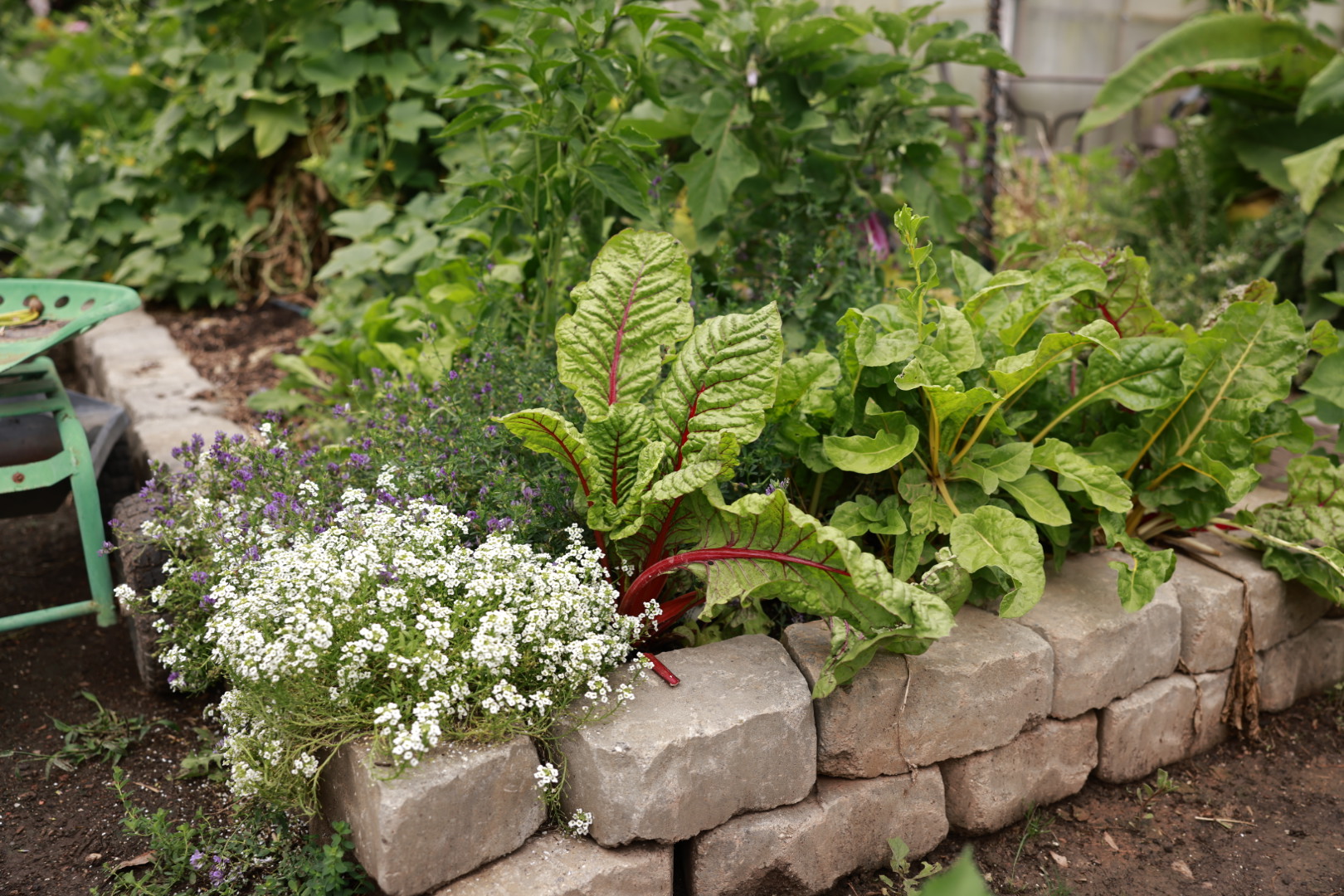
When selecting plants for your fall garden, consider cool-season crops that thrive in lower temperatures. Leafy greens like lettuce, kale, and Swiss chard, as well as root vegetables like carrots, beets, and radishes, are excellent choices for fall planting. These crops can withstand cooler weather and even benefit from the cold to develop sweeter flavors.
Soil management is crucial for a successful fall planting experience. Conduct a soil test to determine its pH levels and nutrient content, and amend the soil as needed to create an optimal growing environment for your plants. Adding a layer of mulch around your plants can help regulate soil temperature, suppress weeds, and retain moisture, promoting healthy growth and higher yields.
As you embark on your fall planting journey, anticipate what to expect as the season progresses. While fall-planted crops may grow more slowly than those planted in spring or summer, they can offer a continuous harvest well into the cooler months. Keep an eye on weather patterns and be prepared to protect your plants from early frosts or sudden temperature changes.
Certain types of plants excel going into winter and can add beauty and interest to your fall garden. Ornamental grasses, winter-blooming flowers, and cold-hardy shrubs can provide visual appeal and structure to your garden throughout the colder months. Additionally, planting cover crops like winter rye or clover can help protect and enrich your soil during the winter while suppressing weeds.
Fall planting presents a wealth of opportunities for gardeners to extend their growing season, boost yields, and enjoy the bounty of the autumn harvest. By following best practices, choosing the right plants, managing your soil effectively, and staying attuned to your garden’s needs, you can create a thriving fall garden that nourishes the body and soul.


 Out Standing In The Garden