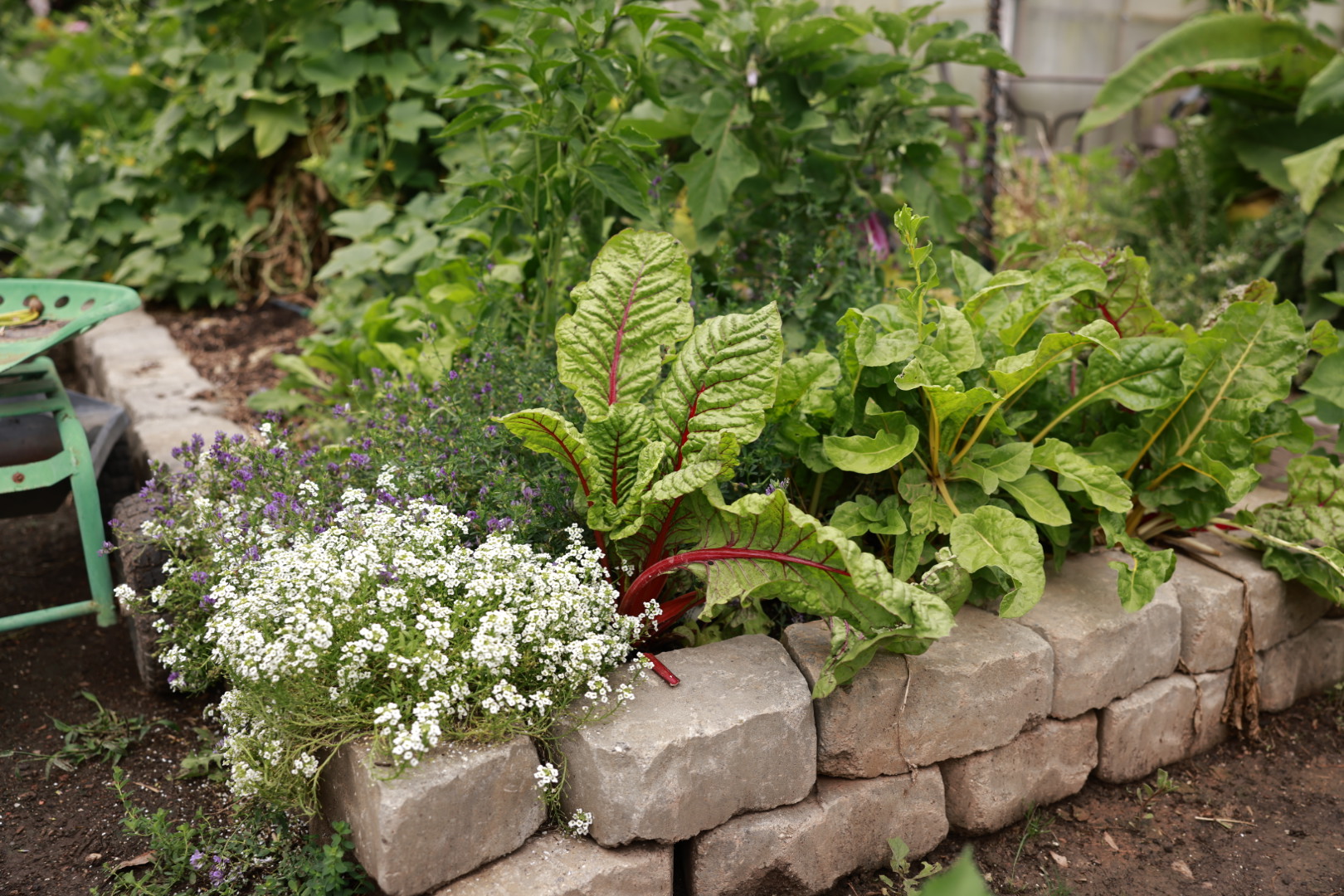
Rooted in Renewal: Setting Goals for a Bountiful Gardening Year

As the new gardening season begins, there’s a palpable sense of hope in the air. The crisp mornings and the faint promise of budding greenery remind us that this is a time for renewal, growth, and fresh possibilities. For gardeners, it’s more than just planting seeds; it’s about planting dreams, nurturing aspirations, and fostering a connection with the earth that keeps us grounded and hopeful.

This year, my focus is on self-sufficiency—taking another step closer to producing more of what my family and I need from our own soil. It’s a goal that excites me, but it also comes with its own challenges. Being self-sufficient requires not only effort and dedication but also a good dose of planning and learning from the past.

One of my big goals this year is to keep better records. If there’s one thing I’ve learned over the years, it’s that a well-documented garden is a productive garden. Harvest times, planting schedules, soil amendments, weather patterns—these details might seem small in the moment, but they hold the key to a more fruitful future. This season, I’m committing to jotting down notes regularly, tracking what works and what doesn’t, and using that information to make next year even better.

But let’s face it, no matter how meticulously we plan, life happens. There will be days when the to-do list feels overwhelming, when unexpected challenges pop up, or when something simply doesn’t get done. And that’s okay. This year, I’m reminding myself not to stress over the unchecked boxes or the occasional misstep. Perfection isn’t the goal—progress is.

Gratitude is a key ingredient in this journey. Instead of focusing on what didn’t go as planned, I want to celebrate what did. The first tomato of the season, the joy of harvesting fresh herbs for dinner, the bees buzzing happily around the blossoms—these moments are treasures that deserve our attention and appreciation. When we garden with a heart full of gratitude, every harvest feels like a victory, no matter how small.

So here’s to a new season filled with promise. Let’s dig our hands into the soil, dream big, and embrace the process with patience and joy. Let’s set goals that inspire us, keep records that guide us, and allow ourselves the grace to stumble and learn along the way. And most importantly, let’s take time to marvel at the miracles that unfold in our gardens and in ourselves as we grow.

May your season be bountiful, your heart light, and your gratitude abundant. Happy gardening!

Leave a comment

Filed under Gardening

Winter Gardening Hacks by USDA Zones

In addition to the general winter gardening hacks, it’s essential to know what specific actions to take in different USDA hardiness zones, as winters vary widely across regions. Here’s a breakdown of key tasks and hacks for both perennial flower gardens and vegetable gardens, tailored for each zone.


Perennial Flower Garden Hacks by USDA Zone:

USDA Zones 3-5 (Cold Climates, Winter Temps -30°F to -20°F)

  1. When: Late Fall (October-November)
    • Mulching: Apply 4-6 inches of mulch to protect tender perennials like roses or peonies from freezing.
    • Protect with Burlap: Set up burlap barriers around shrubs like boxwoods to prevent desiccation from harsh winds.
    • Cover with Snow: Allow snow to accumulate around plants as an insulating blanket. Avoid removing it unless necessary.
    • Winter Watering: Before the ground freezes, water perennials deeply to prevent winter drought.

USDA Zones 6-7 (Mild Winters, Winter Temps 0°F to 10°F)

  1. When: Early Winter (November-December)
    • Mulching: Use a 2-3 inch mulch layer to protect the root systems of perennials, like lavender or coneflowers, from cold snaps.
    • Pruning: Prune woody perennials like hydrangeas in late winter (February-March) to encourage healthy spring growth.
    • Frost Blankets: On nights with freezing temps, cover tender perennials with frost blankets or old sheets to prevent damage.

USDA Zones 8-9 (Warm Winters, Winter Temps 10°F to 30°F)

  1. When: Late Winter (December-February)
    • Mulching: Use lighter mulching materials like pine straw to keep the soil warm, without suffocating the plants.
    • Watering: Continue occasional deep watering, as winter drought can affect growth.
    • Pruning: Early winter is the ideal time to prune roses and other flowering shrubs before they start new growth in spring.

Vegetable Garden Hacks by USDA Zone:

USDA Zones 3-5

  1. When: Late Fall (September-October)
    • Cold Frames & Row Covers: Set up cold frames or low tunnels over crops like spinach, carrots, or kale to extend the growing season into winter.
    • Mulching for Root Vegetables: Insulate root vegetables like parsnips and carrots with a thick layer of straw or leaves to prevent the soil from freezing.
    • Winter-Hardy Crops: Plant hardy crops like garlic, leeks, or winter spinach by late September to ensure they establish before the first hard frost.

USDA Zones 6-7

  1. When: Early Winter (November-December)
    • Cover Crops: Sow winter rye or hairy vetch as cover crops to protect and enrich the soil for spring planting.
    • Low Tunnels: Use low tunnels for crops like broccoli, spinach, and chard. They will continue to grow slowly under cover throughout winter.
    • Succession Planting: Plant winter crops like kale, carrots, and lettuce in October for harvest into early winter, and continue using row covers for protection.

USDA Zones 8-9

  1. When: Late Winter (December-February)
    • Winter Vegetables: Continue growing cool-season crops such as cabbage, peas, and onions without the need for heavy protection.
    • Frost Protection: In occasional frosts, use lightweight row covers to protect sensitive crops.
    • Mulching for Soil Health: Keep the soil covered with mulch, even in mild winters, to retain moisture and prevent weed growth.

Additional Winter Hacks for All Zones:

  1. Use Compost for Extra Heat (All Zones):
    • Build compost piles near garden beds to generate warmth from decomposing organic matter. This can raise temperatures around cold frames or perennial plants.
  2. Winter Greenhouses or Hoop Houses (Zones 3-7):
    • For zones with longer, harsher winters, consider using greenhouses or hoop houses to grow vegetables like spinach, lettuce, and herbs all winter long.
  3. Cloche Protection for Flowers and Veggies (All Zones):
    • Place cloches (glass or plastic domes) over smaller perennial flowers or winter vegetable crops to trap warmth, ideal for all USDA zones.

By focusing on zone-specific timing and protection methods, you can ensure your garden not only survives but thrives through the winter months.

Leave a comment

Filed under Gardening

Time to Gear Up for Fall Gardening

Fall is a magical time of year when nature transforms in preparation for the winter ahead. It’s also an ideal season for gardeners to get their hands dirty and engage in fall planting. But what exactly does planting in fall entail, and how can you make the most of this season in your garden?

When it comes to planting in fall, timing is key. Depending on your region’s climate and frost dates, fall planting typically begins in late summer to early fall. This window of opportunity allows plants to establish strong root systems before winter arrives, setting them up for success in the following growing season.

To ensure a successful fall planting experience, it’s important to adhere to some best practices. Start by preparing your soil by removing debris, aerating the soil, and incorporating organic matter like compost to enrich its fertility. Choosing the right plants for fall planting, such as cold-hardy vegetables, flowering bulbs, and cover crops, can help you maximize your garden’s potential.

One way to increase yields in your fall garden is to implement crop rotation and companion planting techniques. By rotating your crops each season and planting compatible species together, you can deter pests, improve soil health, and optimize space for better productivity. Additionally, practicing proper watering and mulching can help retain moisture and protect plants during fluctuating fall temperatures.

When selecting plants for your fall garden, consider cool-season crops that thrive in lower temperatures. Leafy greens like lettuce, kale, and Swiss chard, as well as root vegetables like carrots, beets, and radishes, are excellent choices for fall planting. These crops can withstand cooler weather and even benefit from the cold to develop sweeter flavors.

Soil management is crucial for a successful fall planting experience. Conduct a soil test to determine its pH levels and nutrient content, and amend the soil as needed to create an optimal growing environment for your plants. Adding a layer of mulch around your plants can help regulate soil temperature, suppress weeds, and retain moisture, promoting healthy growth and higher yields.

As you embark on your fall planting journey, anticipate what to expect as the season progresses. While fall-planted crops may grow more slowly than those planted in spring or summer, they can offer a continuous harvest well into the cooler months. Keep an eye on weather patterns and be prepared to protect your plants from early frosts or sudden temperature changes.

Certain types of plants excel going into winter and can add beauty and interest to your fall garden. Ornamental grasses, winter-blooming flowers, and cold-hardy shrubs can provide visual appeal and structure to your garden throughout the colder months. Additionally, planting cover crops like winter rye or clover can help protect and enrich your soil during the winter while suppressing weeds.

Fall planting presents a wealth of opportunities for gardeners to extend their growing season, boost yields, and enjoy the bounty of the autumn harvest. By following best practices, choosing the right plants, managing your soil effectively, and staying attuned to your garden’s needs, you can create a thriving fall garden that nourishes the body and soul.

Leave a comment

Filed under Gardening

Yarrow Should be in Everyones Garden!

Yarrow, known scientifically as Achillea millefolium, is a versatile and beneficial herb that has been used for centuries for various purposes. This hardy perennial plant can be found growing in many regions around the world, thriving in well-drained soil and full sunlight. Yarrow is known for its feathery leaves and clusters of tiny, delicate flowers that can range in color from white to pink and yellow.

One of the primary benefits of yarrow is its medicinal properties. It has been used in traditional medicine to treat a variety of ailments, including digestive issues, menstrual cramps, and wounds. Yarrow contains active compounds such as flavonoids and sesquiterpene lactones, which have anti-inflammatory and antimicrobial properties. It is also a natural diuretic and can help support the immune system.

In addition to its human health benefits, yarrow can also benefit animals. Some pet owners use yarrow to help treat minor cuts and scrapes on their furry companions. When applied topically, yarrow can help promote wound healing and prevent infection. However, it’s essential to consult with a veterinarian before using yarrow on pets, as some animals may have adverse reactions.

Yarrow is also a valuable herb to have on hand for first aid purposes. Its astringent properties make it useful for stopping bleeding from minor cuts and scrapes. Additionally, yarrow can be used as a poultice to help reduce inflammation and swelling from injuries or insect bites. Some people also use yarrow tinctures or teas to help alleviate symptoms of colds and fevers.

To incorporate yarrow into your daily routine, you can harvest the leaves and flowers and use them fresh or dried. Yarrow tea is a popular way to enjoy the herb’s benefits, whether for internal use or as a skin wash. Yarrow essential oil is another option for topical applications, such as adding a few drops to a carrier oil for a DIY healing salve. Additionally, yarrow can be dried and used in potpourri or sachets to enjoy its aromatic qualities.

Yarrow make an excellent pollinator-friendly plant, attracting beneficial insects such as bees and butterflies to your garden. The flat-topped clusters of tiny flowers provide a rich source of nectar and pollen for pollinators, supporting biodiversity and ecosystem health. By cultivating yarrow in your garden, you not only harness its medicinal and aesthetic benefits but also contribute to creating a thriving habitat for important pollinators essential for plant reproduction and biodiversity conservation.

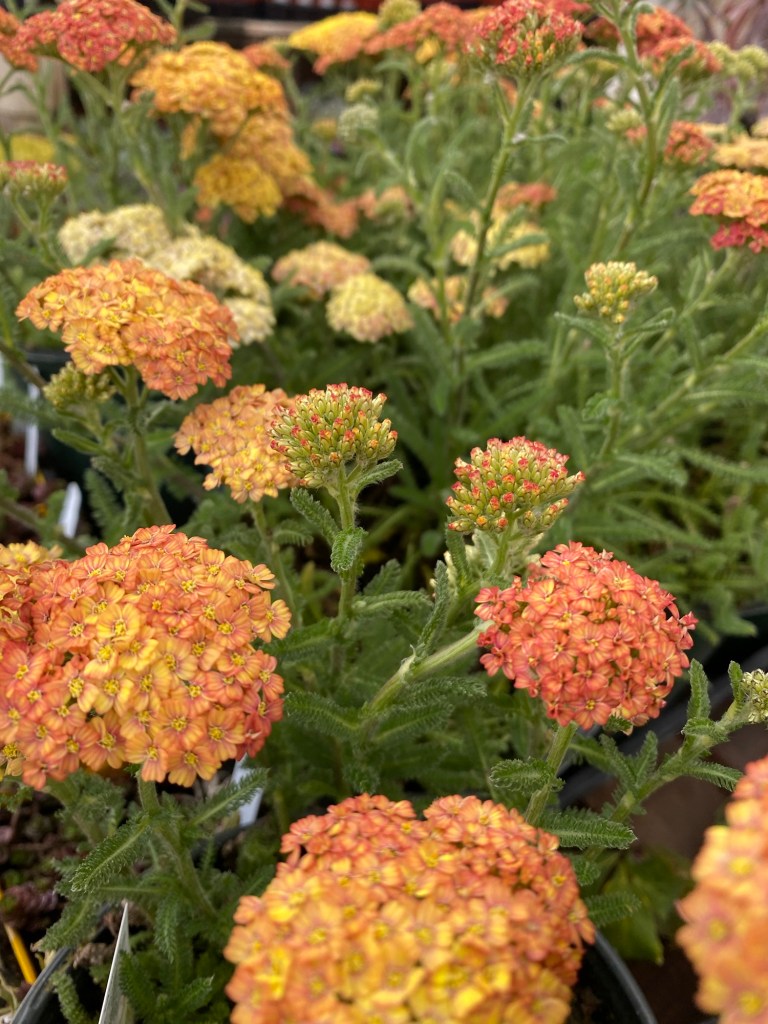
Terra Cotta Yarrow

Yarrow is a versatile herb with a wide range of uses and benefits for both humans and animals. Whether you’re interested in growing yarrow in your garden for its beauty or harvesting it for its medicinal properties, this resilient herb is a valuable addition to any home apothecary. From promoting wound healing to supporting immune health, yarrow has stood the test of time as a natural remedy with numerous applications.

Leave a comment

Filed under Gardening