Daily Archives: March 14, 2026

The Best Companion Plants for Tomatoes (And What to Avoid)

Tomatoes are one of the most popular crops to grow in the garden, but they grow even better when they’re planted with the right neighbors.

Companion planting is the practice of growing plants together that benefit one another. Some plants improve soil health, attract beneficial insects, repel pests, or even improve flavor and productivity.

When you choose the right companions, tomatoes can grow stronger, healthier, and produce better harvests.
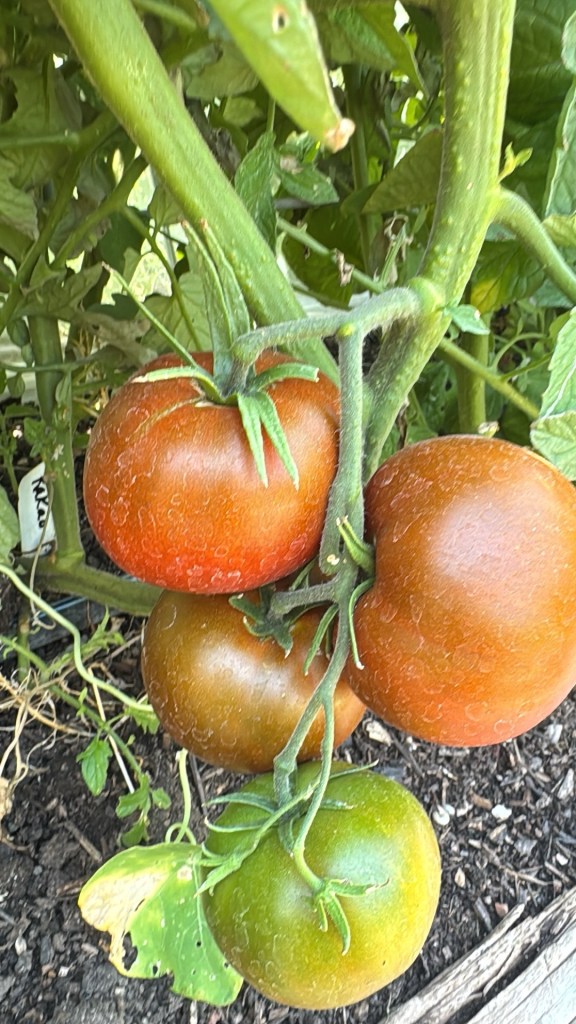
In my latest video, I share my favorite tomatoes to grow every year and how I start them from seed, along with a few growing tips.

Let’s take a deeper look at some of the best companion plants for tomatoes and a few plants you should avoid planting nearby.


Why Companion Planting Helps Tomatoes

Tomatoes are heavy feeders and can be susceptible to pests like aphids, hornworms, and whiteflies. The right companion plants can help create a more balanced garden ecosystem.

Benefits of companion planting include:

• attracting pollinators
• attracting beneficial insects that control pests
• repelling harmful insects
• improving soil health
• maximizing space in the garden

A diverse garden is often a healthier and more productive garden.


Best Companion Plants for Tomatoes

Here are some of the best plants to grow alongside tomatoes.


Basil

Basil and tomatoes are a classic pairing in both the garden and the kitchen.

Basil helps repel pests such as:

• aphids
• whiteflies
• tomato hornworms

It also attracts beneficial insects and pollinators that help support the garden ecosystem.

Many gardeners also believe basil can enhance tomato flavor, although the biggest benefit is pest control and biodiversity.


Borage

Borage is one of the most powerful companion plants you can grow near tomatoes.

It attracts pollinators such as bees and beneficial insects that help control pests. Borage is also believed to help repel tomato hornworms.

Another benefit is that borage adds minerals to the soil as its leaves break down.

Plus, the beautiful blue flowers make the garden more vibrant.


Marigolds

Marigolds are famous for helping control garden pests.

Their roots release compounds that help suppress certain soil pests, including nematodes.

They also help deter insects like:

• aphids
• whiteflies
• beetles

Planting marigolds around tomatoes can help create a natural pest barrier.


Calendula

Calendula is another excellent companion plant that attracts beneficial insects such as:

• ladybugs
• lacewings
• hoverflies

These insects help control pests like aphids and other small insects that can damage tomato plants.

Calendula is also a wonderful medicinal herb, making it a great dual-purpose plant in the garden.


Onions and Garlic

Members of the onion family can help deter pests that bother tomatoes.

Garlic and onions can repel:

• aphids
• spider mites
• certain beetles

They also take up very little space, making them easy to tuck between tomato plants.


Carrots

Carrots make a great companion for tomatoes because they grow underground and don’t compete for the same space.

The carrot roots help loosen soil, which can improve drainage and soil structure around tomato plants.

They’re also a great example of intensive planting, allowing you to grow more food in the same garden space.


Plants to Avoid Near Tomatoes

While many plants benefit tomatoes, a few should be kept away.


Corn

Corn and tomatoes attract many of the same pests, particularly the tomato fruitworm (which is also the corn earworm).

Planting them together can increase pest pressure in the garden.


Fennel

Fennel is known to inhibit the growth of many nearby plants, including tomatoes.

It is best grown in its own section of the garden.


Potatoes

Tomatoes and potatoes are both part of the nightshade family.

Because of this, they share many of the same diseases, including blight.

Planting them close together can increase the chance of disease spreading.


A Healthy Garden Is a Diverse Garden

One of the best things you can do for your garden is increase plant diversity.

When you grow herbs, flowers, and vegetables together, you create a small ecosystem that supports pollinators, beneficial insects, and healthier soil.

Tomatoes thrive when they are part of a balanced and diverse garden system, rather than grown alone.


Tomatoes are already one of the most rewarding crops to grow, but companion planting can make them even more productive.

Adding plants like basil, borage, marigolds, calendula, onions, and carrots can help create a healthier garden while improving pest control and biodiversity.

A garden filled with many different plants is often more resilient, more productive, and more enjoyable to grow.

If you’d like to see the tomato varieties I grow every year and how I start them from seed, be sure to watch the video above.

Happy gardening! 🍅
Leave a comment

Filed under Gardening

Grow More Food in Less Space: The Power of Intensive Planting

If you’ve ever looked at your garden and wished you could grow just a little more food, you’re not alone.

Most gardens are planted using traditional spacing recommendations. Rows are wide, plants are spaced far apart, and a surprising amount of soil ends up exposed.

But there’s another way to grow.

It’s called intensive planting, and it’s one of the most effective ways to produce a lot of food—even in a small space.

This method allows you to grow more vegetables, improve soil health, and reduce weeds, all at the same time.

And the best part? You don’t need more land to do it.


What Is Intensive Planting?

Intensive planting simply means growing plants closer together in a thoughtful way so they work together instead of competing with each other.

Instead of planting in long rows with wide spaces between them, you plant crops in blocks, layers, and combinations that allow you to maximize every inch of soil.

This approach mimics nature much more closely than traditional row gardening.

In nature, plants rarely grow alone. They grow together in communities, helping protect the soil and supporting each other.

When we apply that idea to the garden, something interesting happens:

🌱 The soil stays cooler and holds moisture better
🌱 Weeds have less space to grow
🌱 Pest pressure can decrease
🌱 Yields can increase dramatically


Why Intensive Planting Works So Well

One of the biggest benefits of intensive planting is soil coverage.

Bare soil dries out quickly, loses nutrients, and becomes a perfect place for weeds to take over.

But when plants grow close enough to shade the soil, they create their own little ecosystem.

The leaves act like a living mulch, protecting the soil surface and helping it retain moisture.

This is especially important in hot climates where soil can dry out quickly.

Another benefit is that plants begin to support each other structurally. Tall plants can provide shade for sensitive crops, and sprawling plants can cover soil between larger plants.

When planned correctly, intensive planting can turn a garden into a high-producing system rather than a collection of individual plants.


Crops That Work Especially Well for Intensive Planting

Some crops adapt beautifully to this method.

A few favorites include:

• Lettuce and leafy greens
• Carrots
• Beets
• Bush beans
• Onions
• Radishes
• Spinach
• Herbs

These crops can be planted relatively close together and harvested gradually, allowing space to open as plants mature.

For example, you can plant radishes between slower crops like carrots or cabbage. The radishes will be harvested long before the other plants need the space.

This technique is called interplanting, and it’s a powerful tool for productive gardens.


Vertical Growing Makes Intensive Planting Even Better

Another important piece of intensive gardening is growing upward.

Using trellises, arches, or vertical supports allows you to grow crops like:

• Tomatoes
• Cucumbers
• Peas
• Pole beans
• Melons

When plants grow vertically, they take up less ground space, allowing you to plant additional crops underneath or nearby.

This is one of the easiest ways to dramatically increase the productivity of a garden.


The One Thing Intensive Gardens Need More Of

Because intensive planting produces more crops in the same space, it also means plants will use more nutrients from the soil.

Healthy soil becomes even more important.

Adding compost regularly, feeding plants with organic fertilizers, and maintaining strong soil biology will help keep an intensively planted garden thriving.

When the soil is rich and alive, plants can grow closer together without struggling.


A Garden That Feeds More People

One of my favorite things about intensive planting is how much food it allows you to grow.

With thoughtful planning, even a modest garden can produce an incredible amount of fresh food for your family.

This approach works whether you garden in:

• Raised beds
• Traditional garden plots
• Small backyard gardens
• Homesteads

It’s simply a smarter way to use the space you already have.


Watch the Full Video: How I Grow More Food in the Same Space

If you’d like to see exactly how I use intensive planting in my own garden, I walk through the process step-by-step in this video.

In the video I cover:

✔ How close plants can actually grow
✔ How to combine crops together
✔ Trellis systems that maximize space
✔ Mistakes to avoid when planting intensively
✔ How this method can dramatically increase your harvest

You can watch the full video here:

👉 https://youtu.be/28o_ktKhA8M?si=s8Tdt4MZ0PfGZ8zE

Leave a comment

Filed under Gardening