
Carrots are one of the most rewarding crops you can grow, but they’re also one of the most misunderstood.
A lot of gardeners struggle with:
- poor germination
- forked or misshapen roots
- carrots that just aren’t very sweet
The good news is, carrots are actually very consistent once you understand a few key things — and most of it comes down to soil, moisture, and timing.
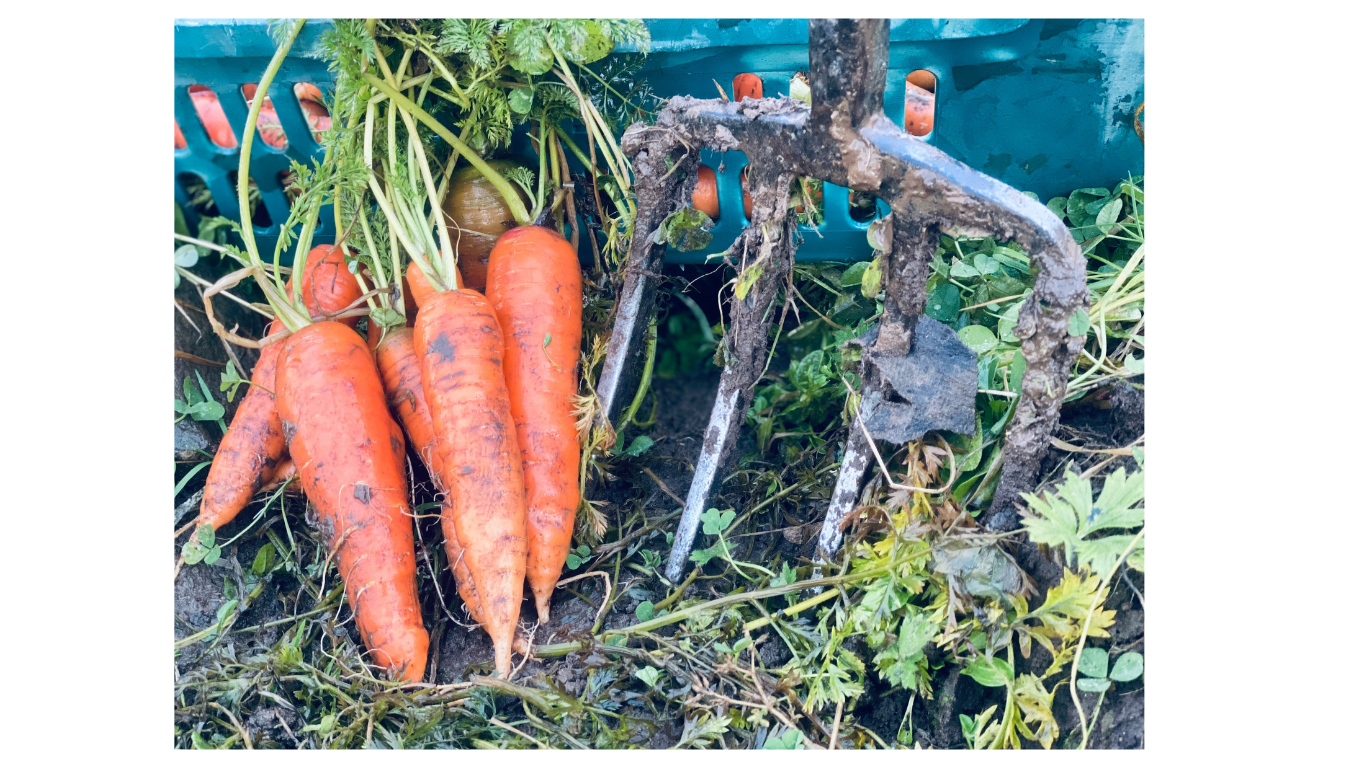
Start With the Right Soil
Carrots are a root crop, so everything happens below the surface.
If the soil is:
- compacted
- rocky
- or uneven
the root will hit resistance and begin to fork or twist instead of growing straight.
What carrots really need is:
- loose soil
- good drainage
- and even texture throughout
Raised beds are ideal for this because they naturally provide that loose structure.
Compost, Manure, and Nitrogen (What to Know)
Carrots do benefit from organic matter, but they don’t need overly rich soil.
Well-finished compost is great because it improves soil structure and supports soil life.
Where problems start is when:
- fresh manure is added
- compost isn’t fully broken down
- or too much nitrogen is present
When soil is too high in nitrogen, carrots tend to grow:
- large leafy tops
- small or branching roots
If you’re using manure, it’s best to:
- compost it first
- or apply it earlier so it has time to break down before planting
The goal is not rich soil — it’s balanced, workable soil.
Soil Temperature Matters More Than Air Temperature
Carrot seeds respond to soil temperature, not air temperature.
They germinate best between:
- 55°F and 75°F
Once soil temperatures get too warm (above about 85°F), germination can become:
- uneven
- slow
- or fail altogether
This is why timing matters. In many climates, carrots do best:
- early in the season
- or planted for a fall harvest
💧 Germination Is Where Most People Struggle
Carrot seeds are small and planted shallow.
If the surface of the soil dries out during germination, the seeds often fail.
To improve success:
- keep the top layer of soil consistently moist
- water lightly as needed
- consider covering the row temporarily to hold moisture
Once carrots germinate, they’re much easier to manage. The challenge is getting them started.
Growing Sweeter Carrots
If you’ve grown carrots that weren’t very sweet, there are a few things that make a difference.
- Cooler growing conditions help develop sugars
- Consistent moisture improves quality
- Balanced soil nutrition is important
Carrots benefit from potassium, which supports root development and flavor.
I like using greensand because it provides potassium along with trace minerals.
Wood ash can also be used in some soils, but in alkaline soils it’s usually not the best option.
🥕 Choose the Right Carrot for Your Soil
Not all carrots grow well in every soil.
If your soil is:
- heavier or more dense → choose shorter varieties like Chantenay or Paris Market
- loose and deep → longer carrots like Nantes or Imperator will do well
Matching the carrot to your soil can make a big difference in your success.
After Germination: Keep It Simple
Once carrots are up and growing:
- thin them so they have space
- keep watering consistent
- avoid over-fertilizing
Adding a light mulch after they’re established can help:
- retain moisture
- keep soil temperatures stable
- improve overall growth
Growing Carrots with Kids (In a Way That Actually Works)
Carrots are a good crop to grow with kids, especially because they can see results fairly quickly once germination happens.
A simple way to involve them without overcomplicating it:
Give them a small section of a bed and let them:
- plant the seeds
- water consistently during germination
- watch for the first sprouts
You can also let them grow different types of carrots — something short, something round, maybe even a different color.
Harvest is usually what hooks them. Since carrots grow underground, there’s a bit of surprise in what comes out.
And even if some are forked or oddly shaped, it turns into part of the learning process rather than a failure.
If you want to see exactly how I plant carrots and what made the biggest difference in germination, I walk through it step-by-step in this video:
🎥 Watch the Full Carrot Planting Method
👉 https://youtu.be/3S_mmMF6RmU
🌱 Final Thoughts
Carrots don’t require complicated techniques.
They require:
- good soil
- consistent moisture
- and the right timing
Once those are in place, they become one of the most reliable crops in the garden.


 Out Standing In The Garden