Category Archives: Gardening

Planting, Growing, Care

The Attack of the Cucumber Beetle!

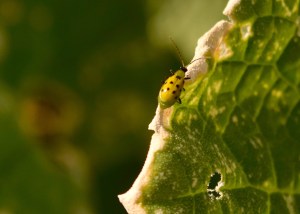
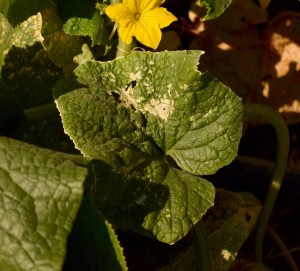
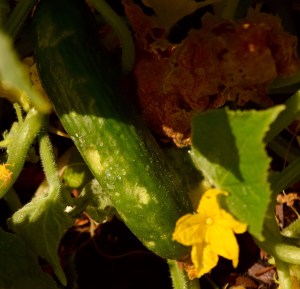
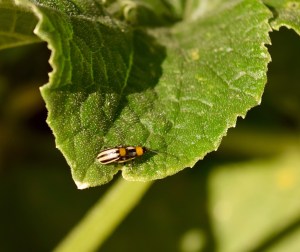
Ugly cucumbers with scars, chewed holes in cucumber plants?  What is going on?  Take a look around your cucumber plants, near the base, in flowers and on the leaves.  You may find this devastating beetle wrecking havoc on your plants and cucumbers ~ The spotted cucumber beetle and striped cucumber beetle.  Melons, summer squash, gourds, winter squash plants and fruits can be affected as well by these little buggars.

Make no mistake!  These are not insects like the likable lady bug you want around.  These disease carrying cucumber beetles will feed on rinds of fruits causing ugliness..aesthetic injury, bacterial wilt, squash mosaic virus, stunting, and even killing young plants.  They become more active as the weather warms, feeding on blossoms, pollen, nectar, fruits and leaves.

Managing these cucumber pest require a bit attention.  Left along they can ruin a entire seasons of harvest.  Pure neem oil sprayed twice a week will slow and eventually stop any further invasion.  Spray in the evening, when the bees have gone, being sure to spray the base of the plant, basically used as a soil drench to treat eggs and larvae.  Persistence, I say!

Try companion planting!  Radishes, calendula, catnip, nasturtiums, rue and tansy all work well.  Marigolds are great, but plant the right kind or you may be attracting them rather than repelling them.  Varieties like African, french or Mexican marigolds are your best bet!

This year we took our overgrown tansy plant and chopped (made a mulch, sorta speak) it up, sprinkled it around the base of our cucumber plants and saw a decline in beetles within a few days. However we still had to treat with neem oil.

Mulching also helps.  Mulching can deter cucumber beetles from laying eggs near the plant stems, in the ground, but this does not deter beetles from feeding on flowers, fruit and leaves.

This year we have planted several different varieties of cucumbers.  Muncher is top of the list of attack, while Marketmore fruits and have not been affected what-so-ever and the leaves are in the best shape.

Okay, with a little more fast knowledge of cucumber beetles and ideas to control them~ Go get um!

1 Comment

Filed under Garden Bugs, Gardening

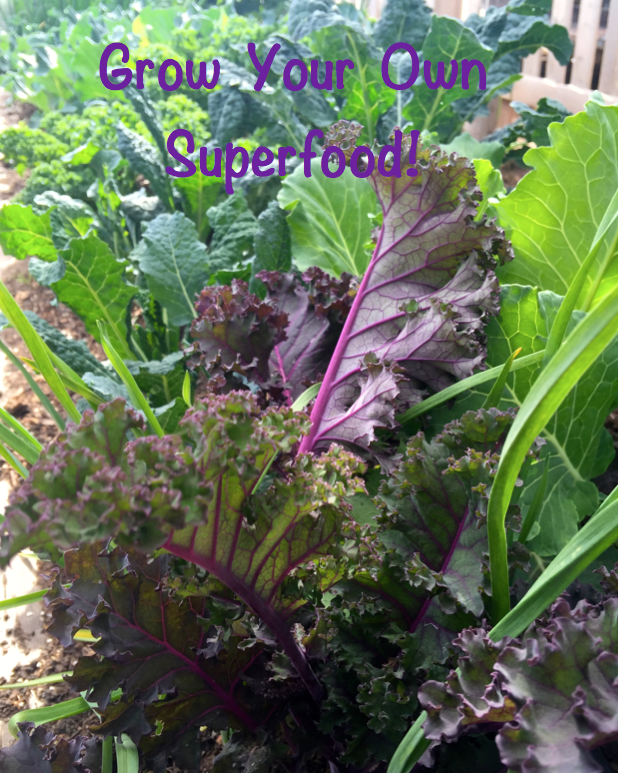
Grow and Eat Kale The Superfood!

Organically Grown Kale

Kale the superfood and superstar!  Why wouldn’t you grow and eat kale?  It’s loaded with vitamin K, omega-3, alpha-linoleic acid, it supports the brain and bones, contains more vitamin C than an orange, plus boosts the body’s natural ability to detox.

I have grown kale for many years for it’s beauty in the flower garden and vegetable beds.  There are so many types of kale you can choose from and make a rainbow of awesome, edible interest.  While this superfood will “kinda” grow in not so great soil, it will grow quicker and healthier if you take a little time to amend the soil.  It also enjoys some sunshine, but will adapt to a semi-shady spot in your garden or yard.  Plus, if you have a windy area that most plants do not tolerate, you can place your hardy kale plants in that environment!  Amend your soil well with plenty of compost and a nitrogen and phosphorous fertilizer such as “Bio-Fish 7-7-2“.  You can sow directly or use transplants.  Seeds can be sown eight to six weeks before your last frost of the season, but even in our hot climate we have had success sowing seeds right through late spring with a little extra moisture.  Thin seedlings to 12-18” apart.   Transplants can be planted out here in February through early summer.  Wait a month if your soil is still below 40 degrees.  If temperatures are going to drop into the low twenties, I simply give them a little protection with a quick covering of a frost blanket until the sun reaches them the next day.  Kale can tolerate frostbite.  Never starve kale of water or it will become bitter.  Kale loves kelp!  Throughout the season, once a month, drench the soil with a kelp solution.  That will be the only food kale should need if your ground was prepared at planting time.  Harvest leaves a baby size for salads or let them mature and pick from the bottom up (larger leaves) if you want continued harvest.   Pick kale with a sharp knife and eat right away. During the summer months, kale will produce somewhat looser and greener leaves.   Don’t have room for kale?  Sure you do!  Grow in a pot or pop a few in your flower bed, they add contrast, color and interest in the background of flower beds or patios.

We grow many kinds of kale for many different uses.  Curly Green kale is probably the most common and seems to work well in most recipes.  It comes in dwarf size plants to plants that reach 3 foot (yes sometimes larger, depending on variety, soil and location).  Curly green kale is great for making kale chips.   Lacinato kale is also known as dinosaur kale.  It is gaining popularity these days. Lacinato can also be used in most recipes that call for kale.  It has a spicy flavor and pairs well with spicy sausage.  Redbor kale, or curly roja kale has been traditionally grown for its ornamental look in the garden, but is just as tasty as other kales.  I feel it it the sweetest of the kales and with its dark ruby hue makes it great in blueberry smoothies.  It is not commonly found in grocery stores.  Red Russian Kale has a red leaf stalk with purple veins.  It’s sweet, tender with a hint of spice.  Russian kale is ideal for Asian dishes with flavors of sesame, soy and ginger.  Add Red Russian kale to your egg dishes and be boosted up all day long!

Kale and Blueberries!  What a healthy combo…

Blueberry Kale Smoothie

1 cup fresh or frozen organic blueberries

1/2 whole milk

1/2 cup packed chopped kale, stems removed

1 T honey or agave nectar

1/2 teaspoon vanilla

1/2 cup ice cubes

Place all ingredients in a blender and blend until smooth.  Serve immediately.  This smoothie is great for your cardiovascular health!  Drink up!

For another great recipe we like go to this link: Roasted Veggies and Kale

Kale was recently added to the “Dirty Dozen” list of vegetables, so it is definitely worth growing your own or buying from a reputable local grower.

1 Comment

Filed under Gardening

Plant Hardy Coneflowers!

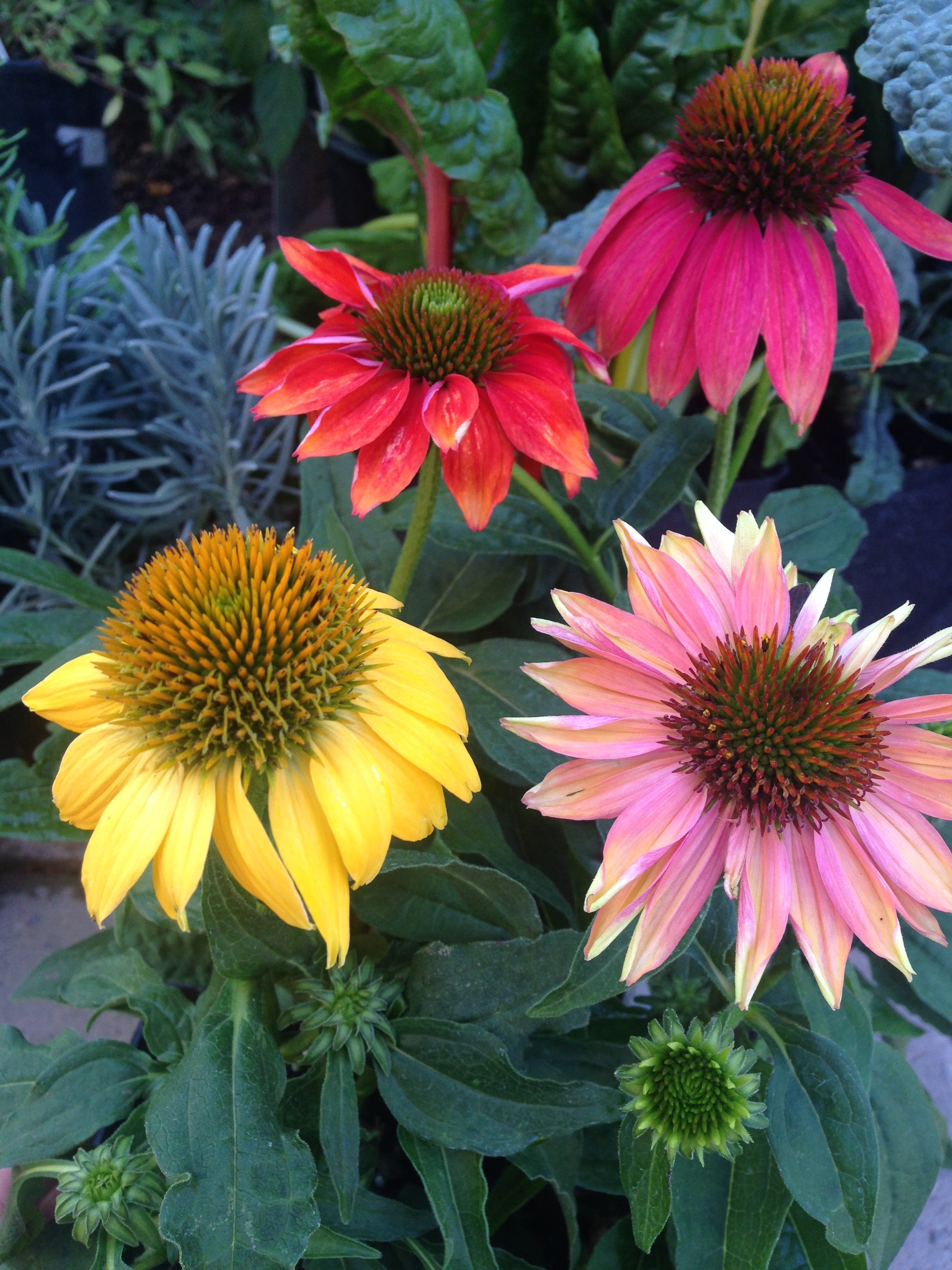
Looking for an outstanding perennial that can withstand heat, drought and still be beautiful Summer through Fall?  Coneflowers (Echinacea) are a long time favorite for as long as I can remember.  When I first started planted Echinacea in my garden purple was the only color to be found and now the array of colors are almost endless.  Yellows, oranges, purples, pinks, magenta, green, whites…Some are even fragrant.  WOW!    The flowers are long lasting as well.

Cheyenne Spirit Echinacea Flowers

Cheyenne Spirit Echinacea Flowers

Coneflowers grow in zones 3-8.  Deer don’t seem to bother coneflowers, but rabbits can be pesky. Self seeding is common with the common purple coneflower, while the hybrid varieties spread better by roots.  Give your coneflowers plenty of sun or they can become spindly and produce small flowers. Plant in a well-drained spot.  If you soil has a tendency to become waterlogged, plant your coneflowers high, giving them a better chance to drain.  Coneflowers don’t like their roots wet for extended periods of time.  Wet roots equals root rot with echinacea.   Here’s a bit of good news!  Coneflowers don’t need rich soil to do well.  In fact a very small amount of fertilizer in early summer just before they set out blossoms is all they need for the season.  Echinacea makes a great statement when planted in groups of five or seven (always odd numbers) or in drifts.  Deadhead spent flower to keep new ones forming.  Late fall I usually leave the last of the flowers/seed-heads for the birds to feast off of during sparse winter months.  They are great for wildlife gardens due to the seed heads they produce.  Cut back the dead foliage (from frost) after birds have harvested all the seeds to one inch above the ground.  Echinacea can be drought tolerant once the roots get established.  This usually take a couple of years, so don’t forget to care for you investment until then! While they are low maintenance…this do not mean not maintenance!

Some of my favorite coneflowers are;  Flame Thrower.  It has a bright, big beautiful flower that really makes a statement. Hot Papaya for its unusual fluffy center and brilliant pink color. Cheyenne Spirit for its fabulous array of colors that can form on one plant.  Yellow, deep orange, bright orange and other autumn shades.

Great companion plants for echinacea are grasses, bee balms, anise hyssop or rudbeckias.  These all look great together and have the same water and fertilizer needs making your job easier!

Leave a comment

Filed under Gardening

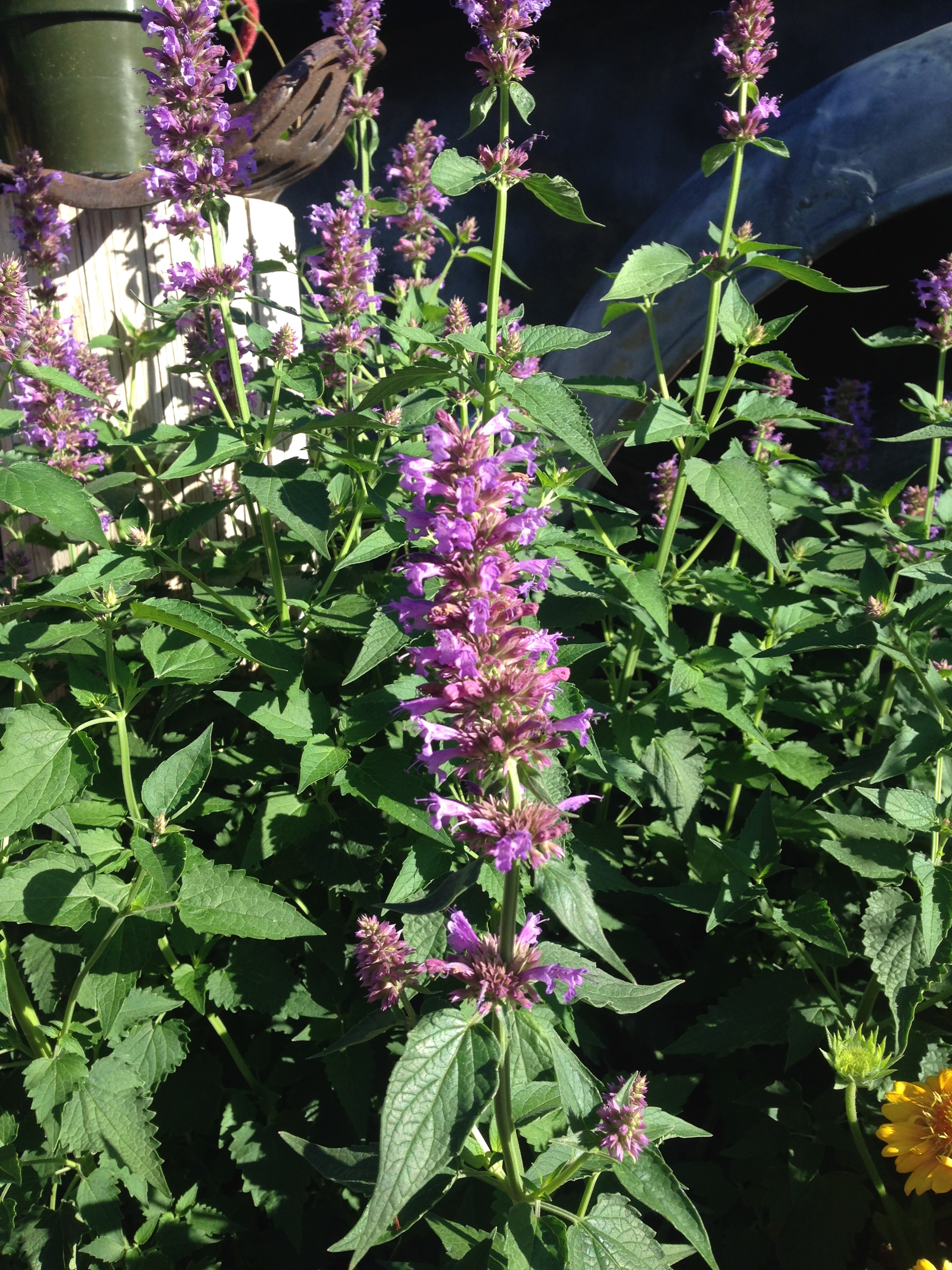
Anise Hyssop

Growing & Using Anise Hyssop

Anise Hyssop Flowering

It’s Fall!  Well not technically, but around here when the monsoons come in and the temps cool just a little and mornings are crisp, I know it’s time to start planting fall crops, whether it be vegetables, herbs, annual or perennial flowers.  Anise hyssop is first on my list.  It’s a member of Agastache genus and is a favorite herb to attract hummingbirds. But more than that it’s a great mosquito repellant plant (perfect for fall monsoon weather).  Bees love Anise Hyssop!  I see bees hover over its flowers more than any other herb in the garden.  Any help with pollination in the garden these days…I’m on it!

Agastache (Anise Hyssop) comes in a variety of colors from purple-blue to the ornamental varieties coral, apricot and pink.  Culinary Anise Hyssop makes a delicious tea.  The leaves and blossoms can both be used and they have the fragrance of anise.  Add the leafy stem to flavor a pitcher of water.  Scatter the blossoms over a cooked vegetable like beets, or a plate of slice peaches.  Add color to a lettuce salad.  Be creative.

Anise Hyssop is a very showy plant, blooming from June to September.  Giving a bit of care by deadheading will insure larger blooms for a longer duration.  Some plants will reach 32 inches tall or taller and they make a great accent in the background of herb or perennial beds.  Once established, Anise Hyssop is very drought tolerant and most varieties are hardy to -20 degrees Fahrenheit. This plant is a winner in my book because it’s soil needs are minimal.  Good soil drainage and a little compost upon planting is all it seems to need.  A great plant for dry-land gardeners.  You can also divide in the early spring with ease.

Anise Hyssop Tea: Bruise a small handful of leaves by crumpling them in your hand, then add to a teapot, pour boiling water over the leaves, cover the pot and let it steep for 10 minutes. Easy as tea!

Leave a comment

Filed under Bees, Flower Gardens, Gardening, Herbs