
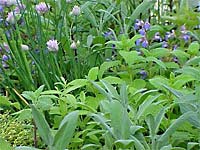
 In nature, where plants grow without the ground being worked, there is always a mixture of plant types growing in an area that are happy in there habitat. The type of plants living in an area depends on the soil type and climatic conditions . Most plants that grow together in the wild are mutually beneficial in that they allow for maximum light utilization, moisture and soil conditions. This is what we call companion planting. Plants have a beneficial effect on different garden plants because of some peculiar characteristic of their growth, scent, or root formation and soil demands. Some plants that have strong orders, including those with aromatic oils, play a role in determining just which insects visit the garden. While some plants repel, they can also hinder the growth rate of other plants or otherwise adversely affect them. I have seen good results and not so good. Yes, tomatoes like carrots, but you do sacrifice a little bit in the size of your carrots due to the shading that tomatoes cause. I don’t mind because I like tomatoes more and I like baby carrots better! I have listed some things that grow well together.
- Basil: Tomatoes (improves growth and flavor)
- Bean: Potatoes, carrots, cucumber, summer savory
- Beets: Onions, kohlrabi
- Borage: Tomatoes (improves flavor & growth, deters tomato worm, attracts bees) squash, strawberries
- Carrots: Peas, lettuce, chives, onions, leeks, rosemary, sage, tomatoes
- Chive: Radishes
- Chervil: Radishes (improves growth & flavor)
- Dill: Cabbage (improves growth & health), carrots
- Flax: Carrots & potatoes
- Fennel: Most plants seem to dislike it.
- Garlic: Roses & raspberries (deters Japanese beetle), plant liberally throughout garden to deter pests
- Horseradish: Potatoes (deters potato beetle)
- Hyssop: Cabbage (deters cabbage moths) grapes
- Lemon Balm: Here and there in the garden
- Marigold: Keeps soil free of nematodes, discourages many insects. Plant freely in the garden.
- Pea: Squash
- Petunia: Protects beans, beneficial throughout the garden
- Nasturtium: Deters aphids
- Rosemary: Carrots, beans, cabbage, sage
- Summer Savory: Beans, onions, deters bean beetles
- Tansy: Plant under fruit trees, deters ants squash bugs
- Thyme: Plant throughout the garden
- Wormwood: As a border, keeps animals out of the garden
- Yarrow: Plant along borders, near paths, enhances essential oils in production of herbs.
Not only do these plants improve the growing, flavor and overall health, they also give your garden interest and character. Don’t forget to add to your garden journal which plants thrived and which, not so much.



 Out Standing In The Garden