Category Archives: Gardening

Planting, Growing, Care

Growing Organic Cauliflower

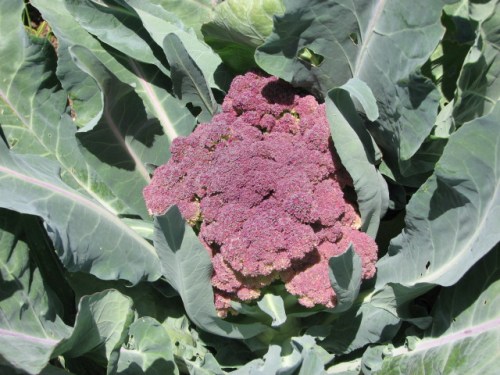
IMG_0165

Purple of Sicily Cauliflower

Cauliflower can be challenging to grow in our area, but can be done easily with a few essential steps.

When cauliflower does not form a head, it could have been exposed to extreme cold temperatures, to little water, old transplants, to hot of temperatures or little sunlight.

Most people will plant cauliflower at the same time as cabbage and broccoli, but it is more sensitive to chilly conditions, so planting just a little later by two to three weeks is generally enough to get past the “danger” zone.  While cauliflower can withstand freezing temperatures, anything below 25 degrees seems to cause withering and damage to the plant. 

Plant cauliflower where it will get plenty of sunshine.  At least eight hours a day and in hotter climates, afternoon sun would be best.

Planting direct sow seed is easily done and ensures you get a plant that hasn’t set in its transplant pot to long.  We generally start seeds right into the ground around February 15th (zone 8) in well-amended and fertilized soil. Once seeds have germinated, we thin to one foot to 16′ apart.  If very cold or snowy weather moves in we cover with a frost blanket to protect our babies from and damage from extreme frost.  Be sure to give the frost blanket support so it does not crush or break the new little stems.

Transplants can work well as long as they are not old and root bound.  Older plants tend to be stressed and do not perform as well as actively growing seedlings.  Look for young and tender transplants.  While you certainly will need to be more careful, it will be well worth it!  Harden plants carefully by gradually increasing cold before transplanting out, especially if the transplants were purchase right out of a greenhouse.  Plant cauliflower transplant into well-amended soil, dig a hole slightly deeper than the plants exciting soil level, add a tablespoon of organic fertilizer, cover hole and slightly firm in plant.  Water.  Keep moist.

Watering is critical!  Cauliflower does not produce well, if at all in dry soil.  Keep moist from the time it goes into the ground, until you cut the head!

Blanching.  When you start to see a small head forming through the leaves it’s time to “blanch” your cauliflower.  Gather the outer leaves and fold over the to the center.  This generally breaks the vein a bit, but it still remains viable.  This would be my lazy gardner method!  Or you can tie up with a string or rubber band.  This prevents yellowing of the curd from sunlight.  The flavor is better, it looks beuatiful and the overall quality of the cauliflower head is better.

Harvest head while they still remain tight. There are so many fun types of cauliflower to grow and come in purple, green, yellow, and of course white.  Enjoy them all!


Leave a comment

Filed under Gardening

Getting More Vegetables into Your Diet

January!  It’s the time of year to start fresh.  Eat better, plan and make goals.  While planning your garden this year, make room for some of the veggies listed below to increase your intake of healthy ingredients easily.  This helps those who have kids that are persnickety about eating their veggies as well.

  • Make your own dips with pureed vegetable and legumes to low-fat yogurt or Greek yogurt.  Add an addition kick by adding herbs and spices.
  • Making a nutty cake?  Try adding grated pumpkin, carrot or zucchini.
  • Using romaine lettuce or butterhead lettuce leaves instead of bread to make wraps and soft spring rolls.
  • Top pizza with chopped vegetables like grilled peppers, thinly sliced squash, zucchini or eggplant.
  • Add finely sliced or diced onions and tomatoes to toasted cheese sandwiches.
  • Add peas, corn (GMO free) or carrots to any soup.  Puree if kids have a resistance to veggies.  This way they don’t know it’s there!
  • Smaller slices, dices or pureeing change the flavor of many vegetables when adding to other ingredients.
  • As an alternative to nuts, roast cooked chickpeas or kidney beans until crisp and east as a fat free snack.
  • Include at least two vegetables in your lunchtime sandwich.

Include plenty of vegetables of different colors in your diet.  The phytochemical compounds that give vegetables their characteristic color provide significant health benefits.  My mother always said eat a rainbow of vegetables!

Grow some of these veggies in your garden this year and get a few more veggies in your diet plus sunshine and exercise!  Now that’s a New Years Resolution made easy!


Leave a comment

Filed under Gardening

Tending to Garlic Crops During Winter Months

You planted you garlic last fall and now what?

Most garlic planted in the fall should be at least sprouted and has developed a root system.  Ours will vary from variety to variety.  Some have leaves as tall as 8 inches, while others are just emerging from the soil level.   Winter temperatures will also affect the growth of garlic.

During the winter months garlic is slow growing and will still require water and some fertilization.  Garlic can survive with virtually no water, but to produce a nice size bulb, water is essential.  We let the surface (top 1″) of our soil dry out before watering.  Our soil is a nice loam and holds water fairly well.  Watering will depend on rainfall and soil types.  Garlic is fairly short rooted, but watering only with surface will only starve garlic from water.  Watering to the depth of 2 foot will be ample.  Soil should stay moist, but not saturated or possible rot can occur.  Drought stress delays bulb formation as well as produce smaller bulbs.  As longer days come around and they begin to warm up, watering chores should increase.   Keep it simple!  Water garlic like other vegetable crops.  When harvest time approaches, soil can be allowed to dry out for harvest, but then and only then.

When garlic was planted, hopefully you amended your soil well with compost and fertilizer.  Timing is everything when fertilizing.  Late fertilizing can delay bulb formation and decrease yields, and producing a garlic bulb that does not keep well.  We fertilize with blood meal organic fertilizer (nitrogen fertilizer) in mid-February when the garlic leaves start to actively grow.  In some regions, the growth may not come until March, April or May, so fertilizing later will be necessary.  Watch your garlic!  We sprinkle the blood meal along side the garlic and cover with a thin layer of compost.  Every six weeks thereafter we spray the leaves with liquid kelp until a month before harvest.

Mulching garlic moderates temperature, moisture and suppresses weeds.  Layer 2-6″ of organic matter such as straw, leaves or lawn clippings.  The colder the climate, the thicker the mulch should be.  I use 2″ of rough compost or a soil conditioner once the garlic begins to emerge from the soil.  Wood chips are not a preferred choice of mine because they rob your soil of nitrogen, which is what your garlic needs.  Mulching can be done at planting time and/or throughout the growing season.  Strong winds in our area blow away mulch, so mulching a few times a year work best for us, watering afterword’s can help hold mulch placement, especially if we have a freeze.  If using straw or other lofty mulch, it may need to be removed once temperatures are not longer freezing to help the soil warm and keep hiding places for pests down.

Weeds!  Grow weeds or grow garlic.  Garlic likes its own space and weeds should not be allowed to grow.  Pull weeds early when young and avoid

hoeing as you can damage bulbs.  There is nothing more to say about that!

Straight forward winter garlic care ~ Water when needed, but don’t overwater, fertilize once growth begins in late winter or early spring with blood meal, fertilize with liquid kelp every six weeks thereafter, mulch and keep weeds out!  Come summer, you’ll have the best harvest ever!

dsc_0006.jpg

Early Turban Garlic


Leave a comment

Filed under Gardening

The Attack of the Cucumber Beetle!

Ugly cucumbers with scars, chewed holes in cucumber plants?  What is going on?  Take a look around your cucumber plants, near the base, in flowers and on the leaves.  You may find this devastating beetle wrecking havoc on your plants and cucumbers ~ The spotted cucumber beetle and striped cucumber beetle.  Melons, summer squash, gourds, winter squash plants and fruits can be affected as well by these little buggars.

Make no mistake!  These are not insects like the likable lady bug you want around.  These disease carrying cucumber beetles will feed on rinds of fruits causing ugliness..aesthetic injury, bacterial wilt, squash mosaic virus, stunting, and even killing young plants.  They become more active as the weather warms, feeding on blossoms, pollen, nectar, fruits and leaves.

Managing these cucumber pest require a bit attention.  Left along they can ruin a entire seasons of harvest.  Pure neem oil sprayed twice a week will slow and eventually stop any further invasion.  Spray in the evening, when the bees have gone, being sure to spray the base of the plant, basically used as a soil drench to treat eggs and larvae.  Persistence, I say!

Try companion planting!  Radishes, calendula, catnip, nasturtiums, rue and tansy all work well.  Marigolds are great, but plant the right kind or you may be attracting them rather than repelling them.  Varieties like African, french or Mexican marigolds are your best bet!

This year we took our overgrown tansy plant and chopped (made a mulch, sorta speak) it up, sprinkled it around the base of our cucumber plants and saw a decline in beetles within a few days. However we still had to treat with neem oil.

Mulching also helps.  Mulching can deter cucumber beetles from laying eggs near the plant stems, in the ground, but this does not deter beetles from feeding on flowers, fruit and leaves.

This year we have planted several different varieties of cucumbers.  Muncher is top of the list of attack, while Marketmore fruits and have not been affected what-so-ever and the leaves are in the best shape.

Okay, with a little more fast knowledge of cucumber beetles and ideas to control them~ Go get um!

1 Comment

Filed under Garden Bugs, Gardening