Garden Sorrel is More Than a Tangy Green!

Sorrel, a lesser-known perennial vegetable, offers an array of benefits that make it a valuable addition to any garden or farm. Known for its tangy, lemony flavor, sorrel is not only a culinary delight but also a nutritious powerhouse. Rich in vitamin C, antioxidants, and minerals, sorrel provides a refreshing burst of nutrients for both humans and animals. Its high vitamin C content makes it an excellent choice for supporting immune health while its antioxidant properties help combat inflammation.

In addition to its health benefits for humans, sorrel can also play a role in supporting the well-being of farm animals. When included in their diet, sorrel can help cool animals during hot summer months due to its natural cooling properties. By consuming sorrel, animals can stay hydrated and maintain their body temperature more effectively, reducing the risk of heat stress. This makes sorrel a valuable asset for livestock owners looking to keep their animals healthy and comfortable during warmer seasons. I will cut 4 or 5 leaves daily and feed our goats during the summer months and toss a handful into the coop for my chicky girls.

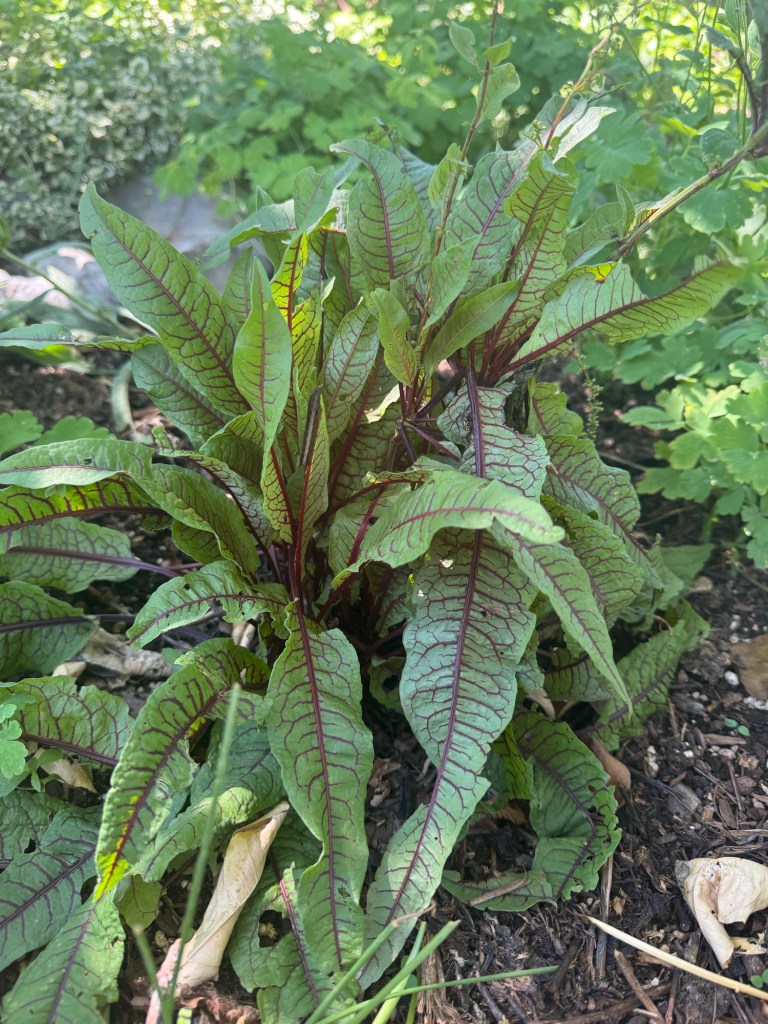
From a gardening perspective, sorrel serves as a versatile and low-maintenance plant that can thrive in various conditions. When grown in well-draining soil and provided with adequate sunlight, sorrel can flourish in both garden beds and containers. Its perennial nature means that once established, sorrel can provide a continuous harvest year after year, requiring minimal effort on the part of the gardener. This makes sorrel an attractive option for those looking to cultivate a sustainable garden that yields fresh produce with little intervention. Red sorrel is beautiful in flower beds, adding texture color and a little more food tucked here and there.

Whether consumed fresh in salads, soups, or sauces, sorrel adds a unique tangy flavor to dishes that sets it apart from traditional leafy greens. Its culinary versatility makes it a favorite among chefs and home cooks alike, offering a creative twist to various recipes. Incorporating sorrel into culinary creations not only enhances the flavor profile but also provides a nutritious boost to meals.

Sorrel stands out as a multifaceted plant with benefits that extend beyond the garden. Its nutritional value, cooling properties for animals, and culinary appeal make it a valuable asset for anyone seeking to enhance their garden, support animal health, and savor the unique flavors it offers. By exploring the diverse ways in which sorrel can enrich our lives, both in the kitchen and the farmyard, we can truly appreciate the versatility and benefits of this underrated perennial vegetable.

Leave a comment

Filed under Gardening

Tomatillo Time!

We love salsa verde in almost all of our Mexican dishes! Enchiladas, tamales, or just as a salsa for chips.

This time of year the tomatillos are productive as can be and using them up, storing for winter use with this recipe is a real treat that I know you’ll love. You can half or even quarter this recipe and really, you can change it up for the amounts you have and it’ll turn out great!

Tomatillos

Tangy Tomatillo Salsa Verde Recipe:

6 lbs tomatillos

2 cups finely chopped yellow onion

1 green bell pepper

1/4 cup pickling salt

5-8 cloves of garlic, minced finely

2 cups apple cider vinegar

3 tablespoons organic sugard

2 tsp ground cumin

Pull off tomatillo husks and rinse under cool water to remove the sticky coating and dice. Add onions, peppers and salt in a bowl to mix. Line a colander with a fine cheesecloth and toss in the vegetables and let rest in the cheesecloth for about an hour. This removes the excess water from the veggies.

Draining

After resting, rinse the vegetables under cool water. Gather up the edges of the cheesecloth and squeeze out the excess liquid.

Place into a heavy bottom pot and add garlic, vinegar, sugar and cumin. Bring to a boil over medium high heat, stirring frequently. Lower heat and continue to cook for about 5 minutes until tomatillos have softened. Remove from heat.

Cooking down

Use or bottle at this point.

For bottling, ladle into 6 pint jars, leaving a 1/2″ head space. Use a wooden skewers to run around the edge of jar to remove air bubbles. Process in a boiling water bath canner for 15 minutes.

Date, label and enjoy anytime with any Mexican dishes! Enjoy!

Leave a comment

Filed under Gardening

Preserving Cherries for Winter Use

Fresh cherries are a beloved summer fruit cherished for their juicy sweetness and vibrant color. But as the season comes to an end, one way to enjoy this delightful fruit all year round is by preserving them for winter storage. Here are several methods you can try to savor the taste of cherries long after summer has passed.

One popular way to preserve cherries is by freezing them. Start by washing and pitting the cherries, then spread them out on a baking sheet to freeze individually. Once frozen, transfer them into airtight containers or freezer bags. Frozen cherries are perfect for smoothies, baking, or simply enjoying as a frozen treat.

Another method to preserve cherries is by canning them. This process involves simmering the cherries in a sugar syrup and packing them into sterilized jars. With proper canning techniques, canned cherries can last for months in your pantry. They can be used in pies, tarts, or as a topping for desserts like ice cream or yogurt.

Dried cherries are a delicious and convenient way to enjoy cherries during the winter months. To dry cherries, pit them and then dehydrate them in a food dehydrator or in the oven at a low temperature. Dried cherries are a great snack on their own, or they can be added to granola, salads, or baked goods for a burst of flavor.

For those who enjoy making jams and preserves, cherry jam is a wonderful way to capture the essence of fresh cherries. Combine pitted cherries with sugar, lemon juice, and pectin, then cook until thickened. Pour the jam into sterilized jars and process them in a water bath to seal. Cherry jam is perfect for spreading on toast, biscuits, or as a filling for pastries.

To enhance your summer lemonade with a burst of cherry flavor, consider making cherry juice. Start by pitting fresh cherries and blending them with a bit of water until smooth. Strain the mixture through a fine-mesh sieve or cheesecloth to extract the juice, discarding any pulp and solids. Mix the cherry juice into your homemade lemonade for a refreshing and vibrant twist. The combination of tart lemon and sweet cherry creates a delightful balance of flavors that is sure to impress your taste buds on a hot summer day. Enjoy this cherry-infused lemonade as a refreshing beverage for picnics, barbecues, or simply to cool off during the warm weather.

If you’re looking for a unique way to preserve cherries, consider making cherry liqueur. Simply pack pitted cherries into a jar, cover them with sugar, and pour in enough liquor like brandy or vodka to cover the fruit completely. Let the mixture sit in a cool, dark place for a few weeks to infuse. Cherry liqueur can be enjoyed on its own or used in cocktails and desserts.

Lastly, pickled cherries offer a delightful combination of sweet and tangy flavors that can elevate your winter dishes. To make pickled cherries, pack pitted cherries into sterilized jars with a mixture of vinegar, sugar, and spices like cinnamon and cloves. Allow the flavors to meld together for a few days before enjoying them as a condiment for cheese platters, salads, or even as a unique topping for savory dishes.

In conclusion, cherries can be preserved in a variety of ways to enjoy their delicious flavor throughout the winter months. Whether you prefer frozen, canned, dried, jammed, infused, or pickled cherries, there is a method that suits your taste and culinary preferences. Experiment with different preservation techniques to find your favorite way to savor the taste of cherries all year long.

Leave a comment

Filed under Gardening

Roasted Smashed Potatoes

It’s late summer and the potatoes were harvested this week and are in the cool room laying flat to cure. These potatoes will be moved into storage in another week for winter long term storage. These fresh potatoes make the best roasted potatoes and is simple and tasty. You can use potatoes that have been cured for this and they are yummy, but these low starch potatoes are a treat!

Potatoes that haven’t cured completely do not have the starches that a freshly harvested potato or even early summer new baby potatoes.

Here is our recipe that is so tasty you’ll want to make it often!

Roasted Smashed Potato

Preheat oven to 425°

Boil in water with a bit of sea salt small or fingerling potatoes till fork tender.

Lay out on a baking sheet and cool slightly, smash with the back of a measure cup. Potatoes should smash easily.

Sprinkle with sea salt, pepper and drizzle with olive oil (avocado and grape seed oil work great too) and bake about 40 minutes or until edges are crispy. We like ours extra crispy and dark golden colored.

Meanwhile mix together vinagerette.

2 T whole grain mustard

2 T sherry vinegar

2 T olive oil *optional. We use it sometimes and sometimes not. Both ways really good!

2-5 garlic cloves minced or run through a press

2 T finely chopped chives

Once the potatoes are roasted to your liking, dish up, drizzle with vinaigrette and serve hot!

ENJOY!

Leave a comment

Filed under Gardening