Category Archives: Gardening

Planting, Growing, Care

Planning Your Garden For the New Season

I love the beginning of January because the garden doesn’t require too much work, the days are colder (typically) which makes it easier for me to stay inside and work on planning my garden for the year.  I love picking out the seeds  I am going to grow for the entire year.  Usually I choose to many for my space as does most avid gardeners.  We will probably never learn!  There are always several new varieties I just can’t resist or wait to put into the soil and try.  As always, some will become favorites and some will probably be put on the “notty” list. 

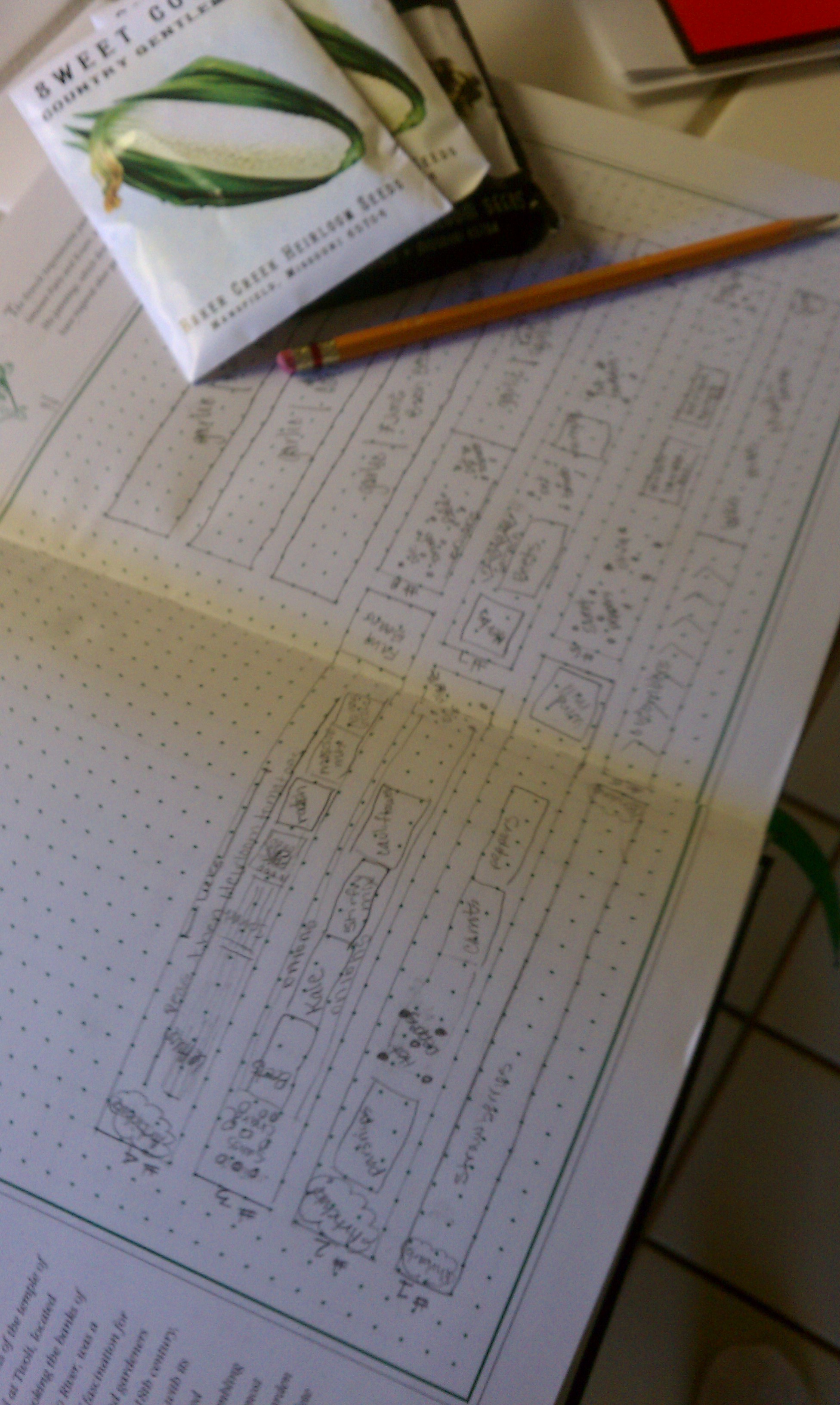
I always start out with a diagram of my garden including measurements.  I use grid paper and a pencil.  I then look at last years garden design and see what I grow where and make sure I don’t grow the same crop in the same place as I did the year before.  If you are just starting a new garden, you won’t have to worry about this, this year!  Then I take inventory of my seeds & plants I will be growing for the entire year, Spring, Summer & Fall.  If I like a design that I used last year then I will use it, If not, time for a new adventure. Just so you know, I have never used the exact same plan.  Being a seasoned gardener I know which are companion plants (plants that grow well together) and I try to group these together while keeping the enemies away.  If you are new to gardening, I suggest you look up companion plants.   Know the planting times of each crop you grow.  Most of these are easily found on the back of the seed packet.  Plant wisely!  Always try something new!  If you are planting lettuce in the Spring, once it’s gone you can plant a late crop of corn, bush beans or a fall crop like garlic in its place.  I never have an empty space in my garden for very long.  I have raised beds that are three-foot wide.   One of my beds for example has a sturdy trellis on the back side which I will be growing vine peas up it and in front I will be growing shorter crops that won’t shade out the peas like lettuce, spinach, baby bok choy, radishes.  These crops will be gone in my area around the first of June.  At this time I will pop in some late tomatoes along the trellis and carrots and beets in the front.  Another example is where I grow my garlic.   It stays in the ground from October till mid to late June and I amend the soil with compost and nitrogen and plant corn in its place.  In years past I have done large areas of certain crops in my long raised beds, but this year I will be growing in smaller 3-4 foot sections so I can have a bigger variety of veggies, just not as many of each type.  I like to keep taller plants in the back and shorter ones in the front.  experiment!  Have fun and record you work!

Don’t forget to add some flowers to your garden.  A few popped in here and there will add color, attract beneficials, and add interest.  Herbs are another item you will want to add to your garden.  You will always see basil growing near the tomatoes because they do so well together.  At some ends of my beds I have small perennial herbs.  It’s nice to have your own “fresh” herbs whenever you need them.

Another thing to think about is your soil.  If you have heavy compacted soil in one area and loamy soil in another, you may want to plant your root crops in the loamy soil so the root crop won’t have to struggle as much.  With time your heavy clay soil, with some amending will become nice and loamy as well.

I have several perennials in my garden like artichoke, horseradish and rhubarb.  It’s a good idea to place them on the end or corners of your beds or rows so when you till the earth you don’t disturb them.  Remember to plant things further away from these larger crops so they don’t shade out your annual veggies and flowers.

When you have an abundance of veggies and you don’t have the room to plant them, Think about adding some to your flower beds or in pots near the patio or porch.  I love to add pepper and eggplants to my flower beds.  Tuscan Kale is absolutely beautiful in the back of flower beds.  This is called “edible gardening”.  Be adventurous and inventive.  Try something new and unheard of.  That is what a true gardener does!

Organic Seeds

Leave a comment

Filed under Gardening

Long Winter’s Nap, Not So Long

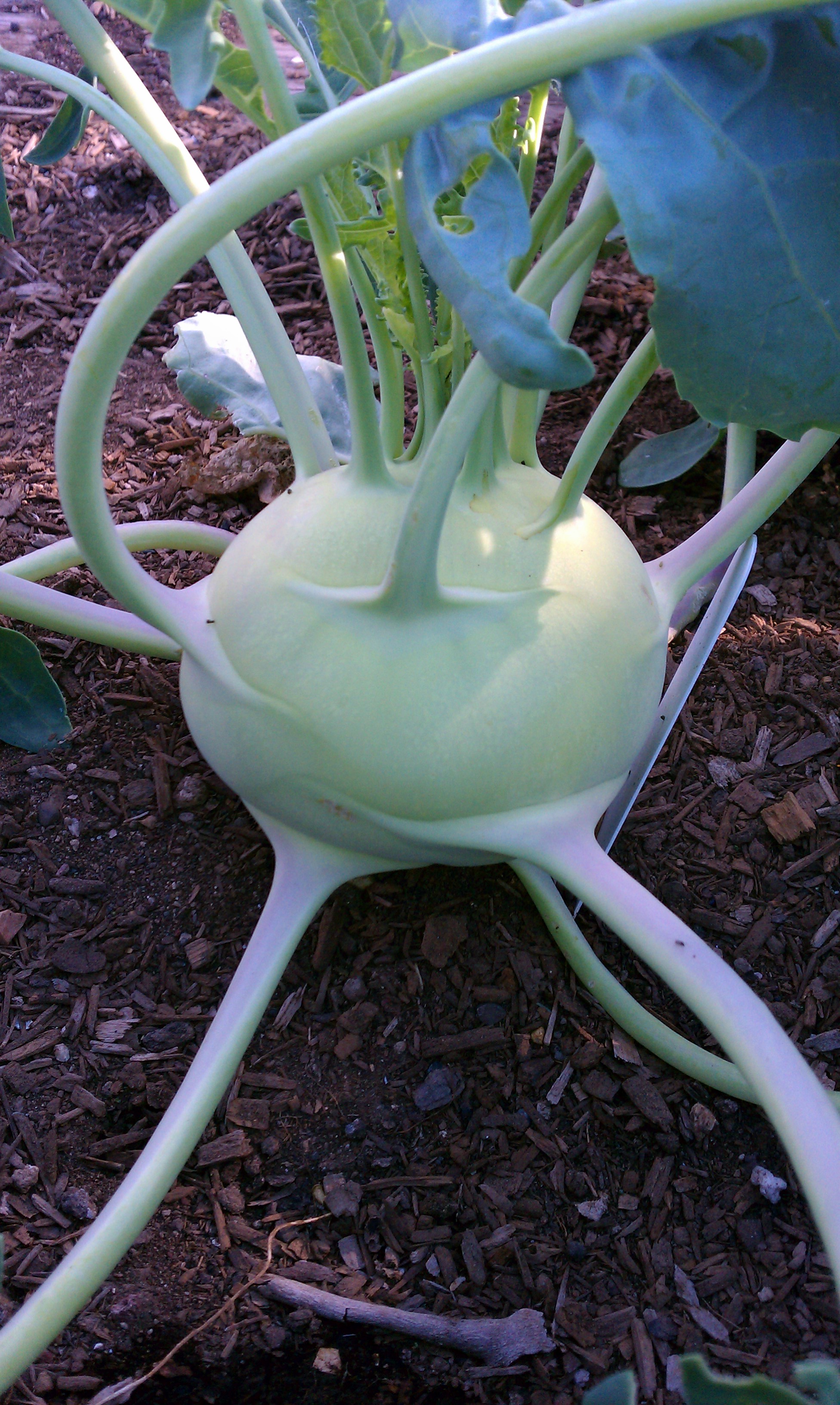
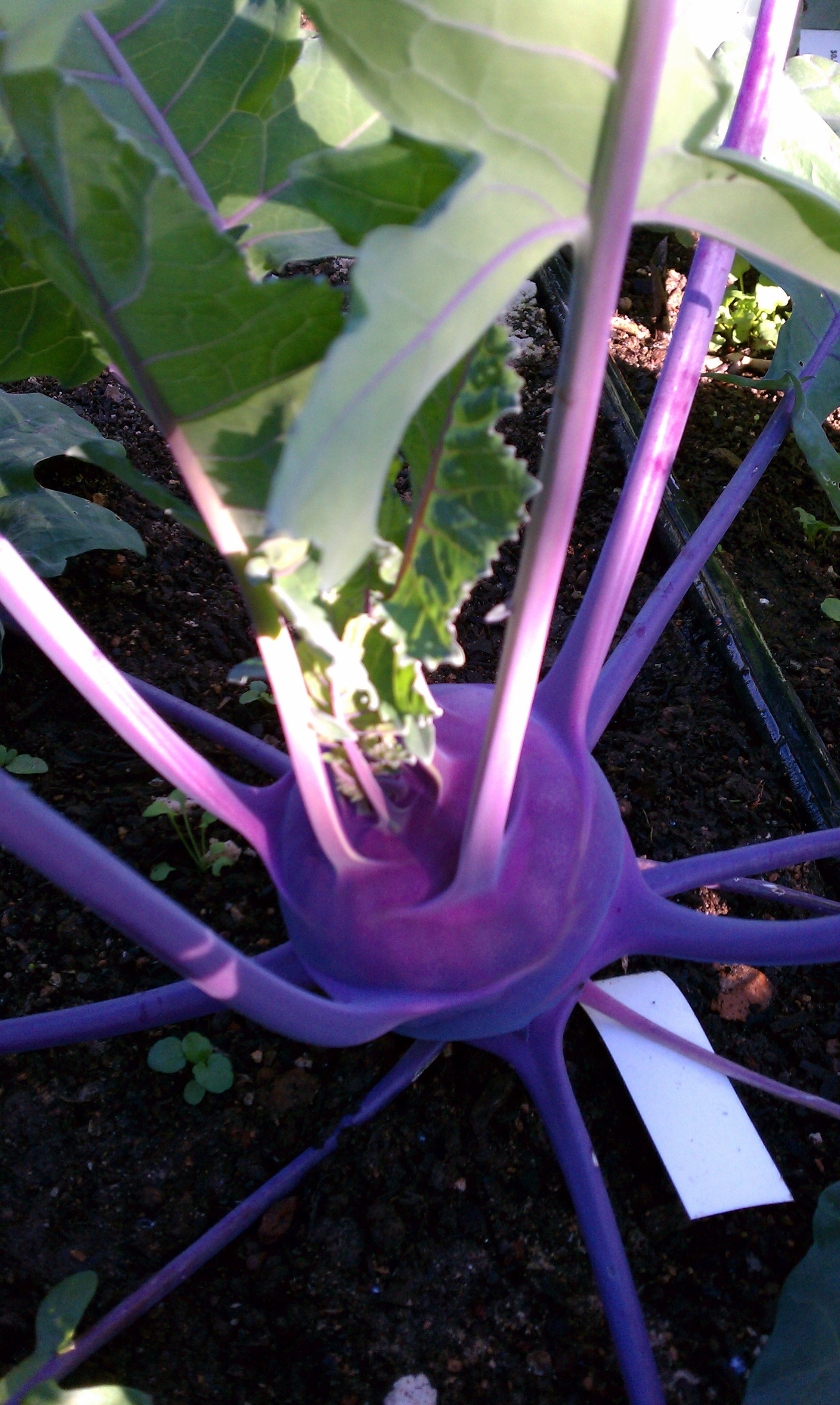
I love this time of year when I can settle down with a good book or seed catalog, near the crackling wood burning stove.  Casper (the perfect cat) nestles into my lap, my dog Sage warming my feet and wanting more attention then the cat is getting.  Inside projects are getting finished that got pushed aside for several months of the year for gardening chores.  I love winter months.  But the real side of me is still yearning for those warmer winter days here in Southern Utah.  Freezing by night and comfortable by day.  These are days I gather leaves, turn compost and will be on the look out for that first narcissus to poke its leaves through the cold hard ground.  Sometimes we get an early bloom at the first of January on the Southeast facing side of the house.  What a welcome sight and a sweet fragrance they put off.  This is the time when I take mental notes of what needs to be done, what I aspire for next year and what beauty I can add to the garden or flower beds.  I watch over my fruit trees seeing what branches need to be removed due to old age or wind damage.  It’s time to prune the grape vines and make grape-vine wreaths with the long spindly cuttings, feed those hungry birds that depend on me for their winter food.  The vegetable garden still has many living things that require watering during dry spells such as the leeks, garlic, and the greens that are under row cover.  One can get so much enjoyment walking through a winter garden, you just have to look a little deeper.  A garden gives so much this time of year and asks hardly nothing in return.  Not much care required.  A break from weeding and what seems like constant watering.  With a root cellar full of a bountiful harvest from summer  saying,  job well done and all the fresh greens we can eat from under protective cover in the garden during the cold winter months gives us satisfaction until new spring crops.  I spend much of my time in the greenhouse this time of year.  It won’t be long before hundreds and sometimes thousands of little pots will be sprouting there first little leaves so green and healthy.  The first session of early crops were just started from seed this week such as brocoli, kohlrabi, kale and other greens.  The smell of the citrus blooming while the Meyer lemons are almost ready to pick entices me to come back soon to the greenhouse.  Who says winter is dull.  It’s only as dull as we make it.  Grant it, I don’t live in a very cold climate where the snow drifts make it impossible to visit the garden.  I think a winter garden should have interest and a mysterious side to it. 

This is such a great time to plan your next years garden.  This year I will be planting only heirloom varieties in my vegetable garden and careful planning will ensure I don’t miss a beat.  Sketch out your garden.  Include crop rotation, succession plantings, leave room to try a new variety this year, add some interest to your usual planting by adding herbs here and there.  Go walk through your garden and get inspired.  Plan on the best garden ever!  Try new flowers in your flower garden, pop some in your veggie beds.  Add veggies to your flower beds for even more interest.  I love to see Tuscan Kale grown amongst pink, red or purple flowers.  Eggplant is such a colorful and outstanding accent. What a better way to make an edible flower garden.  I love perennials, but you can’t beat some old-fashioned heirloom flowers like ‘Kiss Me Over The Garden Gate” over the garden gate!  Try some new long-term shrubs this spring for next years winter garden like dogwoods popped in a few places.  Their beautiful red twigs on cold winter days add so much visual color to an otherwise bleak garden.  Choose shrubs that have berries through the winter time like Winter Berry, Holly or Snowberry.  They are great summer time fillers, but flashy winter time thrillers.  Enjoy winter, embrace it, because spring, summer and hard work are just around the corner!

Leave a comment

Filed under Casper the Cat, Flower Gardens, Gardening, Heirlooms, Life on the Farm

Onions to Cry About

Most gardeners start out growing onions from sets or the little onions transplants. Sets are little dry dormant bulbs and transplants are usually the size of a pencil and like green onions.  Sets are easy to grow and a great way to start, but if you want more bang for you garden, more variety, turn to seeds.  Growing from seed lets me pick varieties to suit my own needs or whims.  Colors range from dashing purple to pure white.  Shapes and sizes to boot.  Long cylinder shapes  like ‘Italian Torpedo’ to my favorite the flat yellow ‘Cippolini’ onion.  I feel like onions grown from seed out perform better than those grown from sets (bulbs).  They are less prone to disease, store better and they bulb up faster.  However, if I only had the choice between sets and transplants, I would always pick transplants.

You may find on your seed packets a description that says “Long Day” or “Short Day”.  What does this mean and does it really matter?  This means there are two different types of onions.  Onion varieties differ in the length of daylight and the temperature required to make a bulb.  short-day types are ideal for the South, where they grow through cool southern fall and winter months.  They’re triggered to bulb by the 12 hours of sunlight that come with the return warm, early summer weather.  Long-day onions are best grown in the North, where the summer daylight period is longer.  These onions require at 14 hours of light to bulb up.  The plant grows foliage in cool spring weather, then forms bulbs during warm summer weather, triggered by the long days.  If short-day onions are grown in the North, they will bulb to early, then languish and never get to a good size.  On the other hand, if long-day onions are grown in the South, they’ll produce lots of leaves, but no respectable bulbs.  If your onion varieties have not produced outstanding bulbs you may have been planting the wrong type of onions for your area.   I plant ‘long-day’ onions, but sometimes can’t resist some of the varieties of the ‘short-day onions.  They end up with much smaller bulbs, but then again I don’t always want a big onion, where-as a 1/4 cup of chopped fresh onion is perfect.  In the long run an onion will still taste like an onion.

Just when you thought that there was nothing to plant in December along came the onion seeds ready to be put into flats.  If you live in very cold areas, wait until January or even February.  I sow seeds in to flats or even 4″ pots for fewer onions seeds.  Fill flats with soiless potting soil, sprinkle onion seeds and then cover with 1/4″ of the soil.  I grow mine in the greenhouse, but you can start them in your warm house as long as you have a south window or sunroom with plenty of light.  Water your newly planted seeds by a sprinkle or from the bottom up to ensure all the soil is moist.  Cover with plastic.  Regular kitchen plastic wrap will work fine.  If you are growing in a greenhouse you can skip this step.  When covering with plastic the need to water is slim if at all.  Onions germinate in about a week.  Once their string-like tips poke through the soil, remove the plastic.  I feed the seedlings a very weak (1/4 strength) solution of water-soluble fertilizer every time I water.  Onions seedling shouldn’t dry out, but they also shouldn’t be soggy.  With anything to much of a good thing isn’t always good!

Once the little guys leaves have reached 7-8 inches, it’s time to plant outside.  For me that is around mid-February time.  Carefully overturn the flat to expose the seedlings’ roots.  Handling the plants by the leaves, I gently tug to separate the roots of individual plants.  Cut back the leaves to 4 inches to keep the plant from being too top-heavy and to give more nutrients to the roots instead of the leaves.  Onions prefer a fertile, loose loam soil amended with well-rotted compost made with animal manure, a well-balanced fertilizer and I add greensand as I will explain later.  Plant the seedlings 1/2 inch deep 4-6 inches apart.  6 inches for larger bulbing onions and 4 inches for smaller varieties.  I like to plant around the perimeter of my garden beds as to not take up much room and the onions will deter some insects.  Keep onions well weeded so they don’t have to compete with water, nutrients and light.  Water and nutrients are an important part of growing onions.  The soil surface should be evenly moist.  If it’s too dry and plants are grown under stress, the bulbs will be smaller and have a stronger flavor.  To help keep moisture in, mulch, but keep away from the bulbs to avoid disease and rot.  Onions are heavy feeders, so besides the initial feeding at planting time, they love a dose of fertilizer when the bulbs begin to swell.  I use a well-balanced fertilizer and greensand.  Greensand is an excellent organic source of potassium and without it the onions necks will thicken and the bulbs won’t store well.  Every time I have skipped adding greensand I end up with thick necks and hallow bulb centers.

At full maturity, the plant go dormant.  The inner leaves stop producing blades, and the hollow-centered neck weakens, causing the tops to bend over.  It is so important to let the plants go dormant before harvesting, or they won’t store well.  As the onions start to mature, ease up on water and fertilizer to encourage dormancy.  I am sure you have heard to bend the tops over before maturity.  Don’t do it!  By doing this you are inviting disease.  Breaking the tops will allow water to enter the bulb and cause rot in addition. However if you have a flower head forming you can bend that over.  Usually an onion that have formed a flower head will be inferior.  I just use those right away even if the tops are green.   Another thing that you probably have been told is to remove the dirt away from the bulb to increase the size……Well, It’s a good idea to do this, but it is more for aiding in the drying process.  By keeping the soil away from the bulb will help dry the papery skins for better storage.  Do this only about a week before harvest.  I have grown great big onions, (two pounders) and never pulled away the dirt until the last week before harvest.

Time to Harvest!  When most of the onions tops have toppled over and started to brown and the bulbs have developed skins, pull the bulbs and place them in a warm, dry, airy location out of direct sun and out of contact with moist soil.  Curing onions in hot summer sun will burn, bleach and soften the outside tissue and allow disease to enter.  This is especially true for large sweet onions, which have the greatest water content.  Spreading onions out on a screen and drying them on a porch or in a garage works well.  Onions take up to three weeks to cure before they’re ready for storing.   Once onions have dried adequately, cut the foliage back to 1 to 2 inches from the top of the bulb or braid them as you would garlic.  So pretty!  Store the crop in a cool, dry location and remember that good air circulation is a must.  Onions can be stored in the traditional onion bag or in a shallow box.  Separating them with newspaper keeps them even longer.  You can also use a skinny net with knots between each onion bulb and hang it up for optimum storage.

This new growing season give planting onions from seed a whorl!  You will find they are far better than those named red, white and yellow onions you find at the local grocery store.  Onions have names too!

Greensand

2 Comments

Filed under Gardening

Putting Your Garden to Bed

Fall garden clean up is essential to the long-term health of your garden.  If you get your garden ready for winter properly, it will make a big difference next spring.  You won’t be dealing clean-up, catch-up and diseases, you will be enjoying the simple pleasures of planting early and enjoying the spring bulbs. 

Typically you want to start getting your garden ready for winter right after the first frost has killed off most of your tender veggies.  If your garden plants are no longer producing and earlier clean up can certainly be done.  My tomatoes and squash are no longer producing and there are no green one left on the vine.  So out they go today!

old corn should be removed before winter months

Pull up, spray off and put away any cages or stakes used in the garden.  Remove all of the spent plant material from the garden.  Dead plants, old fruit and vegetables and any diseased plants should be removed from the garden beds and disposed of.  If the spent plant material was healthy, it can be composted.  If any signs of disease, it should be disposed of either in the trash or by being burned.  You can risk re-infecting disease to your garden if you compost diseased plant material.  Rake any left over debris.  If left in the garden, insects and disease can overwinter in it.  I like to till to soil.  You can work some fall leaves into the vegetable garden soil at this time and they will break down over the winter.   Don’t just layer over the top and leave for the winter months.  Till it in!  This is the time to spread compost, composted manure or other fertilizers onto the vegetable beds.  By doing this now your soil will be looser and easier to work in the early spring months.  You can also plant a cover crop for the winter which will add tilth and fertility to your soil for future plantings.

Continue to water trees until the ground freezes if you haven’t receive fall rains.  Especially evergreens. 

Wrap the base of young fig trees with burlap.  Young trees can die back completely if the winter is extra cold.  I like to wrap loosely and fill with straw or leaves as an extra insulation.  Don’t uncover until ALL chances of frost are gone in the spring.

Rake leaves often.  The work can seem daunting if you only rake once.  A little here and there is certainly a lot more enjoyable.  Besides if leaves are left on the lawn to long, they can get slimy, smoother and weaken the  grass.  You can run your mower over the to break them down if done often or catch them in the bag and use the shredded leaves as a winter mulch in perennial  beds or just add them to the compost pile.  They are great for that!  Leaves that haven’t been shredded will take longer to break down and they can repel water and stay dry for years.  So shred them if possible either with a chipper shredder or running your mower over them.  Make leaf mould simply by piling shredded leaves with a sprinkle of water in layers and left to sit for several months.  Of course turning often and adding moisture will break them down faster.

Apply fertilizer to your lawn in the fall encourages winter hardiness and promotes quick greening in the spring.  I really like using Cotton Seed Meal for this.

Do one last weeding and discard any weeds that have weed seeds.  Any seeds left will germinate next year and come back to haunt you.  One crabgrass plant has the potential of producing 10,000 seeds in a season!  To bad they aren’t tasty!

Leave perennial seed heads for winter food for the birds

In the perennial gardens I like to leave some seed heads of my Rudbeckia, Echinacea and other perennials for winter interest and feeding the birds.  I do however,remove them after the seeds are gone.  This gives me a little sun and  time in the garden on warmer winter days.

Pull out all annuals that have been hit by frost and toss into the compost pile. 

Plant spring bulbs before the ground freezes.  Put a tablespoon of Bone Meal into the hole where the bulb is going.

Don’t cut back roses back yet.  This should be done early spring.

Preparing your garden, especially the vegetable garden will help your garden stay healthy from year to year!

1 Comment

Filed under Gardening