
There are some companies you work with simply because they have a good product. And then there are companies you support because the people behind them, the way they treat others, and the quality they stand for truly line up with your values.
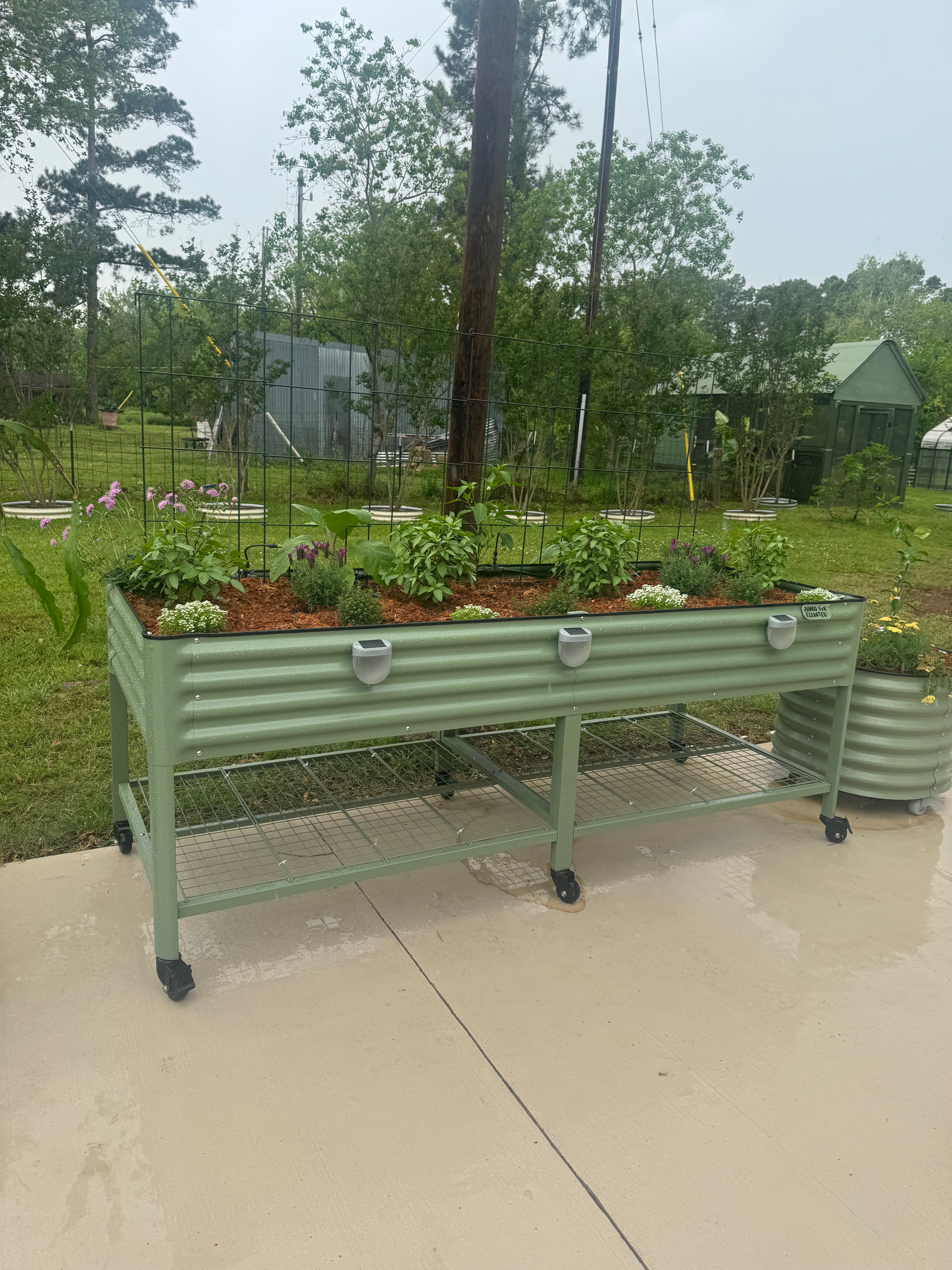
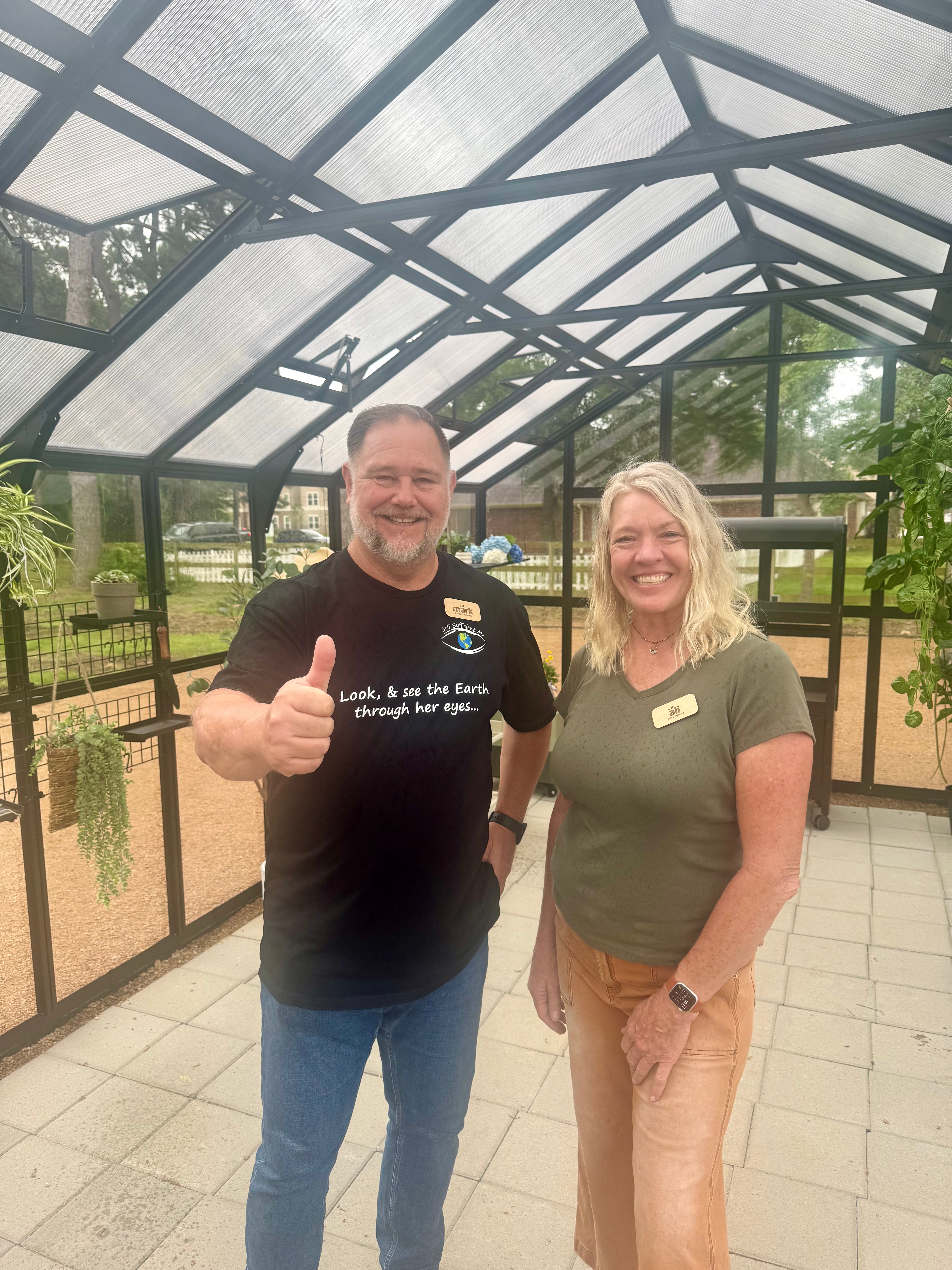
Recently, we had the opportunity to travel to Texas and spend time at the Vego Farm, where Vego Garden tests and works with their products. It was such a fun and meaningful trip for us. We spent two days there, met the Vego team, connected with other creators, toured their farm and warehouse, and got to see firsthand the heart behind the company.
And after spending that time with them, I can honestly say it made me appreciate Vego even more.
Seeing the Heart Behind the Company
One of the biggest takeaways from our trip was seeing what kind of company Vego really is.
The farm itself was such a neat place to visit. There is a house on the property that serves as an office, and the whole setting felt welcoming, creative, and full of purpose. We got to spend time with the team, learn more about the company, and see how much effort goes into creating products that truly serve gardeners.
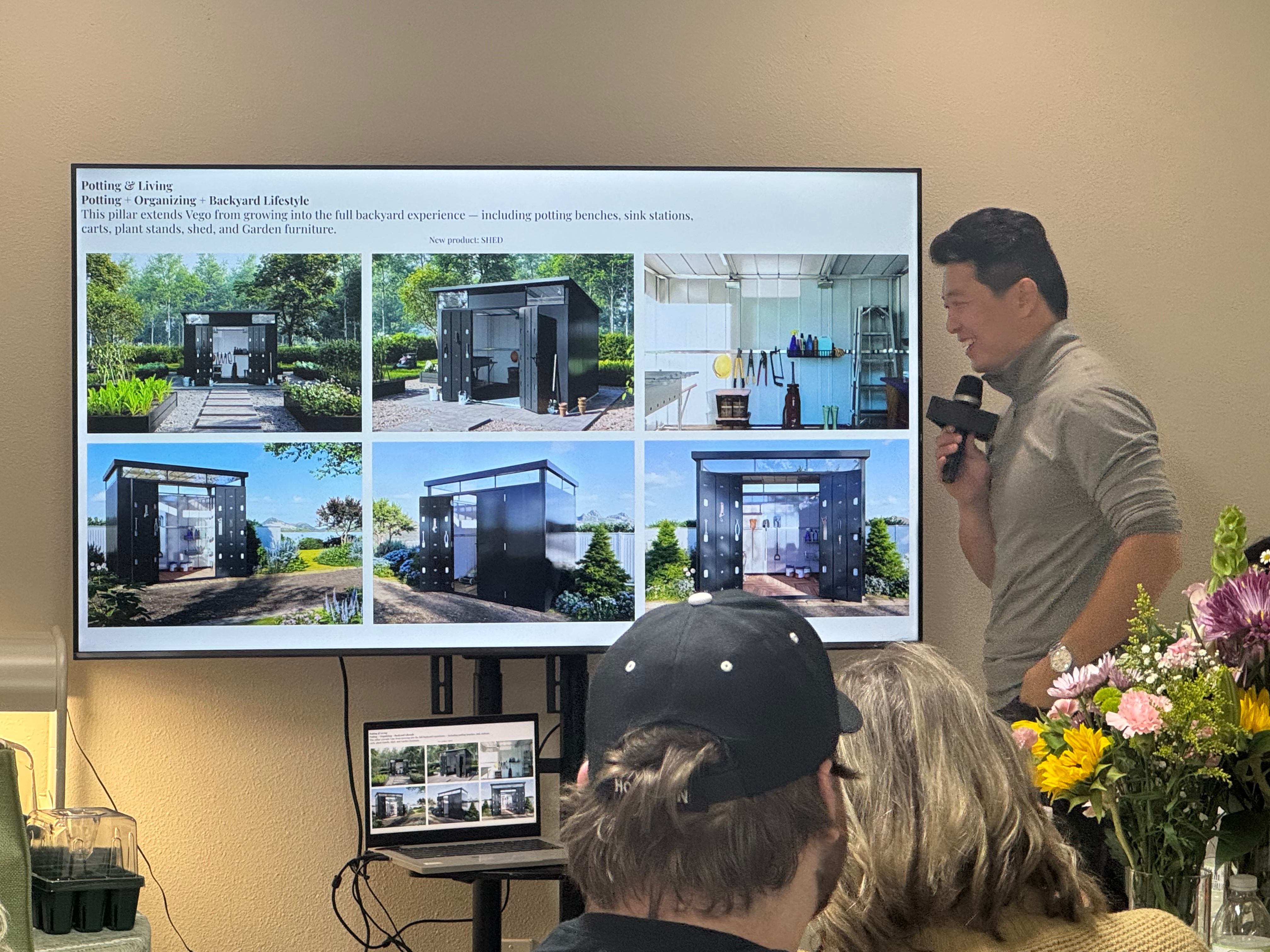
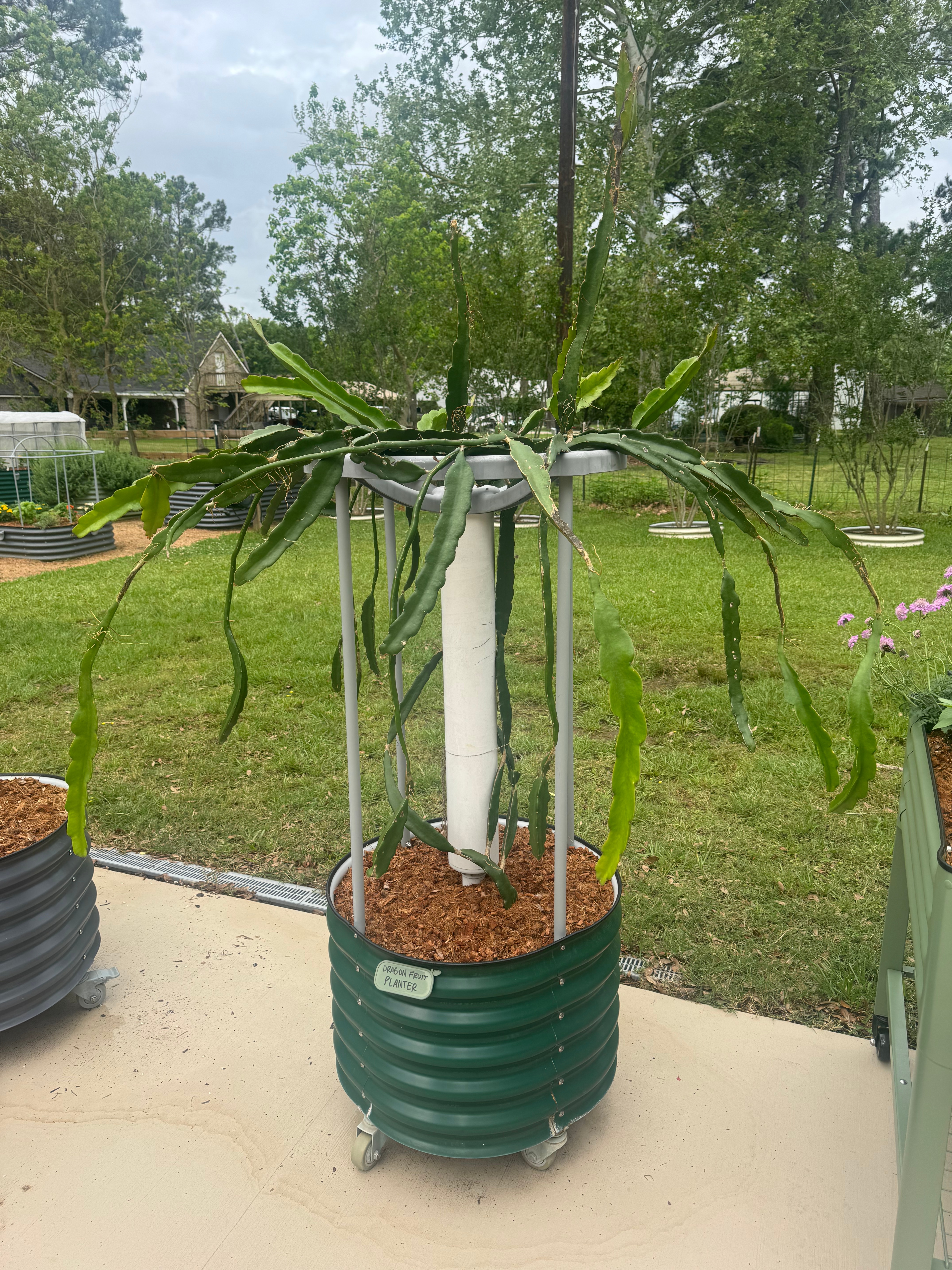
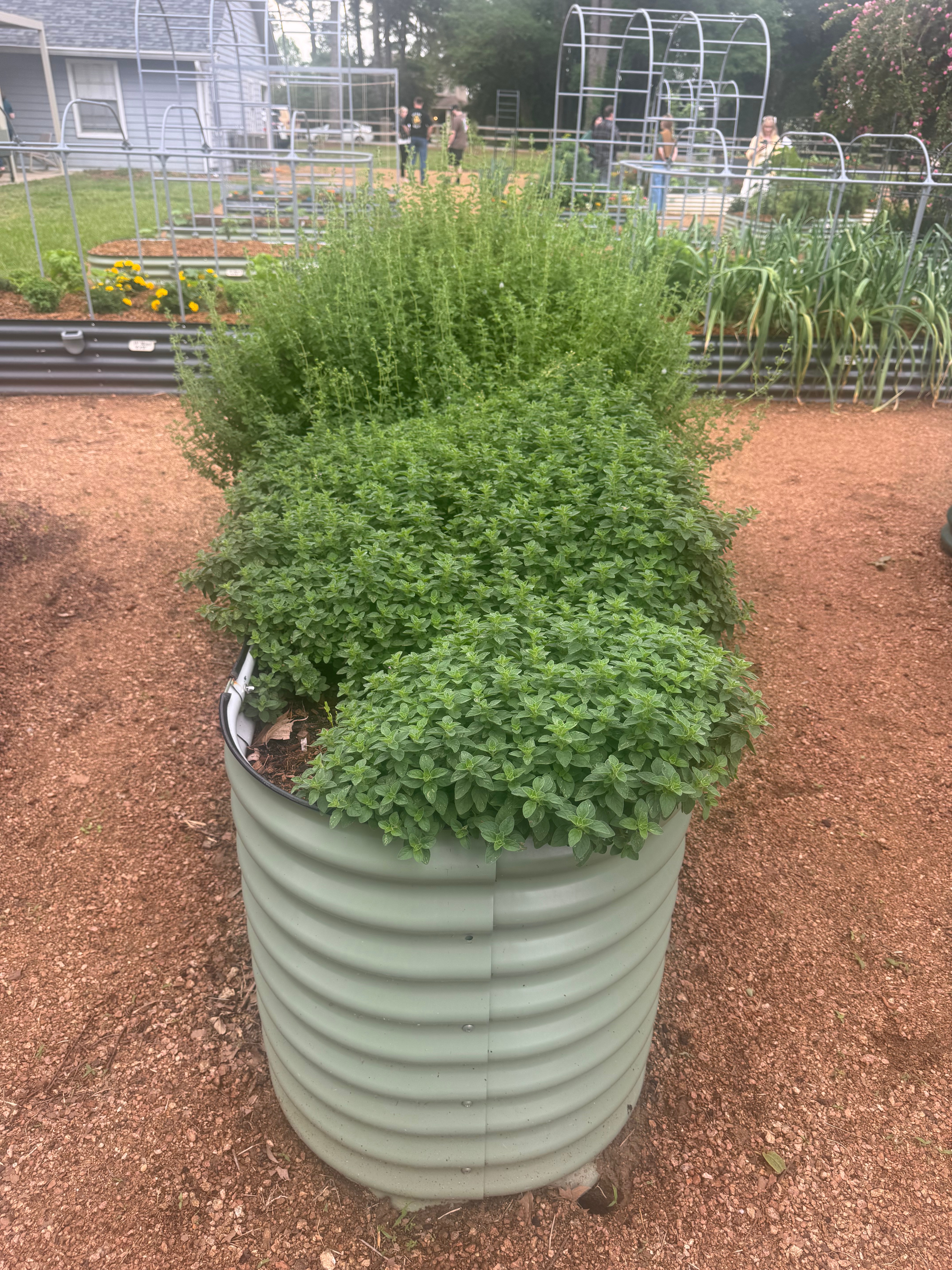
We also met Robert, the CEO, and that was such a highlight. He is amazing. It was easy to see that he genuinely cares about the company, the products, and especially the people who work there. That matters to me. When you see a company treating their employees well and building something with integrity, it makes it so much easier to support what they do.
That part of the trip really stayed with me.
Two Days at the Farm
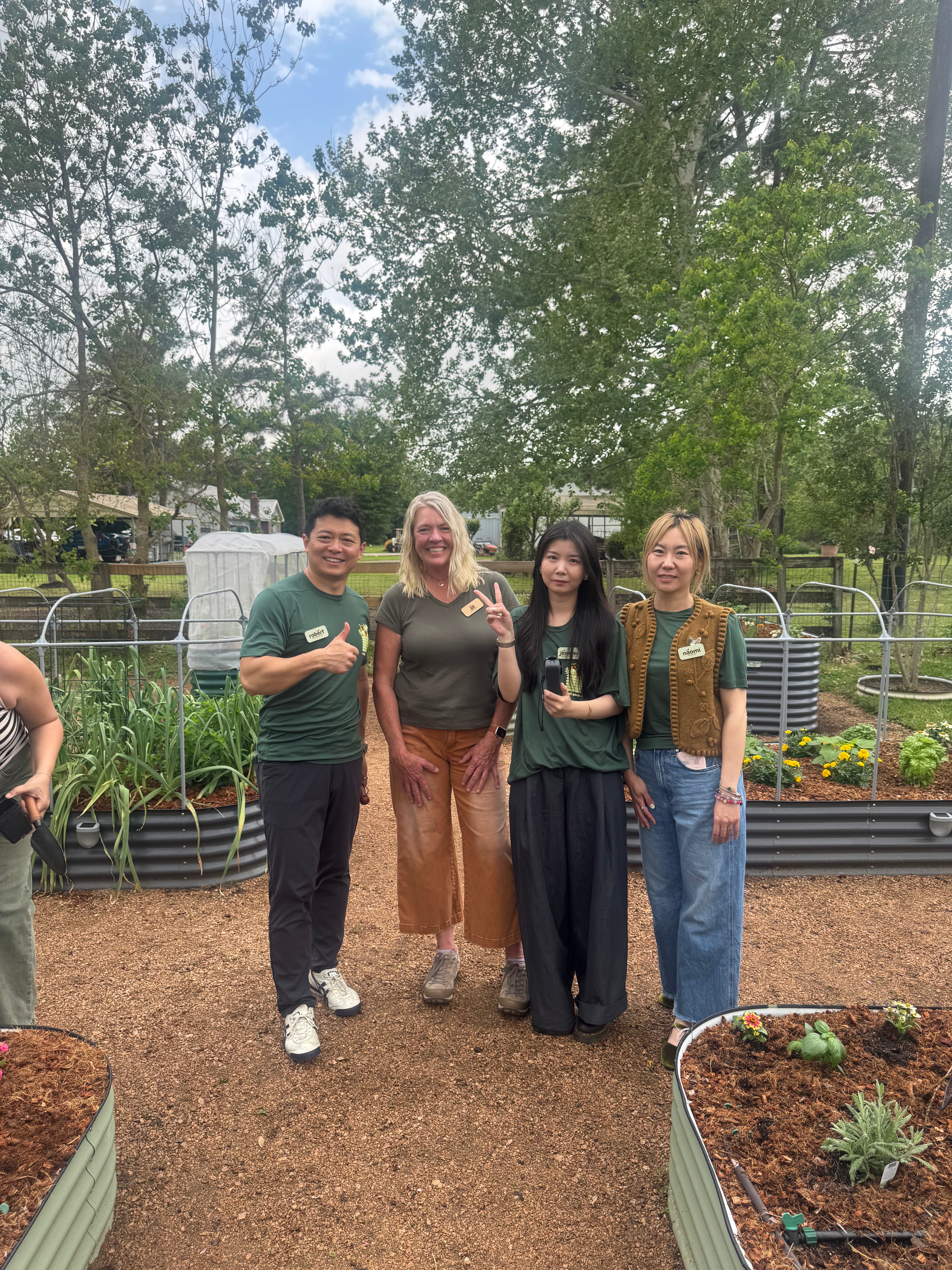
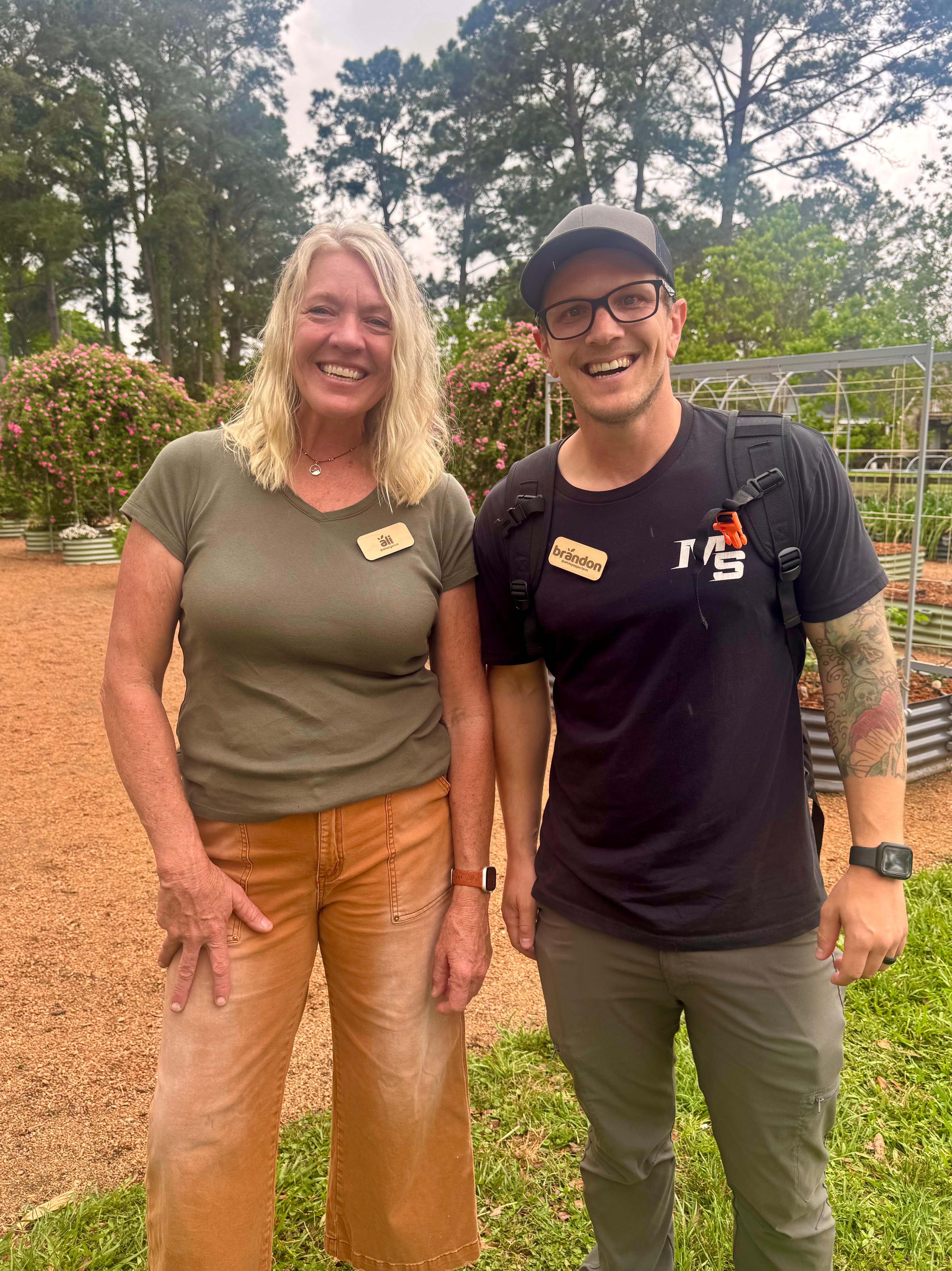
While we were at the farm, we got to plant in some of their raised beds, spend time outdoors, and enjoy being around other creators who are passionate about gardening and growing food. It was such a great experience to connect with like-minded people, share ideas, and enjoy time doing something we all love.
There is something special about gathering with people who understand the joy of growing things, building a garden, and creating beauty and abundance right where you are.
The whole trip felt inspiring.
A Look Inside the Warehouse
We also had the chance to visit Vego’s 100,000 square foot warehouse, which was impressive to see in person. It gave us a bigger picture of the scale of the company and the amount of work that goes into getting these products out to gardeners all over.
When you see the operation behind the scenes, it gives you an even greater appreciation for the planning, design, and logistics involved. It is one thing to order a product online. It is another thing entirely to see the people and systems behind it all.
Why We’ve Trusted Vego for Years
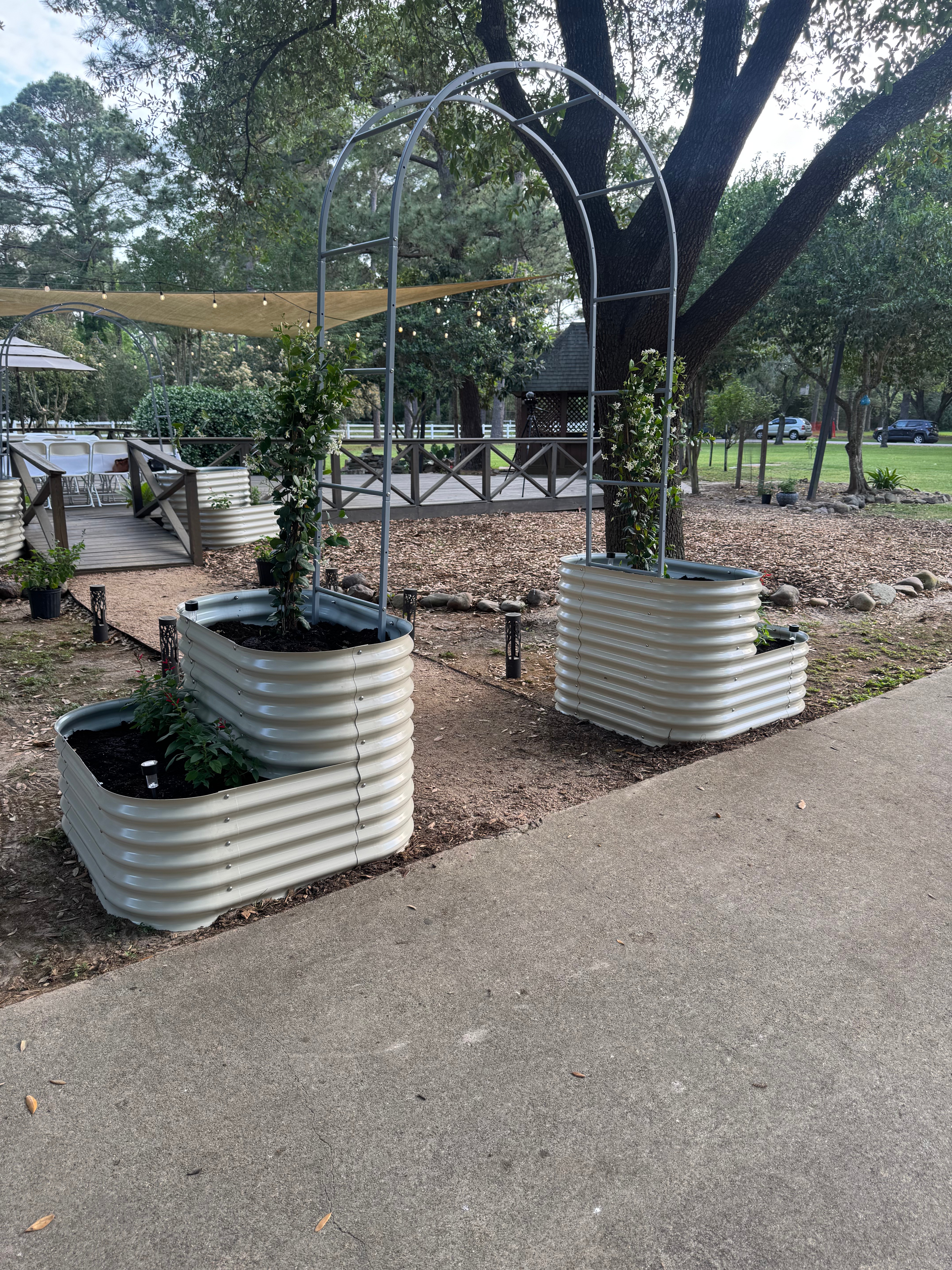
I have been using Vego raised beds for about five years now, and I can honestly say they have held up beautifully. I bought four of their raised beds years ago, and they still look new.
That says a lot.
These beds are heavy-duty, high-quality, and built to last. For anyone wanting to grow more food, create a more organized garden space, or make gardening easier to manage, raised beds can be such a game changer. And when the beds themselves are well made, it makes the whole experience even better.
That is one of the reasons I continue to recommend Vego. Their products are not flimsy or disposable. They are thoughtfully designed and made to serve gardeners for the long haul.
Their Greenhouses Have Been a Great Fit for Us
Vego also offers high-quality greenhouses in a range of sizes, and that is something we have benefited from on our own homestead. We use one of their greenhouses for our citrus trees, and it has been such a helpful part of protecting those plants and extending what we can grow.
For those of us gardening in climates with cold snaps, wind, or challenging seasonal shifts, having a reliable greenhouse can make a huge difference. It gives you more flexibility, more growing time, and more protection for valuable plants.
More Than Raised Beds
One thing I appreciate about Vego is that they have continued to expand beyond raised beds alone. They have really worked to create products that support gardeners in a practical, useful way.
In addition to raised beds and greenhouses, Vego is also known for offering products for many parts of the gardening process, including:
- metal potting benches
- plant trellises and support systems
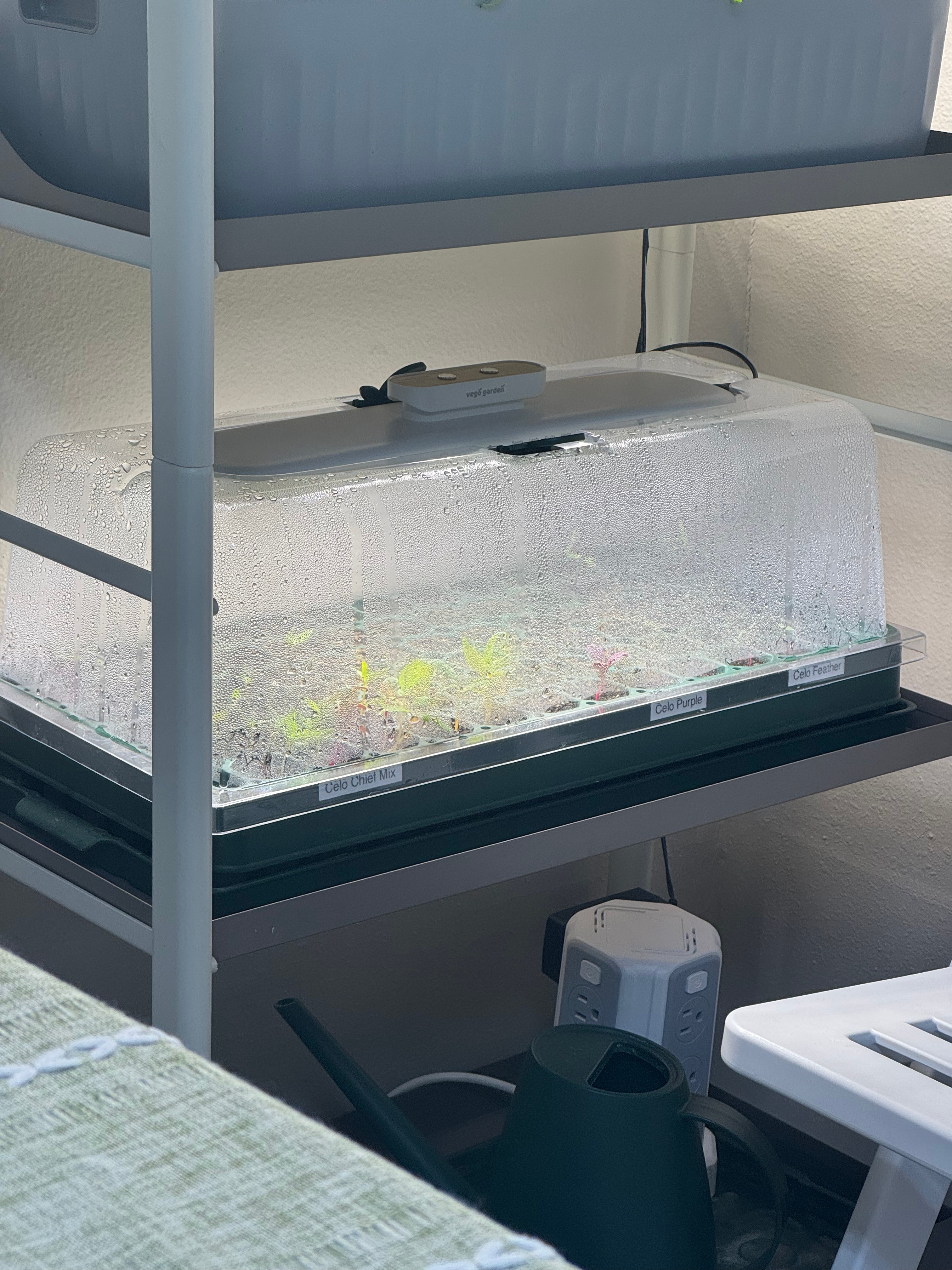
- seed-starting setups
- grow lights
- grow light shelving systems
- garden covers and protection options
- planters and other garden structures
- accessories designed to make gardening easier and more organized
- raised beds
- citrus planters
- greenhouses
What stands out is that their products are designed with gardeners in mind. They are functional, durable, and made to help simplify the work of growing.
Why Company Values Matter
As gardeners and homesteaders, many of us care deeply about where we spend our money. We want to support companies that make quality products, yes, but also companies that operate with care, thoughtfulness, and integrity.
That is why this trip meant so much.
Getting to see that Vego treats their employees well, values their team, and creates products with quality in mind made me feel even better about supporting them. Good products matter. Good people matter too.
And when you find both in one company, that feels right.
A Memorable Trip
We truly enjoyed our time with the Vego team. From touring the farm and warehouse, to planting raised beds, to meeting other amazing creators, it was a trip we will remember for a long time.
It was inspiring, encouraging, and honestly just a lot of fun.
We came home even more thankful for the relationships we’ve built, the products we use, and the opportunity to share companies with you that we genuinely believe in.
Why We Recommend Vego
After using their products for years and now seeing more of the company behind them, I can say this with confidence: Vego is a company we are proud to support.
If you have been thinking about investing in raised beds, a greenhouse, or other garden tools that are built to last, Vego is worth looking into. Their raised beds have stood the test of time for us, their greenhouse has been a wonderful addition for our citrus, and the people behind the brand made an even bigger impression than the products themselves.
That combination is rare.
And when you find it, it is worth sharing.
Our trip to Vego Farm reminded us that the best companies are not just built on products. They are built on people, purpose, and a commitment to doing things well.
From their long-lasting raised beds to their greenhouses, potting benches, trellises, grow lights, and more, Vego has created products that truly support gardeners. But beyond that, they have built a company culture that feels good to stand behind.
That is something we value deeply.
We are grateful we got to experience it in person, and we are happy to continue sharing Vego products with our community.
If you are ready to build a garden space that is beautiful, functional, and made to last, Vego is a brand we wholeheartedly recommend.
Vego_garden


