
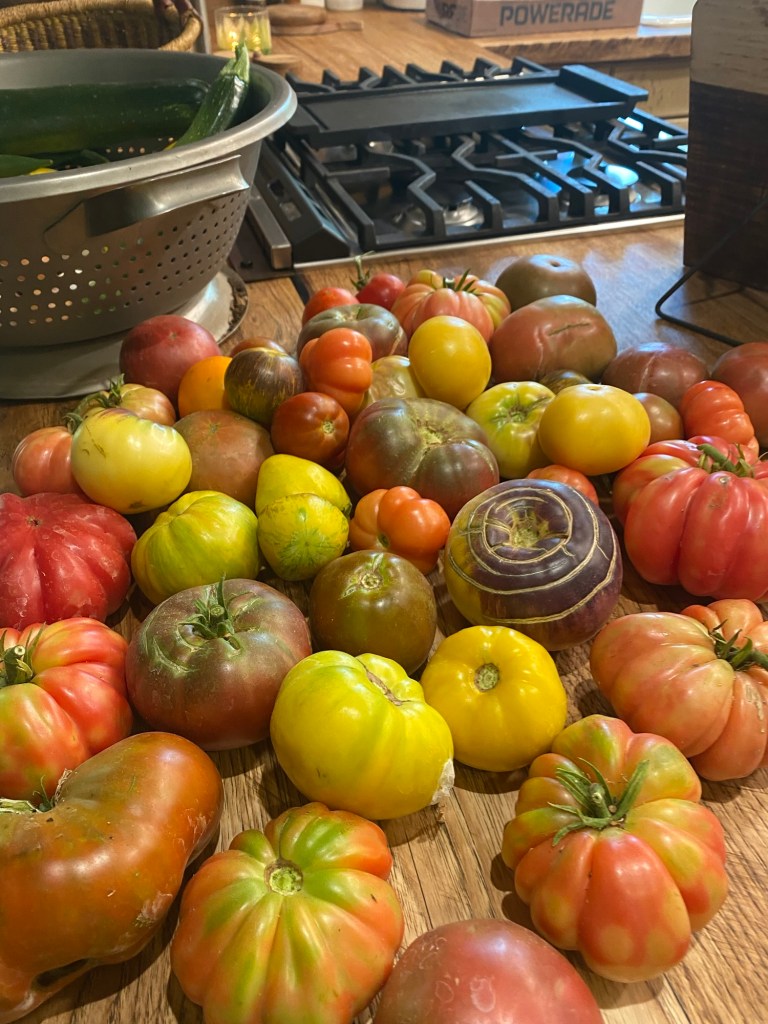
Tomatoes are one of the most popular crops to grow in the garden, but they grow even better when they’re planted with the right neighbors.
Companion planting is the practice of growing plants together that benefit one another. Some plants improve soil health, attract beneficial insects, repel pests, or even improve flavor and productivity.
When you choose the right companions, tomatoes can grow stronger, healthier, and produce better harvests.
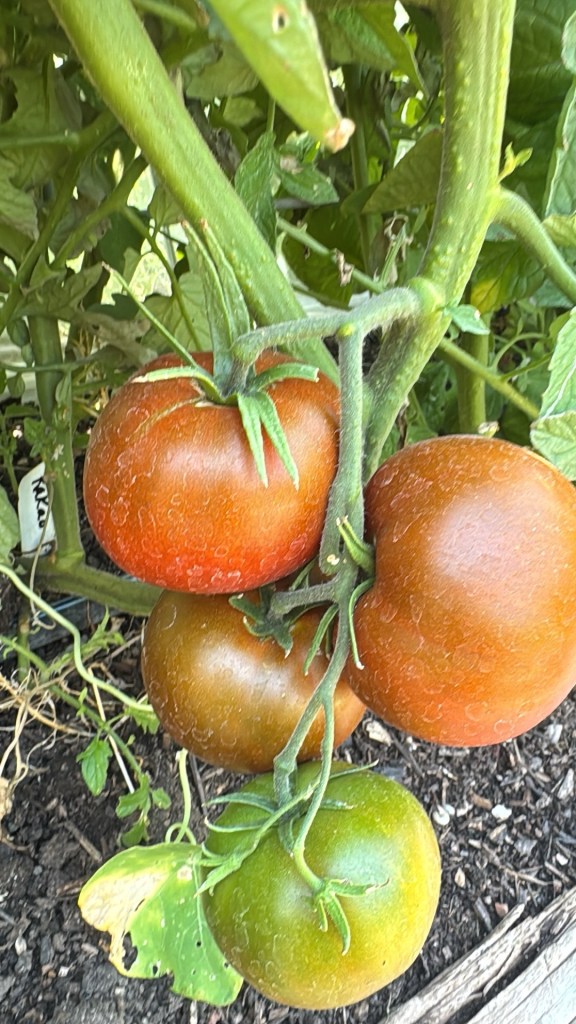
In my latest video, I share my favorite tomatoes to grow every year and how I start them from seed, along with a few growing tips.
Let’s take a deeper look at some of the best companion plants for tomatoes and a few plants you should avoid planting nearby.
Why Companion Planting Helps Tomatoes
Tomatoes are heavy feeders and can be susceptible to pests like aphids, hornworms, and whiteflies. The right companion plants can help create a more balanced garden ecosystem.
Benefits of companion planting include:
• attracting pollinators
• attracting beneficial insects that control pests
• repelling harmful insects
• improving soil health
• maximizing space in the garden
A diverse garden is often a healthier and more productive garden.
Best Companion Plants for Tomatoes
Here are some of the best plants to grow alongside tomatoes.
Basil
Basil and tomatoes are a classic pairing in both the garden and the kitchen.
Basil helps repel pests such as:
• aphids
• whiteflies
• tomato hornworms
It also attracts beneficial insects and pollinators that help support the garden ecosystem.
Many gardeners also believe basil can enhance tomato flavor, although the biggest benefit is pest control and biodiversity.
Borage
Borage is one of the most powerful companion plants you can grow near tomatoes.
It attracts pollinators such as bees and beneficial insects that help control pests. Borage is also believed to help repel tomato hornworms.
Another benefit is that borage adds minerals to the soil as its leaves break down.
Plus, the beautiful blue flowers make the garden more vibrant.
Marigolds
Marigolds are famous for helping control garden pests.
Their roots release compounds that help suppress certain soil pests, including nematodes.
They also help deter insects like:
• aphids
• whiteflies
• beetles
Planting marigolds around tomatoes can help create a natural pest barrier.
Calendula
Calendula is another excellent companion plant that attracts beneficial insects such as:
• ladybugs
• lacewings
• hoverflies
These insects help control pests like aphids and other small insects that can damage tomato plants.
Calendula is also a wonderful medicinal herb, making it a great dual-purpose plant in the garden.
Onions and Garlic
Members of the onion family can help deter pests that bother tomatoes.
Garlic and onions can repel:
• aphids
• spider mites
• certain beetles
They also take up very little space, making them easy to tuck between tomato plants.
Carrots
Carrots make a great companion for tomatoes because they grow underground and don’t compete for the same space.
The carrot roots help loosen soil, which can improve drainage and soil structure around tomato plants.
They’re also a great example of intensive planting, allowing you to grow more food in the same garden space.
Plants to Avoid Near Tomatoes
While many plants benefit tomatoes, a few should be kept away.
Corn
Corn and tomatoes attract many of the same pests, particularly the tomato fruitworm (which is also the corn earworm).
Planting them together can increase pest pressure in the garden.
Fennel
Fennel is known to inhibit the growth of many nearby plants, including tomatoes.
It is best grown in its own section of the garden.
Potatoes
Tomatoes and potatoes are both part of the nightshade family.
Because of this, they share many of the same diseases, including blight.
Planting them close together can increase the chance of disease spreading.
A Healthy Garden Is a Diverse Garden
One of the best things you can do for your garden is increase plant diversity.
When you grow herbs, flowers, and vegetables together, you create a small ecosystem that supports pollinators, beneficial insects, and healthier soil.
Tomatoes thrive when they are part of a balanced and diverse garden system, rather than grown alone.
Tomatoes are already one of the most rewarding crops to grow, but companion planting can make them even more productive.
Adding plants like basil, borage, marigolds, calendula, onions, and carrots can help create a healthier garden while improving pest control and biodiversity.
A garden filled with many different plants is often more resilient, more productive, and more enjoyable to grow.
If you’d like to see the tomato varieties I grow every year and how I start them from seed, be sure to watch the video above.
Happy gardening! 🍅


 Out Standing In The Garden