Tag Archives: vegetables

The Best Companion Plants for Tomatoes (And What to Avoid)

Tomatoes are one of the most popular crops to grow in the garden, but they grow even better when they’re planted with the right neighbors.

Companion planting is the practice of growing plants together that benefit one another. Some plants improve soil health, attract beneficial insects, repel pests, or even improve flavor and productivity.

When you choose the right companions, tomatoes can grow stronger, healthier, and produce better harvests.

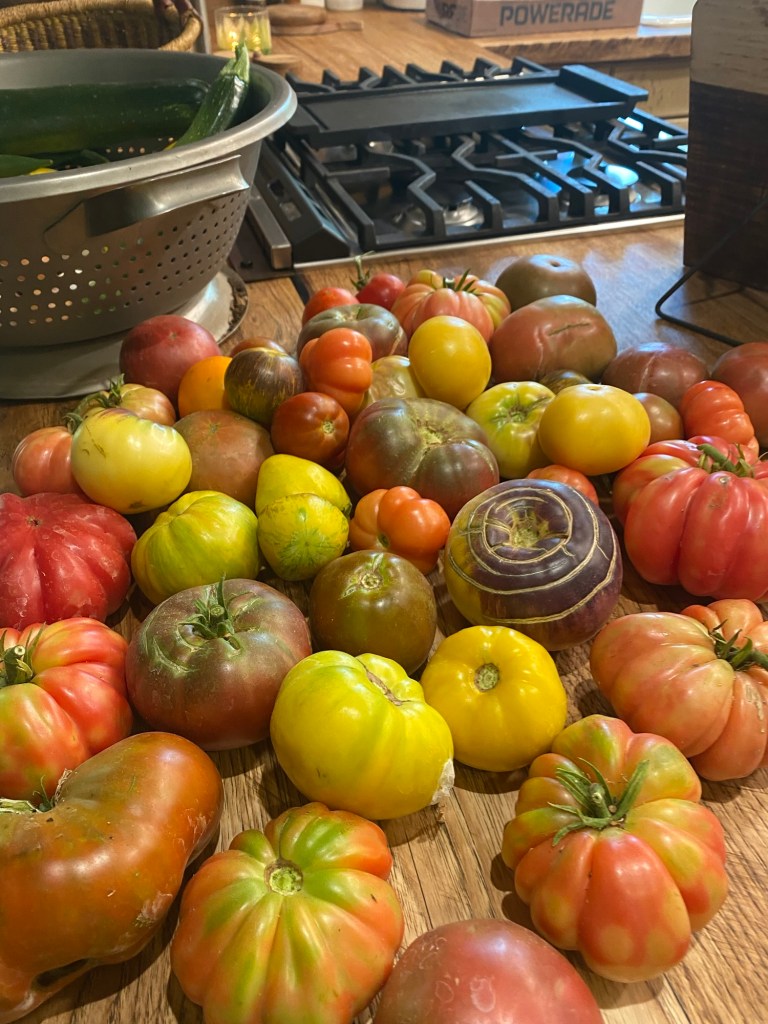
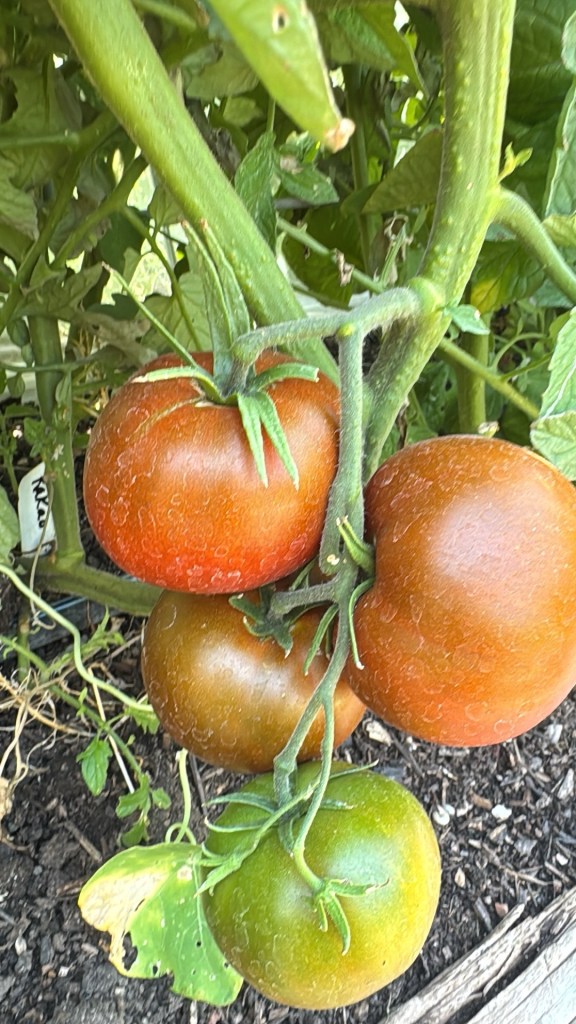
In my latest video, I share my favorite tomatoes to grow every year and how I start them from seed, along with a few growing tips.

Let’s take a deeper look at some of the best companion plants for tomatoes and a few plants you should avoid planting nearby.


Why Companion Planting Helps Tomatoes

Tomatoes are heavy feeders and can be susceptible to pests like aphids, hornworms, and whiteflies. The right companion plants can help create a more balanced garden ecosystem.

Benefits of companion planting include:

• attracting pollinators
• attracting beneficial insects that control pests
• repelling harmful insects
• improving soil health
• maximizing space in the garden

A diverse garden is often a healthier and more productive garden.


Best Companion Plants for Tomatoes

Here are some of the best plants to grow alongside tomatoes.


Basil

Basil and tomatoes are a classic pairing in both the garden and the kitchen.

Basil helps repel pests such as:

• aphids
• whiteflies
• tomato hornworms

It also attracts beneficial insects and pollinators that help support the garden ecosystem.

Many gardeners also believe basil can enhance tomato flavor, although the biggest benefit is pest control and biodiversity.


Borage

Borage is one of the most powerful companion plants you can grow near tomatoes.

It attracts pollinators such as bees and beneficial insects that help control pests. Borage is also believed to help repel tomato hornworms.

Another benefit is that borage adds minerals to the soil as its leaves break down.

Plus, the beautiful blue flowers make the garden more vibrant.


Marigolds

Marigolds are famous for helping control garden pests.

Their roots release compounds that help suppress certain soil pests, including nematodes.

They also help deter insects like:

• aphids
• whiteflies
• beetles

Planting marigolds around tomatoes can help create a natural pest barrier.


Calendula

Calendula is another excellent companion plant that attracts beneficial insects such as:

• ladybugs
• lacewings
• hoverflies

These insects help control pests like aphids and other small insects that can damage tomato plants.

Calendula is also a wonderful medicinal herb, making it a great dual-purpose plant in the garden.


Onions and Garlic

Members of the onion family can help deter pests that bother tomatoes.

Garlic and onions can repel:

• aphids
• spider mites
• certain beetles

They also take up very little space, making them easy to tuck between tomato plants.


Carrots

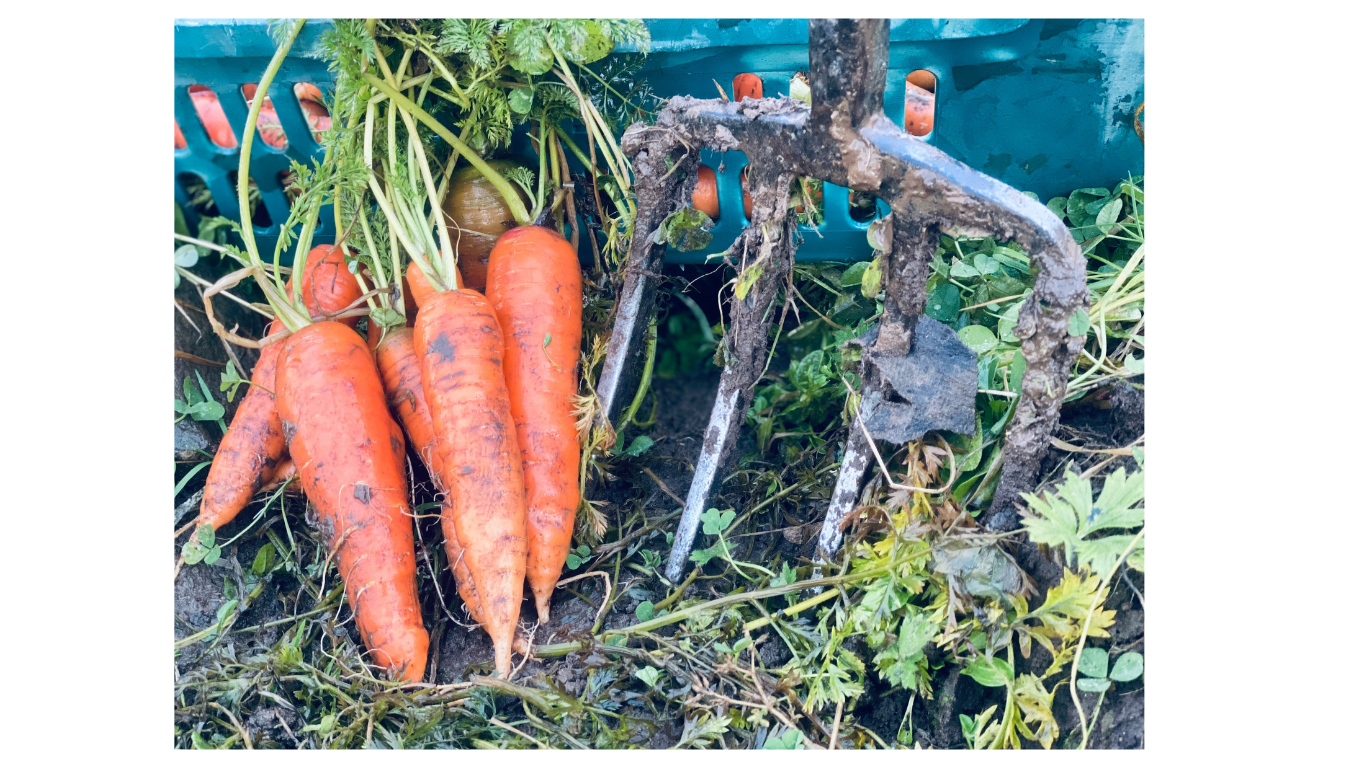
Carrots make a great companion for tomatoes because they grow underground and don’t compete for the same space.

The carrot roots help loosen soil, which can improve drainage and soil structure around tomato plants.

They’re also a great example of intensive planting, allowing you to grow more food in the same garden space.


Plants to Avoid Near Tomatoes

While many plants benefit tomatoes, a few should be kept away.


Corn

Corn and tomatoes attract many of the same pests, particularly the tomato fruitworm (which is also the corn earworm).

Planting them together can increase pest pressure in the garden.


Fennel

Fennel is known to inhibit the growth of many nearby plants, including tomatoes.

It is best grown in its own section of the garden.


Potatoes

Tomatoes and potatoes are both part of the nightshade family.

Because of this, they share many of the same diseases, including blight.

Planting them close together can increase the chance of disease spreading.


A Healthy Garden Is a Diverse Garden

One of the best things you can do for your garden is increase plant diversity.

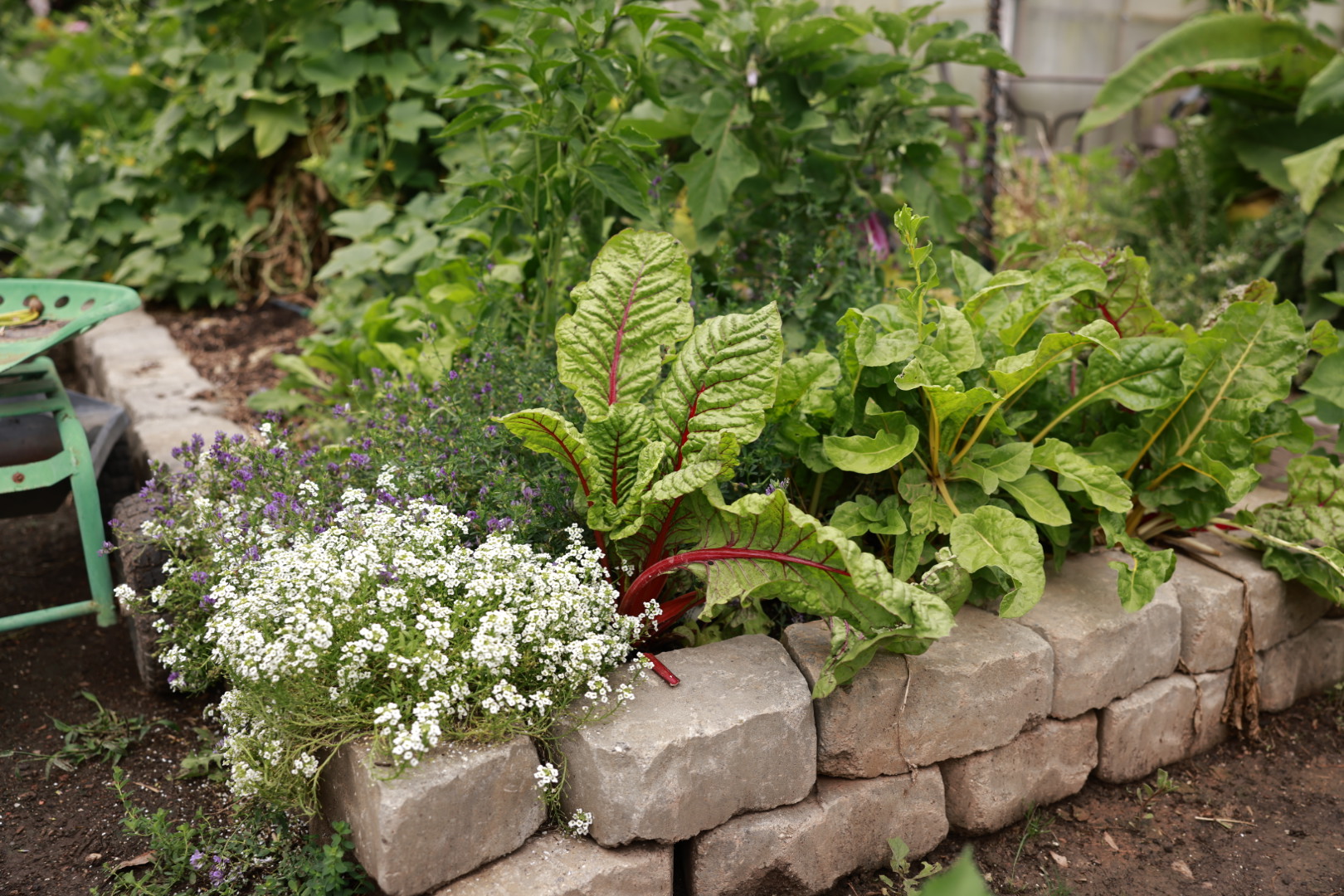
When you grow herbs, flowers, and vegetables together, you create a small ecosystem that supports pollinators, beneficial insects, and healthier soil.

Tomatoes thrive when they are part of a balanced and diverse garden system, rather than grown alone.


Tomatoes are already one of the most rewarding crops to grow, but companion planting can make them even more productive.

Adding plants like basil, borage, marigolds, calendula, onions, and carrots can help create a healthier garden while improving pest control and biodiversity.

A garden filled with many different plants is often more resilient, more productive, and more enjoyable to grow.

If you’d like to see the tomato varieties I grow every year and how I start them from seed, be sure to watch the video above.

Happy gardening! 🍅

Leave a comment

Filed under Gardening

Rooted in Renewal: Setting Goals for a Bountiful Gardening Year

As the new gardening season begins, there’s a palpable sense of hope in the air. The crisp mornings and the faint promise of budding greenery remind us that this is a time for renewal, growth, and fresh possibilities. For gardeners, it’s more than just planting seeds; it’s about planting dreams, nurturing aspirations, and fostering a connection with the earth that keeps us grounded and hopeful.

This year, my focus is on self-sufficiency—taking another step closer to producing more of what my family and I need from our own soil. It’s a goal that excites me, but it also comes with its own challenges. Being self-sufficient requires not only effort and dedication but also a good dose of planning and learning from the past.

One of my big goals this year is to keep better records. If there’s one thing I’ve learned over the years, it’s that a well-documented garden is a productive garden. Harvest times, planting schedules, soil amendments, weather patterns—these details might seem small in the moment, but they hold the key to a more fruitful future. This season, I’m committing to jotting down notes regularly, tracking what works and what doesn’t, and using that information to make next year even better.

But let’s face it, no matter how meticulously we plan, life happens. There will be days when the to-do list feels overwhelming, when unexpected challenges pop up, or when something simply doesn’t get done. And that’s okay. This year, I’m reminding myself not to stress over the unchecked boxes or the occasional misstep. Perfection isn’t the goal—progress is.

Gratitude is a key ingredient in this journey. Instead of focusing on what didn’t go as planned, I want to celebrate what did. The first tomato of the season, the joy of harvesting fresh herbs for dinner, the bees buzzing happily around the blossoms—these moments are treasures that deserve our attention and appreciation. When we garden with a heart full of gratitude, every harvest feels like a victory, no matter how small.

So here’s to a new season filled with promise. Let’s dig our hands into the soil, dream big, and embrace the process with patience and joy. Let’s set goals that inspire us, keep records that guide us, and allow ourselves the grace to stumble and learn along the way. And most importantly, let’s take time to marvel at the miracles that unfold in our gardens and in ourselves as we grow.

May your season be bountiful, your heart light, and your gratitude abundant. Happy gardening!

Leave a comment

Filed under Gardening

Time to Gear Up for Fall Gardening

Fall is a magical time of year when nature transforms in preparation for the winter ahead. It’s also an ideal season for gardeners to get their hands dirty and engage in fall planting. But what exactly does planting in fall entail, and how can you make the most of this season in your garden?

When it comes to planting in fall, timing is key. Depending on your region’s climate and frost dates, fall planting typically begins in late summer to early fall. This window of opportunity allows plants to establish strong root systems before winter arrives, setting them up for success in the following growing season.

To ensure a successful fall planting experience, it’s important to adhere to some best practices. Start by preparing your soil by removing debris, aerating the soil, and incorporating organic matter like compost to enrich its fertility. Choosing the right plants for fall planting, such as cold-hardy vegetables, flowering bulbs, and cover crops, can help you maximize your garden’s potential.

One way to increase yields in your fall garden is to implement crop rotation and companion planting techniques. By rotating your crops each season and planting compatible species together, you can deter pests, improve soil health, and optimize space for better productivity. Additionally, practicing proper watering and mulching can help retain moisture and protect plants during fluctuating fall temperatures.

When selecting plants for your fall garden, consider cool-season crops that thrive in lower temperatures. Leafy greens like lettuce, kale, and Swiss chard, as well as root vegetables like carrots, beets, and radishes, are excellent choices for fall planting. These crops can withstand cooler weather and even benefit from the cold to develop sweeter flavors.

Soil management is crucial for a successful fall planting experience. Conduct a soil test to determine its pH levels and nutrient content, and amend the soil as needed to create an optimal growing environment for your plants. Adding a layer of mulch around your plants can help regulate soil temperature, suppress weeds, and retain moisture, promoting healthy growth and higher yields.

As you embark on your fall planting journey, anticipate what to expect as the season progresses. While fall-planted crops may grow more slowly than those planted in spring or summer, they can offer a continuous harvest well into the cooler months. Keep an eye on weather patterns and be prepared to protect your plants from early frosts or sudden temperature changes.

Certain types of plants excel going into winter and can add beauty and interest to your fall garden. Ornamental grasses, winter-blooming flowers, and cold-hardy shrubs can provide visual appeal and structure to your garden throughout the colder months. Additionally, planting cover crops like winter rye or clover can help protect and enrich your soil during the winter while suppressing weeds.

Fall planting presents a wealth of opportunities for gardeners to extend their growing season, boost yields, and enjoy the bounty of the autumn harvest. By following best practices, choosing the right plants, managing your soil effectively, and staying attuned to your garden’s needs, you can create a thriving fall garden that nourishes the body and soul.

Leave a comment

Filed under Gardening