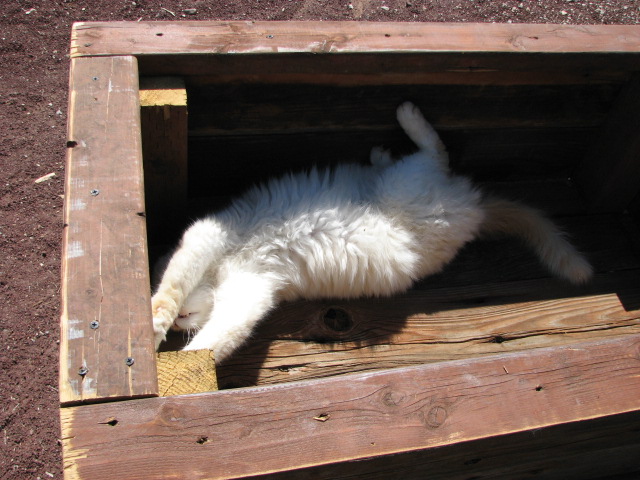
Several people have come to the garden this week asking about Casper. Where he is and what he is doing. Not far off I can point him out, on the patio table, in the flower-pot, in the goat manger. This loveable, lazy creature has touched many people’s heart. Some days when feeling his oats (not often) you know he has been into something. At my cottage retail store I have multiple herbs for sale. A few months ago I was experiencing problems with the lemon catnip being drug all over the place. Mind you! Not just a few feet away, but I would find the little root balls from the front of the store to the back, to the orchard and other various places. I know cats like catnip, but really! dragging it all over the yard. These poor little plants were mutilated to the point of no return. Casper does have his own catnip garden but he prefers the little white potted lemon catnip plants! When getting in several flats of new herbs today, I see Casper enjoying a new flavor! Sweet Grass! Soon after his indulgence he became frisky rolling around in the planter boxes for a few short moments before he fell fast asleep.
Author Archives: Ali
Casper and the Little White Pots
Filed under Casper the Cat
Preserving Peas
Think back to the time when you were a kid and you and your mom would sit on the porch on an early summer evening, shelling peas for winter storage. Okay, this never really happen in my life because the peas never made as far as the kitchen, but this is something that I think of as a past time from generations before. Simple life, simple pleasures bring me happiness just by the thought of it. I have, at times with my own children experienced something of the sort. Of course most of the time peas were consumed by my kids and their cousins sitting in the pea patch for hours making simple talk, enjoying each other and the sunshine during early summer months. When I could preserve peas I would never “can” them. If all you have ever had is canned peas and you despise them, I can understand. Truthfully I think canned peas don’t have any place on this planet! Fresh is alway best, but come winter months and you just want a couple handfuls for your soup or pot pie, freezing them is the next best option.
A couple of steps will help you have success in preserving your bountiful harvest of shelling peas.
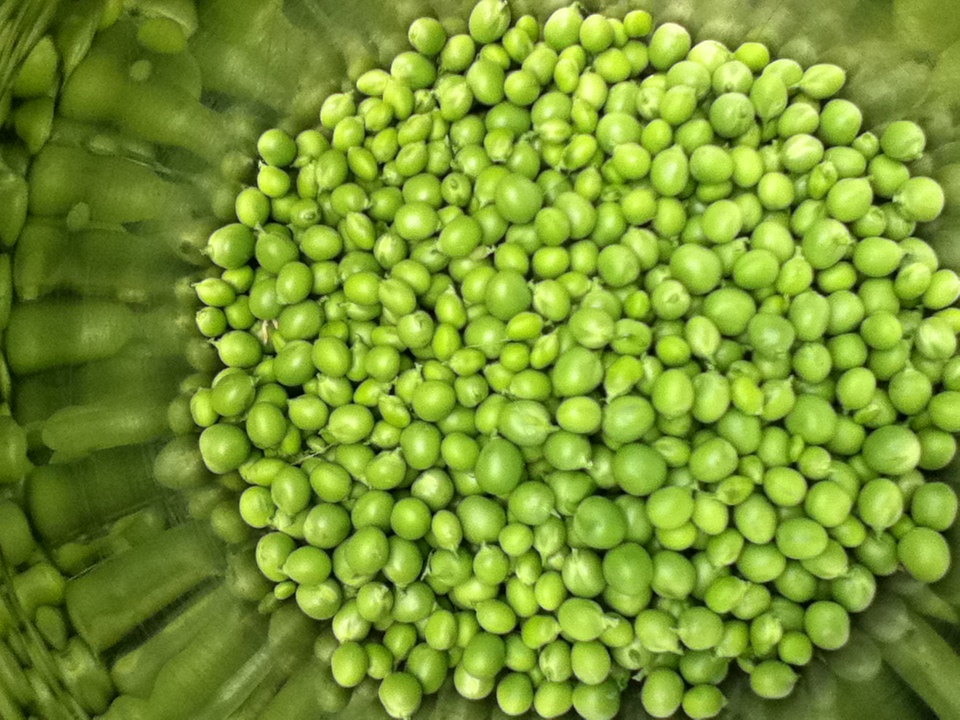
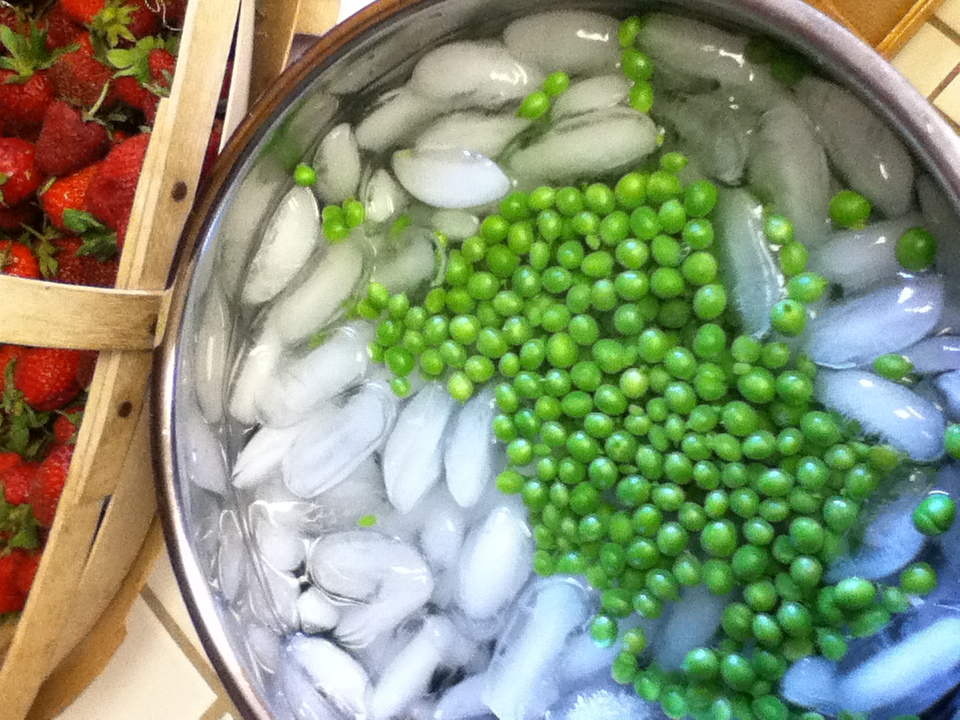
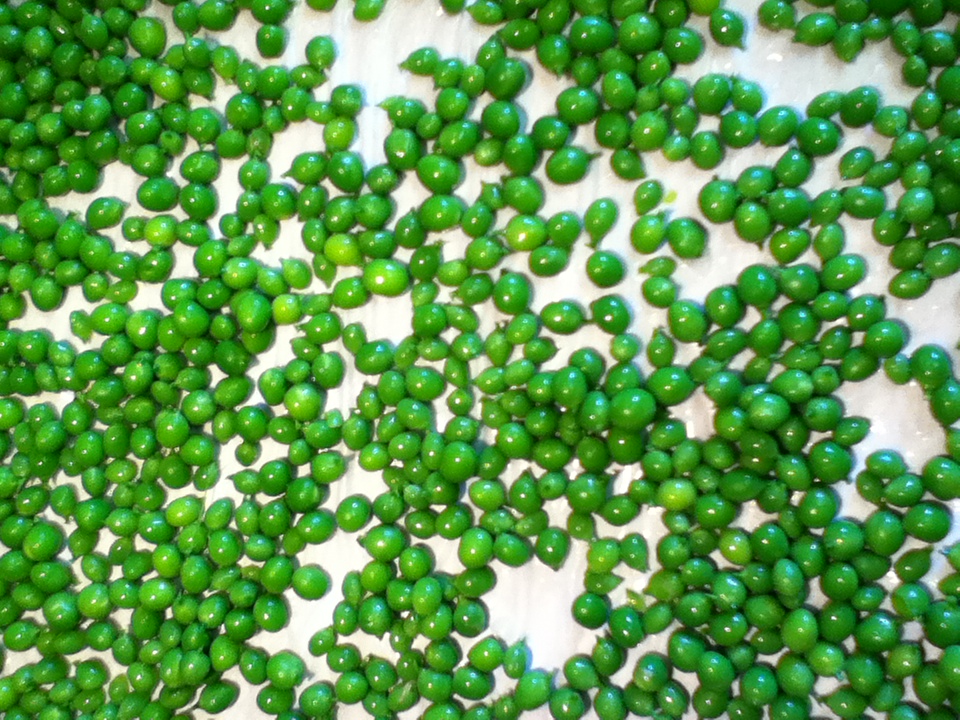
Pick peas early in the morning hours. This is when they are at their best and sweetest. Rinse if they are dirty. Shell simply by pressing your thumb into the seam and popping it open. Get some water boiling for blanching. Peas (and other veggies) contain enzymes and bacteria that break down over time destroying nutrients and change the color, flavor, and texture of food during frozen storage. peas requires a brief heat treatment, called blanching, which is done in boiling water to destroy the enzymes before freezing. Get another bowl with ice water ready for cooling the peas off quickly. This stops the cooking process. Pour peas into boiling water and blanch for no more than 90 seconds. Quickly drain (they smell so good) into a colander and then immediately into the ice bath. Let them stay in there for another 90 second. Drain well. I then put them on a baking sheet covered with wax paper or parchment. Spread them out so they don’t touch each other for the most part. Freeze for 15 to 30 min. This will make them easy to use so they aren’t in a big clump in a bag. I use this method of freezing for most things that come from the garden. I seal mine with a vacuum sealer. Date and once again freeze. Peas should be used within a year for freshest taste. Enjoy!
Filed under Preserving
The Carrot Patch
When planting the garden, don’t forget about the carrots! Carrots are often thought of only as a spring time planting, but I like to plant carrots though the growing season into early summer and then again in the fall. Home-grown carrots have a sweet juicy flavor that can’t compare, thank goodness, with supermarket carrots bland taste. I plant closely and start to thin out baby carrots for early nibbles and roasted baby carrots. When growing your own carrots you have so many more choices. Carrots are diverse. Some varieties are pencil thin and some short and stubby. Colors go beyond the familiar orange. Purples, white, and yellow are so fun to display on a white dish at the dinner table. And who can’t resist eating a few straight from the ground.
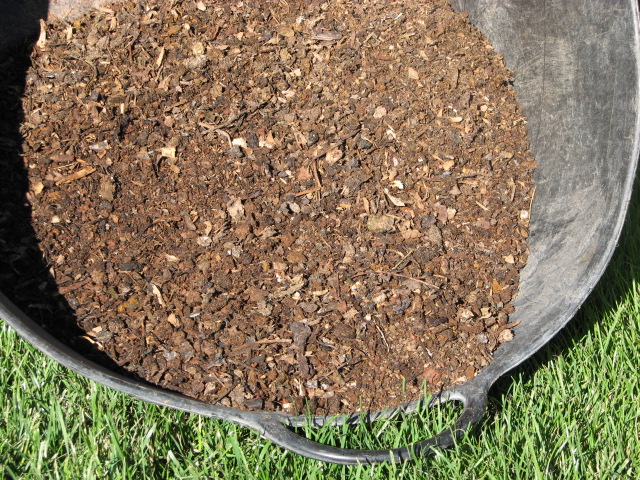
If you have ever grown carrots and they each seem to have grown many legs in many directions, you can probably blame your soil. Carrots grow best in sandy soils with good drainage. Work in plenty of organic matter (compost). If you have clay soil you can amend with perlite or vermiculite and peat moss. This opens up the soil allowing your carrots to grow longer root systems. If your soil is still being worked and is not yet loamy, don’t let that stop you from planting carrots. Just plant varieties that are shorter like, Chantenay varieties. They are also very good winter keepers. Just let them stay in the ground over winter. This is a great way to have fresh carrots all winter long without taking up space in the root cellar or frig. If you live in a cold region put a layer of straw over them the keep the tops from getting damaged from frost. Carrots require an open sunny site. Sow seeds outdoors in early spring until summer. Carrots do not transplant well. Broadcast seed, tamp down and cover with a thin layer of fine compost. You can also sow carrots and radishes in the same row. Just be very careful when pulling radishes that you don’t disturb the carrots too much by pulling the radish with one hand and the other holding down any carrots that might want to come with. Water with a gentle wand so as not to disturb the seed much. Keep soil surface moist till carrots germinate. I wait to thin my carrots until they are big enough to eat as baby carrots, 2-3″. This does take away from the size of later carrots a bit, but I don’t mind a smaller carrot. You can thin early when greens are 1-2″ tall to 2–3″ apart. Put thinnings into your compost pile. Keep weeds out of your crop making sure not to disturb the roots too much. Carrots are companions with onions and chives. Now! Go plant some carrots!
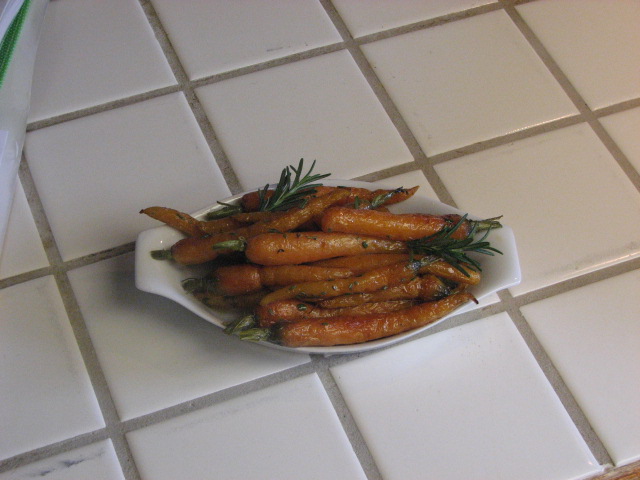
Roasted Baby Carrots With Honey and Rosemary
Scrub baby carrots. Trim off all but 1/2 inch of the greens, arrange carrots in a single layer on a foil-lined baking sheet. Drizzle with olive oil and roll back and forth to coat. Roast until carrots are tender when pierced with a fork, about 20-40 minutes. remove from oven and season with salt and pepper. Drizzle hot carrots with a little honey and finely chopped fresh rosemary. Easy and so good!
Filed under Gardening, Recipes from the Garden
Growing Peppers
Peppers! So many flavors, colors, sweet, mild, hot and………WOW give me some milk fast HOT! I grow them all. Peppers are warm weather lovers. Although, over 90 degrees for extended periods they stop producing fruit. I start planting peppers starts in my garden around the first of May. Any earlier they don’t grow and the spring winds we get howling through the garden, they seem to suffer and get torn up. If I do get the urge to plant sooner I do cover them with row cover. My peppers usually get popped into a spot where lettuce was grown for early spring harvest and is then cleared out. I work the soil and add 4″ of compost. Ahh, compost! My peppers receive full sun until around 5 pm. It gets hot here and I have to protect the fruit with floating row cover from sunburn. Peppers with sunburn get a leathery, sunken look on the top and south side of the pepper where the sun hits it the most during hot days. Space peppers 12 inches apart. This close planting helps the plants shade their own fruit from sunburn. When planting, I will add a tablespoon of all-purpose fertilizer (well-balanced) in each hole and mix it up a little with the existing soil and pop the pepper plant in covering the roots ball, but not firmly. Water deeply and don’t let the soil dry out. I start to mulch mine when the mercury rises. This helps retain water and keep the roots cooler. I fertilize every three weeks until mid-fall. When harvesting your peppers cut off the fruit rather than tug and pull. The plants are brittle and you don’t want to pull on a pepper and end up with half of the plant in your hand. Peppers don’t like to be planted with onions. It seems to stunt them. Try some new varieties this year and surprise yourself. Ancho and Anaheim for roasting, little sweet stuffing peppers with a little bit of cheese on the grill, jalapeno for mango salsa, cayenne for making your own cayenne pepper. What ever peppers you choose find new ways to serve them, because there are so many. Why get stuck in a rut!
Summer Bell Salad
- 1 large red bell pepper cut into bite sized pieces
- 1 large yellow bell pepper cut into bite sized pieces
- 1 large green bell pepper cut into bite sized pieces
- 6 green onions, minced
- 4 cups baby spinach
- 1/4 cup parsley, chopped
- 1/2 cup golden raisins
- 1/2 cup walnuts or pecans coarsely chopped
- Mix everything in a large bowl and toss with dressing
Dressing for Bell Salad
- 1/8 cup raspberry vinegar
- 1/4 cup olive oil
- 1/4 cup honey
- 1/4 tsp sea salt
- Dash of pepper
- Combine all ingredients until blended and pour over bell salad
Filed under Gardening