Category Archives: Gardening

Planting, Growing, Care

With the Emergence of Spring Everywhere, It’s Time to Plant!

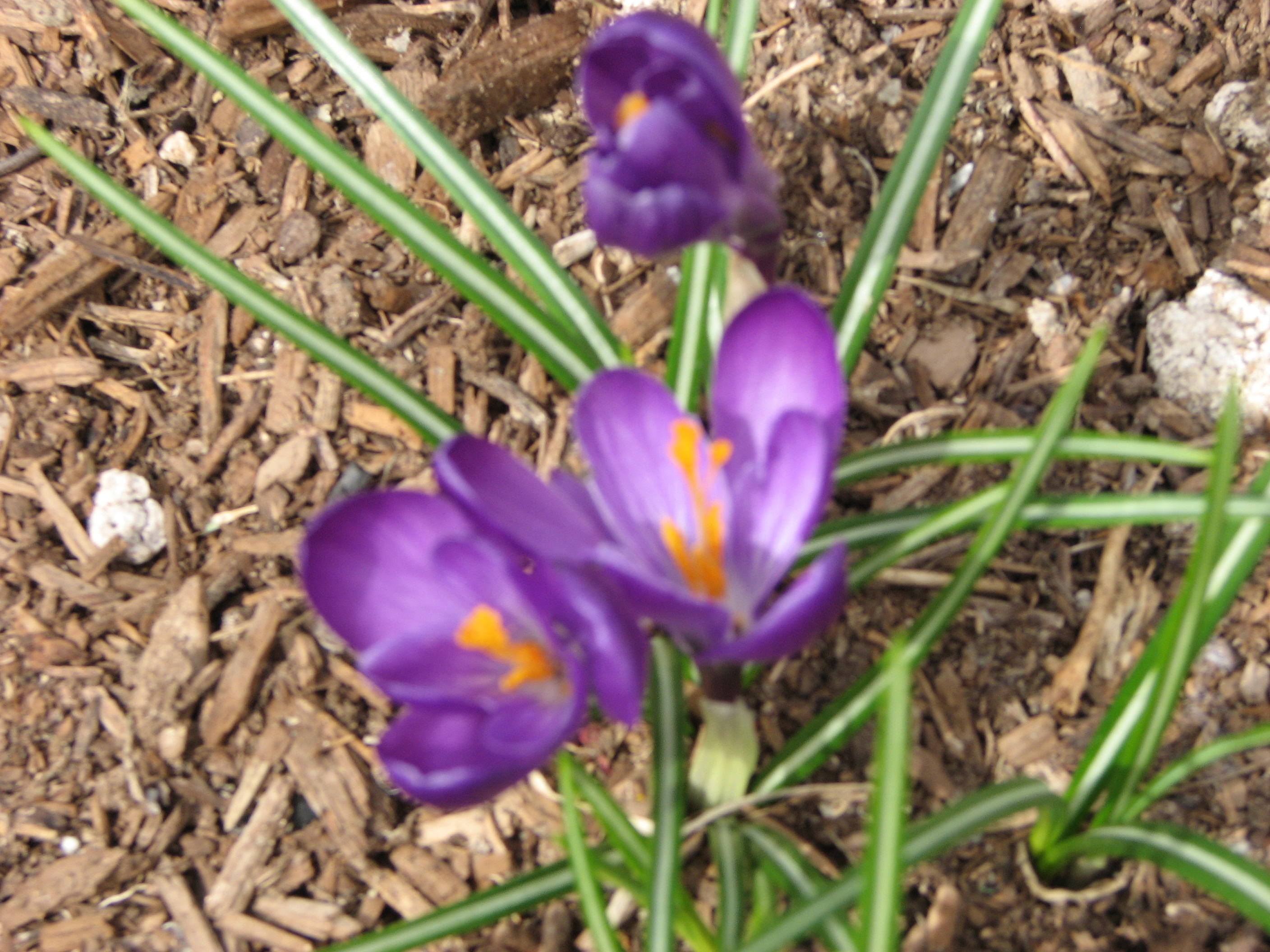
IMG_0496

Crocus are the fist to bloom!

Our long winters nap is over!  Although we still have those cold blistery winds, freezing temperatures, it’s time to start our spring garden chores.  The blank garden beds are starting to be amended, bulbs poking through the ground and plum tree buds are starting to swell.  Some of our first chores are to clean out the perennial beds from fallen and blown in leaves from autumn, prune the roses and apply a layer of mulch to the barren soil.  Our garden beds are turned, but not before adding plenty of compost, greensand, phosphate, and nitrogen. Once the beds have been amended they are carefully leveled out to take on their inhabitants for the spring months.  Peas, lettuce, spinach, brassica crops, fava beans and plenty of other cold hardy spring crops are put in at this time.  Keeping them moist so seeds germinate is very important, especially when the winds so easily dry them out.  We are fortunate in our zone 8 to start our gardens earlier than other colder zones.  When that first robin bird sings his song, the spring fever hits.  Pruning of fruits trees and a heavy spraying of dormant oil should be done before buds break.  We always find several praying mantis eggs while pruning and these are removed and placed in a protected spot in the garden before being coating with the tree oil.

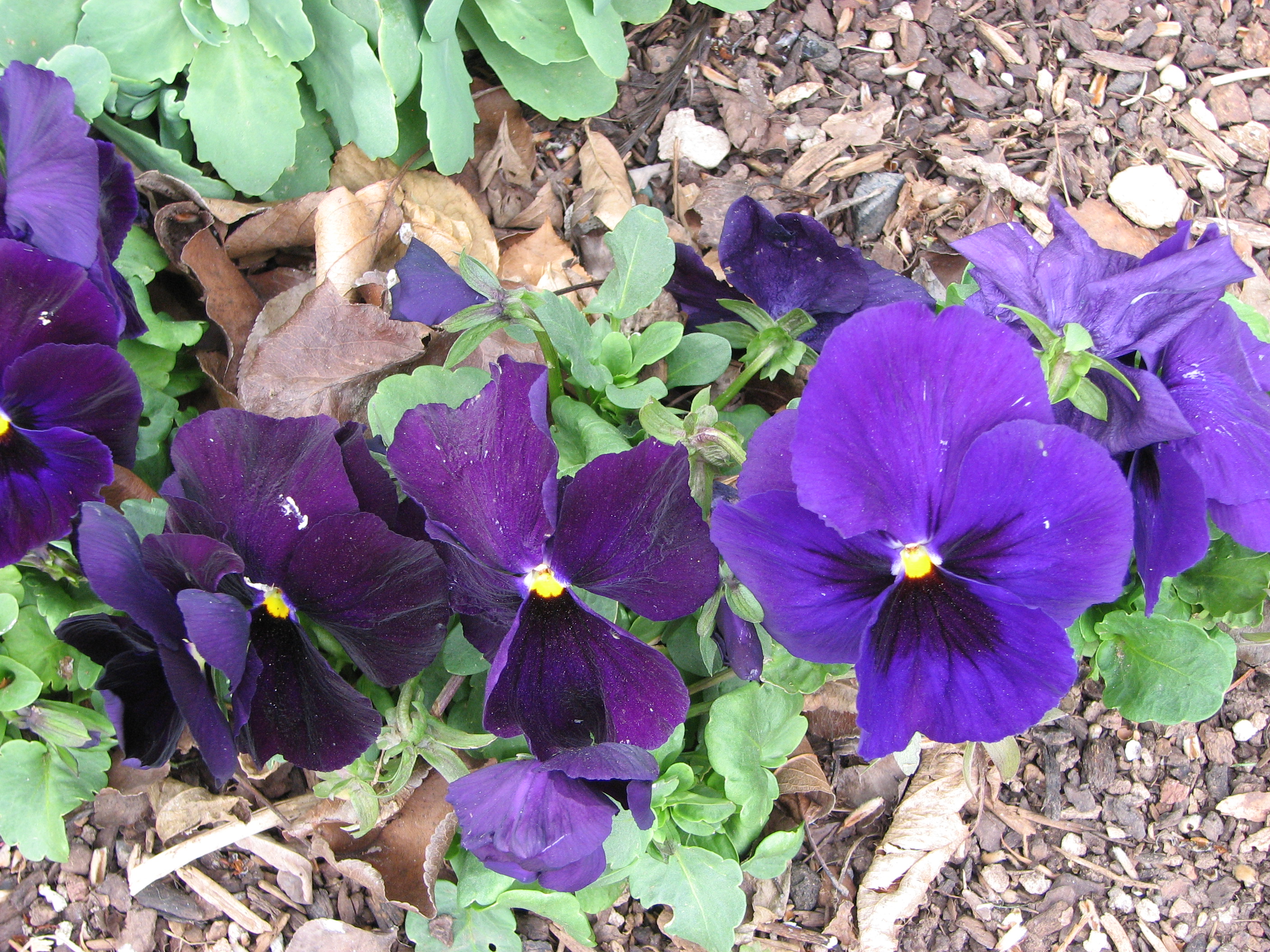
IMG_0498

Pop in some pansies around your flowering bulbs for more spring color!

It’s only a few weeks away before many of the spring bulbs begin to show color and so we always pop in some pansies for more color.  Once the roses begin to grow their bronze, tender spring leaves it’s time to give them a couple healthy handfuls of alfalfa meal to help them develop nice big blooms.  Be careful not to prune boxwood shrubs or other evergreen shrubbery to early in the freezing season or to late when its hot or they will burn.  We prune ours the end of February here.  When the forsythia blooms it’s time to apply pre-emergent  corn gluten to prevent weeds from germinating in established beds or lawns.  Not only will it keep weeds down but it will also give your plants a good spring feeding.

Our chickens love the days getting longer and begin to lay once again those beautiful shades of dark brown, tan, green and blue eggs.  They will scratch the earth and stretch out in the sun all day long until dusk when they return to the safety of their coop.  We couldn’t do our little farm without our chickens.  Their manure adds to the richness of the compost, the egg shells get planted around the rose bushes or with tomatoes at the time of planting and sometimes they get fed to the worms in the worm bins.  And once you have had a farm fresh egg you will never want a store bought again!  Besides, there is nothing more relaxing then watching these feathered friends running around the orchard doing what they do.

Today we will be planting onions around the perimeters of our raised beds, usually over five-hundred plants.  half of them being Walla Walla and others of red, yellow and white varieties.  I have always preferred the little plants over bulbs because they always do better, get bigger and I have less of them that get thick necks and go to seed rather then produce a bulb.  They will get a little extra nourishment from a side-dress of composted manure.  Always cut back some of the green tops and root system before transplanting.  This will help them get a better start!  They have a tendency to die back a little anyway, so why not hasten the process and let them get growing!

IMAG0670

Casper is a little poser!

And we can’t forget to report on Casper the Perfect Cat!  After having teeth issues last summer and now no teeth (outside of two for decoration purposes only) he has gained 3 whopping pounds!  Not all of us would be happy about that!   He is on a special soft food diet, but after his repeated attempts to sneak down, and I mean sneak, low to the ground and all, to the neighbors to get his fix of hard food we now have to give him what he demands!  Hard Purina cat chow!

Corn Gluten,  Phosphate, Nitrogen, Alfalfa Meal Greensand

Leave a comment

Filed under Casper the Cat, Gardening, Life on the Farm

Herbs for Goats

12 hour old baby Nubian Goat

12 hour old baby Nubian Goat

As as a child or young married adult I never dreamed I would have a backyard that was a home for Nubian goats.  After acquiring chickens, rabbits and ducks, I thought why not expand and get a few milk does.  They are not only a total joy to watch from my kitchen window, but they were great for my kids, a healthier choice of dairy products and quit frankly a great little companion.   After raising goats for over 20 years there are a few things I would not be without for my dear little hairy friends.  While it is essential for goats to have great food and roughage in their diet such as twigs, branches and bark that they would naturally get in the wild (ours get  multiple tree clippings from the orchard) I have always felt it is important to have a few herbs on hand.  Some for general health and some for those unexpected emergencies.

Top on the list would have to be ‘Slippery Elm’.  Slippery Elm has been used for centuries to treat a wide variety of ailments for animals and even humans.  It coats the goats fragile digestive tract and acts as a dual purpose herb treating both diarrhea and constipation.  Most goats will eat it willingly, but others may need a little help from a friend!  2 tsp is the average dose for adults and 1 tsp for kids (that would be goat kids!).  Sprinkle over their daily ration or you can dilute it with water and use a syringe to dispense to the back of the goats tongue until she has swallowed the entire dose. Tip: Once you have diluted the slippery elm it will set up quickly, so mix just before dispensing.

Garlic would be also be a must have for my goats.  Garlic is a natural wormer, not to mention all of its health benefits.  Pure garlic powder is fine, but fresh garlic is the best.  It’s so much more potent and beneficial than a dry form.  Feed them the peels and all.  You will notice that at times goats will gobble the cloves up and other times they turn their noses up!  They know what they need.  I toss a clove in their grain at milking time (once a day), this way the ‘garlic’ taste won’t come out in the milk because it have 12 hours to mellow before the next milking.  It has been used for clearing up blood in the milk, by cleansing the blood stream, treating fevers, increasing fertility, it’s an antibacterial, anti-fungal and is excellent for diseases of the nose, throat and intestine. Crushed garlic disinfects sores and wounds along with parasitical infections when used externally as a poultice.  Garlic is almost like a heal-all.

Raspberry leaves, the mother herb.  Goats love raspberry leaves!  I grow a big row of raspberries right near the barn just for my goats (plus a little nibble of fresh berries for us).  Raspberry leaves should be fed to female goats just before, during and right after pregnancy while increasing the amount (up to two handfuls) of leaves the second half of pregnancy.  Raspberry leaves are important to the female reproduction organs.  They are cleansing and improve the conditions during pregnancy, ensure healthy birthing and the ex-spell of afterbirth.  During birth, and to bring down delayed afterbirth, make a strong brew of two handfuls of leaves to one pint water, with two spoonfuls of honey.  Give a cupful of the brew frequently.  I have never seen a goat pass up raspberry leaves, but be sure they are disease free!

Marshmallow Root is not near as important as the other three herbs above, but it is useful for increasing milk production.  1 Tablespoon mixed in the girls grain at milking time can increase your production by 10%.

Olive Leaf is another great herb to have on hand because of its antiviral and antibacterial properties.

Wood Sage is useful to treat mastitis.  Two handfuls of raw wood sage feed daily to treat.  Massaging the udder will also help.

Comfrey (known at knitbone) was a mainstay for one of my goats years ago.  Every time after birthing,  she would develop a lame leg.  She always had four kids.  We feed her fresh comfrey leaves.  Once she started to walk with ease she would no longer eat the comfrey.  Comfrey Root is stronger and keeps well through the winter months while the comfrey plant goes dormant.  Another good herb to grow and have on hand!

An ounce of prevention…..Grow an herb garden

Some goats are just stubborn…Ha, a goat stubborn, who ever heard of such a thing?  Getting them to eat certain herbs can just seem impossible, but when goats are raised up eating a variety of herbs while they are young they have a tendency to enjoy them as adults.  Hum, kinda like humans!  I have always tossed herbs that have been trimmed from the herb beds such as thyme,

comfrey, marjoram, sage, germander and even lavender.  Goats are very intelligent creatures.  When left out in the fields they will find herbs or plants that their bodies needs and graze.  When I toss herbs into their pin, it is interesting to watch each of them devour certain herbs at times and then totally leave that same herb alone the next.

Herbal Wormer Recipe for Goats

Ingredients:

  • Wormwood (Artemisia absinthium): 2 tablespoons (dried, ground)
    • Effective against internal parasites but should be used with care, as it can be toxic in large amounts. Limit usage to 2-3 days at a time, followed by a break.
  • Black Walnut Hull Powder: 2 tablespoons
    • Known for its anti-parasitic properties.
  • Garlic Powder: 1 tablespoon
    • A natural dewormer and immune booster.
  • Diatomaceous Earth (Food Grade): 2 tablespoons
    • Helps with internal parasites by creating a hostile environment in the gut.
  • Clove Powder: 1 teaspoon
    • Has antiparasitic properties and is often used to target parasite eggs.
  • Fennel Seed (ground): 1 tablespoon
    • Helps expel parasites and soothes the digestive tract.
  • Thyme (ground): 1 tablespoon
    • Also aids in expelling parasites and supports digestive health.

Instructions:

  1. Mix all ingredients in a bowl until well combined.
  2. Dosage:
    • For adult goats, give 1 tablespoon of the mixture per 100 pounds of body weight.
    • For kids, you can reduce the dosage proportionately, offering ½ tablespoon per 50 pounds.
  3. Frequency: Administer the herbal wormer once daily for 2-3 consecutive days. Repeat monthly, or more frequently if needed, based on fecal test results.

Method of Administration:

  • You can mix the herbal blend with a little molasses or honey to make it more palatable, or simply sprinkle it on top of their grain.

Important Notes:

  • Wormwood caution: Avoid long-term use of wormwood, and do not use in pregnant or lactating goats due to its potential toxicity. Follow with a break of at least two weeks between treatments.
  • Monitor Fecal Counts: Always monitor the effectiveness of herbal dewormers by performing regular fecal egg counts with your vet.

This herbal blend is great for maintenance, but it’s always good to have conventional wormers on hand in case of a heavy parasite load.

6 Comments

Filed under Gardening, Goats, Herbs, Life on the Farm

Kelp and Its Many Uses

Kelp is derived from sea plants and is completely sustainable.  It grows quickly in the oceans along the shores.  Kelp comes in a liquid, powder or pellet form. Although kelp fertilizer contains only small amount of N, P, and K (highest in Potash) but adds valuable micronutrients, growth hormones (of course natural), and vitamins that help increase yields, improve soil structure, reduce plant stress from drought, and increase frost tolerance.  Kelp also increases resistance to pests and diseases.  It just simply makes plants healthier.  It can be applied directed into the soil or as a foliar spray.  All seaweed products are good for supplying major and micro-nutrients, but kelp seems to provide even more benefits over other seaweed products.  It supplies over 50 minerals. Kelp Meal is a perfect compliment to organic gardens, and is suitable for all crops.

A FEW KELP MEAL TIPS:

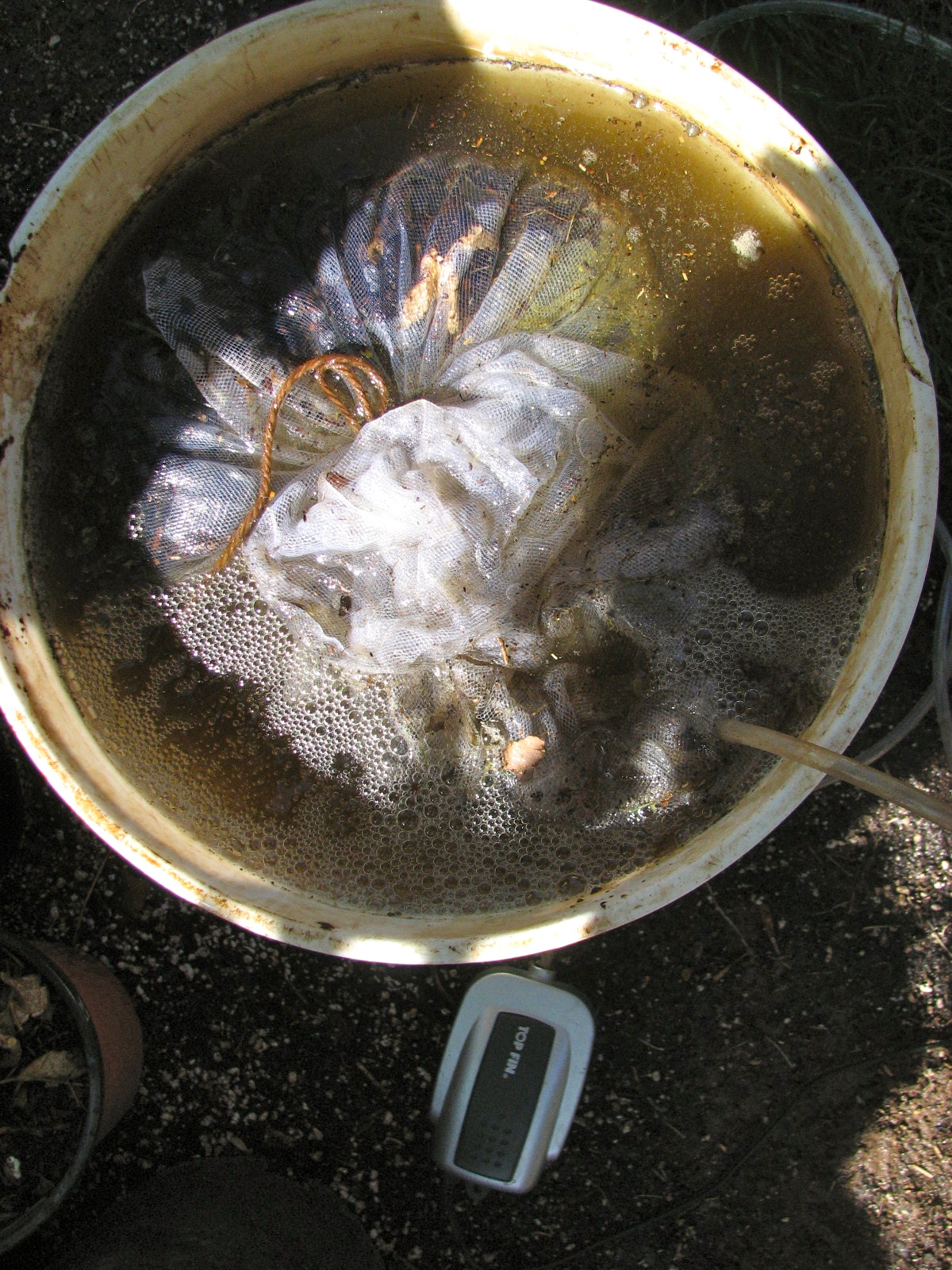
Easy kelp meal tea:  ¼ cup of kelp meal to 1-gallon water, let steep for 1-3 days and agitate daily.

Use kelp meal tea to drench plants before transplanting to help with transplant shock.

Use kelp meal tea as a soak for garlic 1 to 2 hours before planting.

Soak Asparagus Crowns in a kelp meal tea 1 hour before planting for healthier roots.

Sprinkle a small handful of kelp meal early in the growing season around and on the base of squash plants to help deter squash bugs.  Do this every 10 days where squash bugs are a problem.  You have to stick with it, but it really does work!

Use liquid kelp as a spray to increase yields by promoting bud formation, overall health, and to slow transpiration.  We sprayed out tomato plants this spring every 10 days and saw a BIG difference!

Use liquid kelp over dry kelp meal on stressed plants for quicker absorption and response.

Use liquid kelp as a foliar spray to help protect plants from cold and hot temperatures.  I personally think it coats the plant!

For vegetable gardens and flowerbeds Apply Kelp Meal at 1-2 pounds per 100 square foot and mix into the top 3” of soil.  For transplants, add 1 teaspoon per hole and mix with soil and water in.  To feed established plants, side dress 1-2 teaspoons per plant 1-2 times throughout the growing season to promote plant growth.  For container and houseplants: for new plantings, mix ¼ lb. per cubit foot of soil.  For established plants, side dress 1-2 teaspoons per gallon of soil 1-2 throughout the growing season to promote plant growth.

I have use Kelp Meal for years in my garden and I would have to say Kelp Meal is indispensable in my garden!

Garden Kelp Meal

Dry Kelp Meal

Leave a comment

Filed under Garden Bugs, Gardening

Ginger Root

While visiting Hawaii while my son played violin, or fiddle as he would prefer, with a group of violinist performers at several locations I had the opportunity to visit a botanical garden and acquired two healthy roots (along with multitudes of tropical seeds)

Blue Ginger Flower

that would become residents in my greenhouse, grow, bloom and be harvested. While Ginger is a tropical plant I have found I can grow it in a pot quit easily and harvest beautiful roots, propagate and have a fresh healthy addition to our morning carrot juice ritual.  I have tried growing it outdoors, directly in the garden from ginger root pieces  I ordered or got from the grocery store without luck. Of course,  many times the grocery store ginger has been gassed to make it last longer and delay sprouting.  Granted, I am now a better disciplined (I water better) gardener these days, but I feel like growing in pots is the way to go in our zone 8.  I can sum what control the growing environment, protecting it from the freezing temperatures during the winter and the summers scalding hot rays.

Ginger has creeping, branched rhizomes growing near the surface, with pale yellow flesh beneath a thin, buff colored to dark brown skin that looks like knobby fingers and are often referred to as “hands”. The stems can grow up to 4 foot tall. They flower twice a year in my greenhouse. I have two varieties, one is a Blue Ginger which has a beautiful blue bloom and the traditional white flint ginger. It is said that the flowers are short-lived, but my Blue variety will bloom for a couple of months.  Many times when we take things out of their natural growing environment, they tend to ‘go against’ what they are suppose to do.

If you can get your hands on a ginger rhizome, plant it in a 5 gallon pot, just below the surface, water and give a dose of liquid fertilizer. You can grow outside during the frost-free months and bring in your pots during the winter months. Keep in a south window. However, it will do much better in a heated greenhouse where the humidity is high. Feed with a liquid fertilizer every three weeks during the growing season. Generally this would be from spring to fall. Once your root really starts to take off and the rhizome grows, which is about 7 months after planting, harvest can start if your ginger plant is happy. Rhizomes are best when harvested in the fall. Lift rhizomes carefully, take the outside pieces and leave the main ‘center’ root to continue growing and producing the following fall. Fresh ‘root’ can be stored in the refrigerator for several weeks wrapped in a breathable vegetable bag.

Ginger has been used for centuries for many medicinal qualities from travel sickness to gout to stimulating circulation.  When I was a little kid I remember my grandmother always buying me ginger-ale to simmer a stomach ache. You can make a healthier drink without the carbonation with fresh ginger root. Take about three pieces of fresh ginger the size of your thumb, chopped and put into a tea strainer or cheese cloth tied up tossed into 3 cups of boiling water. Let steep for 5 minutes. Add honey and lemon to taste. This is also good to drink before traveling to calm motion sickness.

Liquid Fertilizer

1 Comment

Filed under Gardening