Author Archives: Ali

Ali's avatar

About Ali

Gardening is a peaceful place for me. I have loved it since I was a very young child. I want to share with you my journey in my small half acre lot in the middle of our city what you can achieve, such as gowing a garden, orcharding, caring for bees, goats and poultry. Going back to the simple life. Using what you have to the best of your ability.

Farmers Markets


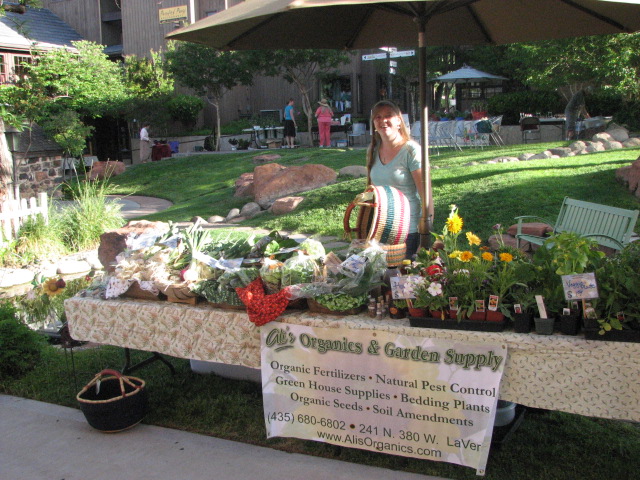
Farmers’ markets are one of the oldest forms of direct marketing by small farms.  Initially, people would farm the land simply to provide food for themselves and families, but eventually farming grew more intensive and farmers’ markets were born.  Over time farmers’ markets saw a decline in popularity due to urbanisation and newer, larger farming techniques with the advent of supermarkets, people grew used to purchasing their produce prepackaged and lost interest, in general, with fresh food.  The public seemed to no longer worry about seasonality with the advances of worldwide transport and the use of chemicals and preservatives.  We seem to be turning a new leaf once again.  We now, or should be concerned with where our food comes from.  Farmers’ markets are on the rise again.  I am sure this is mostly due to the growing consumer interests in obtaining “fresh” produce directly from the farm, again.  Isn’t it interesting how we seem to go through trends over and over again.  Farmers’ markets allow consumers to have access to locally grown, farm fresh produce and more and more organically grown.  Local farmers’ markets are a great place to promote community relationships between the growers and the buyers.  If you have abundant amounts of produce you might consider participating in your local market.  Most markets can be easily joined and the cost is very minimal.  I have paid only $5 per market for the last four years at my local markets.  You can’t complain at that. You can contact your Cooperative Extensive Service for more information on farmers’ markets in your area. 
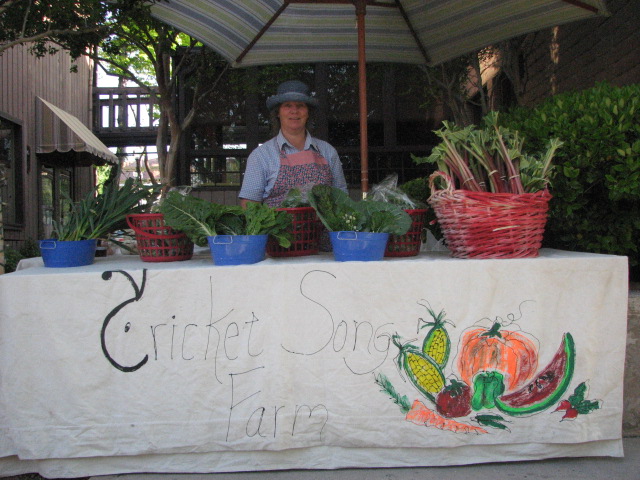
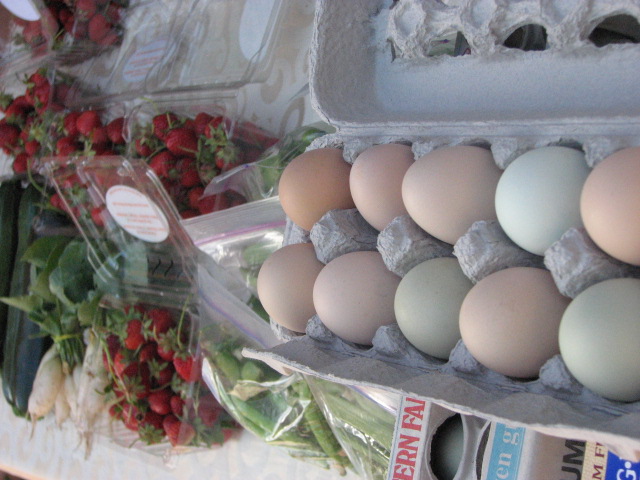
If you participate make sure to harvest your produce as close to the market as possible and check with your markets organizer for any regulations.  Supporting your local farmers’ market is so important for your community either by being a vendor or a customer.  We love our local gardeners/farmers and we want to make sure they will be able to provide for us, when we don’t produce our own, so we don’t have to rely on produce from out of the country. 

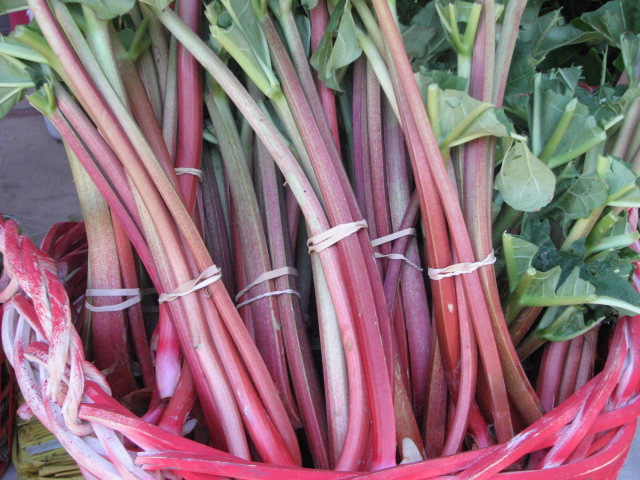
If you have never been to a farmers’ market you might be surprised at the variety of produce you find weekly and seasonally.  Be sure to bring plenty of small bills and arrive early for the best selection.  You might just find a new Saturday activity to enjoy that’s healthy for you too!
1 Comment

Filed under Community

Making Compost

Compost is a beautiful thing for gardeners!

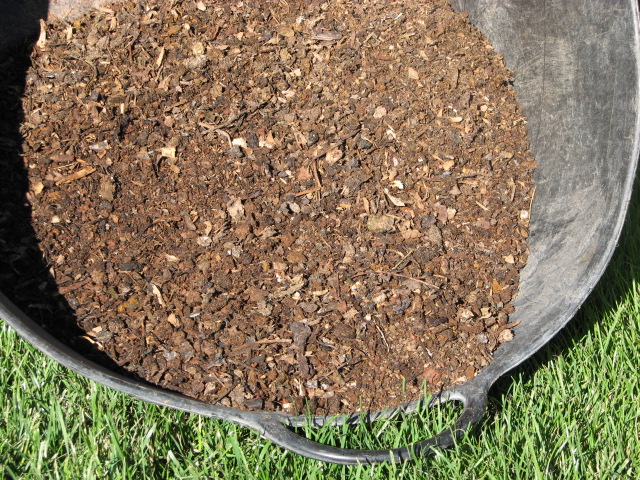
If I could only put one thing into my garden it would be compost.  I have been composting for twenty years now.  When I first started to garden I would just simply put the plants into the soil and expect them to grow.  My gardens have since improved dramatically thanks to compost.  When people come to me and ask what they should do to get their garden going I always say ” compost, compost, compost”.  I think it is the first step!  Composting can be as simple, or as complicating as you make it.  I like to compost everything.  Whereas some like to add manures into the garden without composting, I will compost it first.  I feel this way I still get the benefits of the manure without it robbing the soil of nitrogen and it also kills weed seeds that I would rather not deal with later.  Composting choices are numerous, ranging from worm composting to what I call “dump and run”.  Pick a spot in your yard for your compost pile, ideally near your garden for easier access and where the sun hits it for most of the day.  You can just simply build a pile right on the ground with nothing around it, or you could use pallets, a wire fence enclosure or something of the sort to encase it for a more tidy look.   I don’t like to make composting rocket science.  For one, I don’t have the time, and two I’m not a rocket scientist!  What I have available at the time is what I use.  Water near by is a must because if it’s not…..well, we have a tendency to neglect giving our compost heaps enough water that it requires and if we have to drag a bucket it probably won’t get done.  At least that would be in my case!  One thing to get out-of-the-way and I can’t stress enough!  DO NOT use synthetic fertilizers (chemical) to heat up your pile!  Compost is made when billions of microbes  digest the waste you provide for them.  Think about it.  Would you eat a cup of synthetic fertilizer?  Of course not, because it would be lethal.  Yes, it will decompose with synthetic fertilizer, but I prefer not to add such things that will go in the garden and then my body.  Carbon, Water and nitrogen are the key ingredients.  I like to have bare earth beneath my compost to allow worms and other organisms to get into the pile.  For better drainage you can add straw or twigs for the first bottom layer.  Start layering greens (nitrogen) and browns (carbon).  Like I said I use what I have.  If I have loads of fresh grass clipping I don’t add much water, because there is enough moisture.   Add kitchen scrapes, leaves, garden waste or wood chips for layers.  When adding a new layer I like to add a handful of blood meal and bone meal.  Every layer gets a little stir. Your compost needs to be moist, not soggy to break down.  Like a wrung out sponge.  I cover my pile with burlap to help keep the moisture and heat in.  You can turn your pile every few days, every few weeks or just let it sit and rot.   The moral of the story is-everything rots.  The hotter the pile the faster it will decompose.   Chopping or shredding your materials also helps speed things up.  Water occasionally.  Nitrogen materials consist of:  grass clippings, kitchen waste, coffee grounds, eggshells and chicken manure.  Carbon materials:  dried plants, straw, newsprint, cardboard, dryer lint and wood chips.  Things you shouldn’t compost:  meat, bones, milk products, diseased plants, weeds with seed heads, walnut leaves and roots from pernicious weeds.  Some people add wood ashes and that’s okay if your soil pH is low (acid).  I don’t because our area has a high alkaline count.  If your compost is soggy and/or stinky, turn the pile to aerate and you can add some dry peat moss to tame it.  Things that I keep near my compost pile:  Pitch fork for turning, blood and bone meal, machete for chopping,  compost thermometer and burlap.   An unknown author once said; You know you’re a real gardener when you think compost is a fascinating subject.

4 Comments

Filed under Compost, Gardening

Casper and the Little White Pots

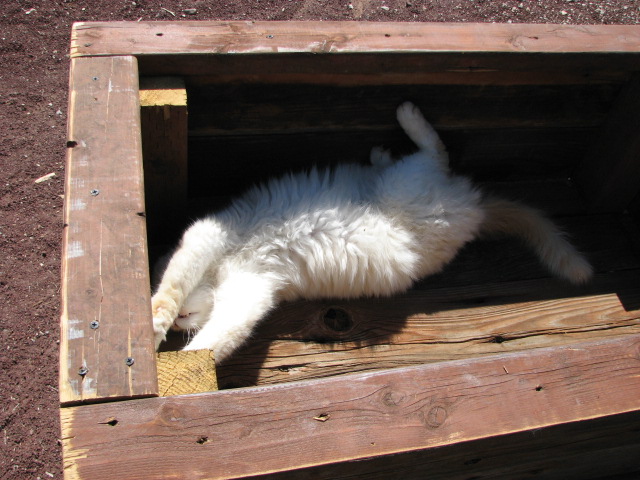
Casper feeling his oats for a few moments in time!Several people have come to the garden this week asking about Casper.  Where he is and what he is doing.  Not far off I can point him out,  on the patio table, in the flower-pot, in the goat manger.   This loveable, lazy creature has touched many people’s heart.  Some days when feeling his oats (not often) you know he has been into something.  At my cottage retail store I have multiple herbs for sale.   A few months ago I was experiencing problems with the lemon catnip being drug all over the place.  Mind you!  Not just a few feet away, but I would find the little root balls from the front of the store to the back, to the orchard and other various places.  I know cats like catnip, but really!  dragging it all over the yard.  These poor little plants were mutilated to the point of no return.  Casper does have his own catnip garden but he prefers the little white potted lemon catnip plants!  When getting in several flats of new herbs today, I see Casper enjoying a new flavor!  Sweet Grass!  Soon after his indulgence he became frisky rolling around in the planter boxes for a few short moments before he fell fast asleep.

Leave a comment

Filed under Casper the Cat

Preserving Peas

Think back to the time when you were a kid and you and your mom would sit on the porch on an early summer evening, shelling peas for winter storage.  Okay, this never really happen in my life because the peas never made as far as the kitchen, but this is something that I think of as a past time from generations before.  Simple life, simple pleasures bring me happiness just by the thought of it.  I have, at times with my own children experienced something of the sort.  Of course most of the time peas were consumed by my kids and their cousins sitting in the pea patch for hours making simple talk, enjoying each other and the sunshine during early summer months.  When I could preserve peas I would never “can” them.  If all you have ever had is canned peas and you despise them, I can understand.  Truthfully I think canned peas don’t have any place on this planet!  Fresh is alway best, but come winter months and you just want a couple handfuls for your soup or pot pie, freezing them is the next best option.

A couple of steps will help you have success in preserving your bountiful harvest of shelling peas.

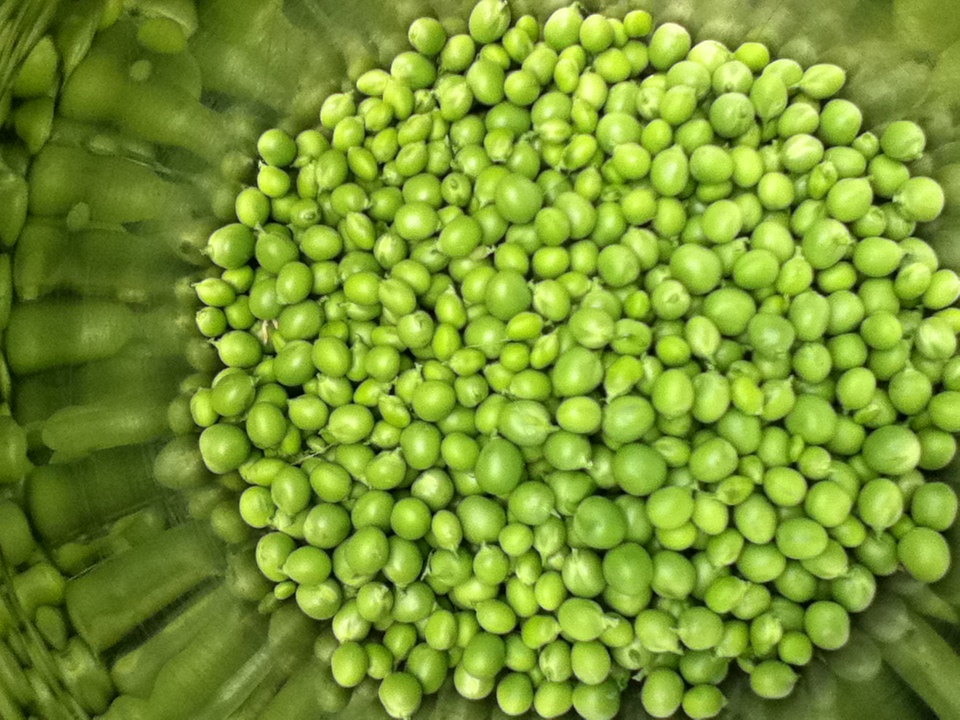
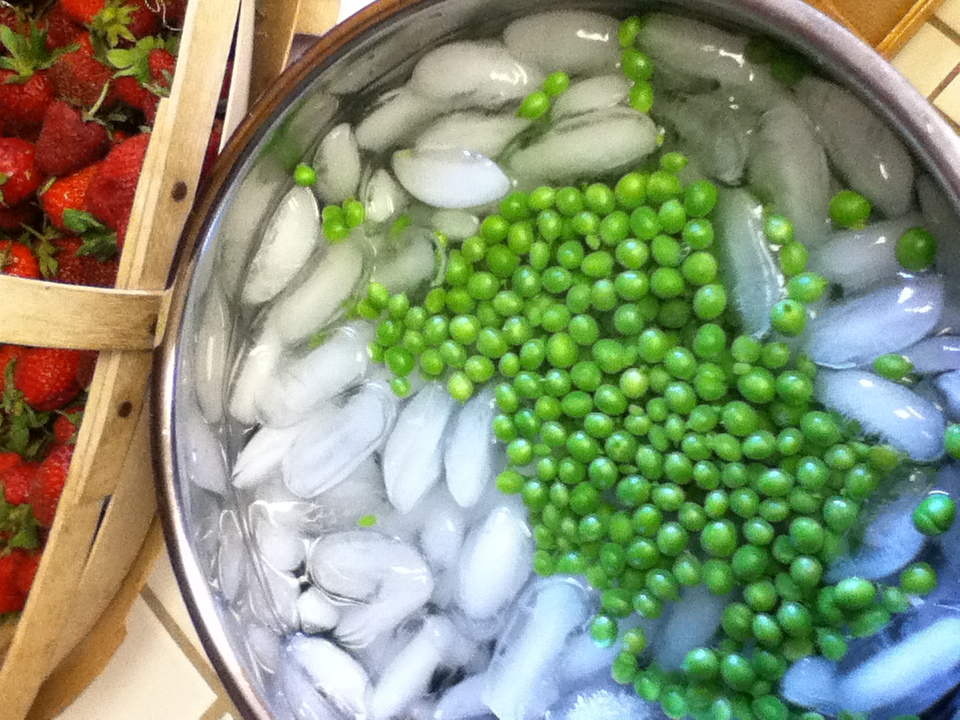
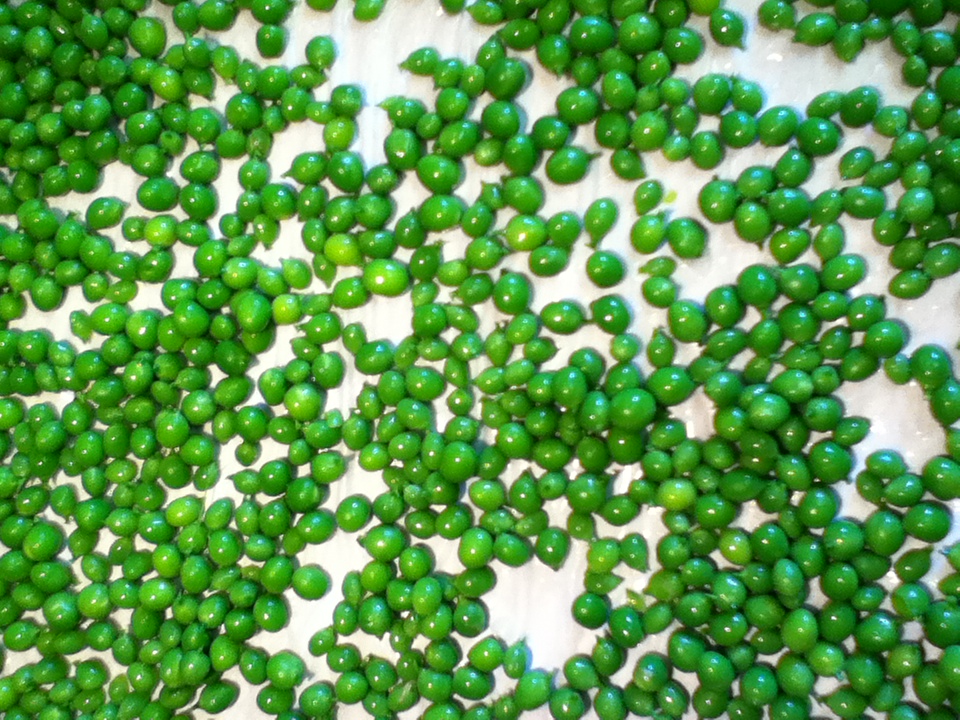
Pick peas early in the morning hours.  This is when they are  at their best and sweetest.  Rinse if they are dirty.  Shell simply by pressing your thumb into the seam and popping it open.  Get some water boiling for blanching. Peas (and other veggies) contain enzymes and bacteria that break down over time destroying nutrients and change the color, flavor, and texture of food during frozen storage. peas requires a brief heat treatment, called  blanching, which is done in boiling water to destroy the enzymes before freezing. Get another bowl with ice water ready for cooling the peas off quickly.   This stops the cooking process.  Pour peas into boiling water and blanch for no more than 90 seconds.  Quickly drain (they smell so good)  into a colander and then immediately into the ice bath.  Let them stay in there for another 90 second.  Drain well.  I then put them on a baking sheet covered with wax paper or parchment.  Spread them out so they don’t touch each other for the most part.  Freeze for 15 to 30 min.  This will make them easy to use so they aren’t in a big clump in a bag.  I use this method of freezing for most things that come from the garden.  I seal mine with a vacuum sealer.  Date and once again freeze.  Peas should be used within a year for freshest taste.  Enjoy!

1 Comment

Filed under Preserving